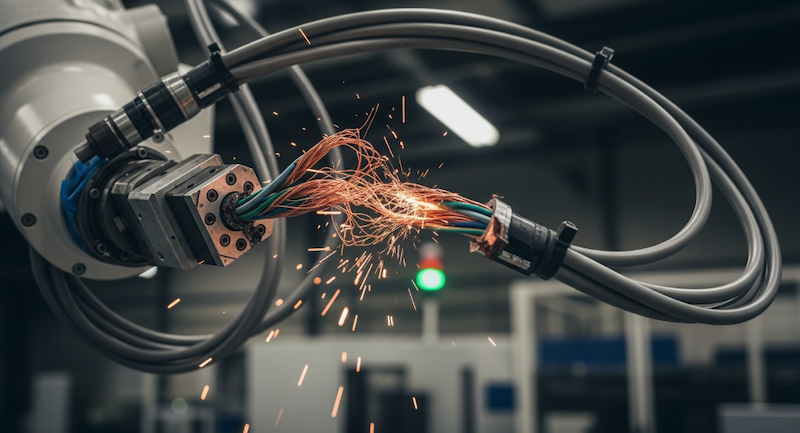
Robotic systems depend heavily on cables, which are essential for powering motors and ensuring smooth operations. However, these cables often face significant wear and tear during movement, leading to failures that can disrupt operations. Understanding how to minimize cable failures is vital for businesses relying on robotic arms, autonomous guided vehicles (AGVs), and humanoid robots.
Understanding the Causes of Cable Failures
Cables in robotic applications experience dynamic flexing, which differs from their usage in static installations. Each cycle of movement places stress on conductors and insulation. Over time, even high-quality cables can succumb to this strain if not designed for such conditions. The frequency of these cycles can reach thousands or even millions, making appropriate design crucial for longevity.
Choosing the Right Cable Design
To prevent cable failures, selecting cables specifically engineered for dynamic use is essential. Standard cables may not withstand the rigors of high-flex applications. Fine-stranded conductors are preferable as they enhance flexibility, enabling the cable to endure numerous bends without damage. Many specialized cables feature stranding classes of five or six or higher, catering to high-flex requirements.
The choice of insulation materials also impacts durability. Cables made from polyurethane (PUR) and thermal plastic elastomers (TPE) are more flexible and resilient compared to traditional PVC, resisting abrasion and maintaining their properties across a broad temperature range. Engaging with reputable Cable Assembly Manufacturers familiar with robotic applications can help businesses select or design cables tailored to their specific movement profiles and environmental conditions.
Ensuring Proper Cable Routing and Installation
Even the highest quality cables can fail if installed incorrectly. Proper routing is key to reducing stress on cables during movement. Installation techniques should ensure a consistent radius of bend, preventing tangling and minimizing contact with sharp surfaces. Adhering to minimum bend radius specifications is crucial; excessive bending during installation can compromise the cable’s internal structure.
Cables should be secured without overly tightening clamps or zip ties, as these can create stress points. Rather, cables should be treated like components of the robot that need space to move freely.
Focusing on Cable Construction
The internal construction of cables also affects their longevity. Quality manufacturers prioritize strain relief at connection points during wire harness production, where many failures occur. Rigid connectors can create weak points, necessitating the use of strain relief boots or molded connections to ensure durability.
Prioritizing Maintenance and Monitoring
Routine maintenance is crucial to detect issues before they escalate to failures. Regular inspections, especially in high-cycle environments, can prevent sudden outages. Many facilities do not realize their cables are failing until it is too late. Proactive checks allow for replacements during scheduled maintenance, avoiding costly emergency downtimes.
In critical applications, using cables with built-in monitoring capabilities or employing thermal imaging can help identify problematic hot spots indicative of electrical resistance. Advanced robotics may incorporate predictive maintenance software, tracking electrical properties and alerting operators to potential issues before they lead to failure.
Collaborating with Experienced Partners
Investing in high-quality cables is only one aspect of minimizing failures; it is equally important to understand specific application needs. Collaborating with qualified suppliers who specialize in industrial and robotic applications can provide invaluable insights. Companies such as WellPCB Spain employ engineering experts who can assess robot movement patterns and environmental factors to recommend optimal solutions.
Furthermore, these suppliers can assist in testing and verification processes, ensuring selected cables will meet required lifespans before scaling up implementation.
A Comprehensive Strategy for Success
There is no single solution to eliminate cable failures in moving robots. A combination of selecting appropriate cables, implementing intelligent routing and installation methods, ensuring manufacturing quality, and conducting regular maintenance can significantly reduce failures. By focusing on these elements, businesses can extend cable life, minimize downtime, and maintain efficient robotic operations.