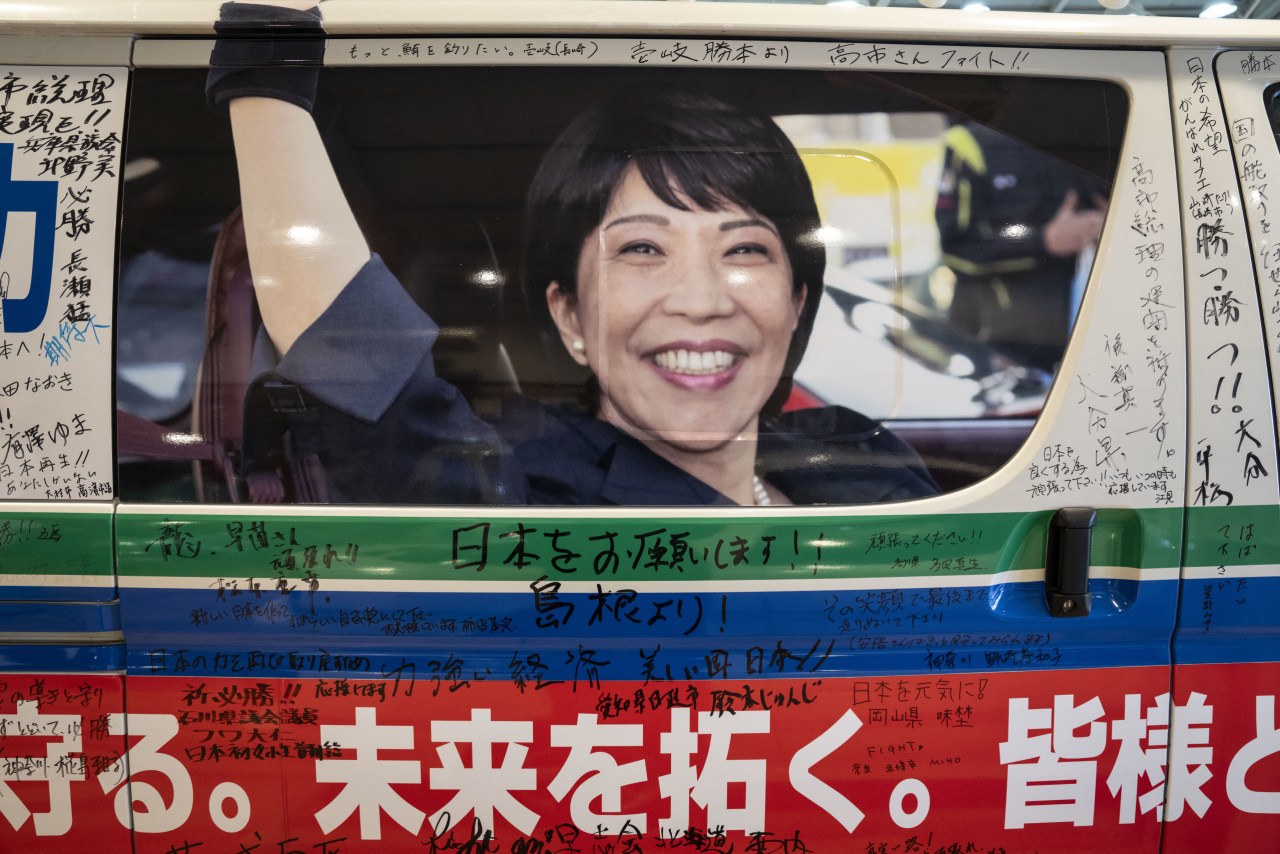
As Japan prepares for the upcoming general election in 2025, a noticeable trend is emerging: young voters are increasingly drawn to the country’s Conservative Prime Minister, Sanae Takaichi. Known for her dynamic presence and effective use of social media, Takaichi is capturing the attention of a demographic often perceived as disengaged from traditional political processes.
Takaichi, who serves as the Minister of Internal Affairs and Communications, has been leveraging platforms such as Twitter and Instagram to communicate directly with younger constituents. Her approach reflects a broader strategy that aims to bridge the gap between politics and the youth of Japan, who are increasingly influential in shaping electoral outcomes.
Connecting Through Social Media
The impact of social media on political engagement cannot be overstated. Takaichi’s savvy online presence enables her to present her policies and ideas in a relatable manner. She frequently shares personal stories and insights that resonate with younger voters, making her appear more accessible compared to traditional politicians. This strategy has not only raised her profile but has also fostered a sense of community among her supporters.
According to a recent survey conducted by the Tokyo University, approximately 65% of voters aged 18 to 29 are positively inclined toward Takaichi. This figure marks a significant shift in political allegiance, as younger voters have historically favored more progressive candidates. This changing landscape suggests that Takaichi’s efforts are paying off, particularly as she emphasizes issues that matter to the youth, such as job opportunities and climate change.
Policies That Resonate
Takaichi’s policy agenda includes initiatives aimed at addressing the economic concerns of young people, including affordable housing and employment support. Her emphasis on economic stability and growth aligns with the aspirations of many young voters who are entering the workforce amid a challenging job market.
Furthermore, her active stance on digital transformation and technology in governance has struck a chord with a generation that values innovation. By promoting the use of technology to improve government services, Takaichi appeals to the tech-savvy youth who seek to modernize Japan’s bureaucratic systems.
The Liberal Democratic Party (LDP), under Takaichi’s leadership, is also focusing on enhancing educational opportunities and supporting start-ups, which are crucial for inspiring entrepreneurial spirit among young people. As these policies gain traction, her popularity appears to be rising in tandem.
Despite her increasing appeal, Takaichi faces challenges. Some younger voters remain skeptical about the LDP’s long-standing dominance in Japanese politics. They express concerns over issues such as gender equality and climate action, which may lead them to seek alternatives if they feel their interests are not adequately represented.
To counteract this skepticism, Takaichi has publicly committed to addressing these critical issues. Her recent pledge to enhance gender representation within her party and the introduction of policies aimed at sustainable development demonstrate her willingness to evolve and adapt to the changing political climate.
As the 2025 Japanese General Election approaches, the significance of young voters cannot be understated. With their growing influence, Takaichi’s ability to connect with this demographic will be paramount in determining the outcome of the election.
In conclusion, Sanae Takaichi’s efforts to engage young voters through social media and relevant policies have positioned her as a formidable candidate in the upcoming election. Her focus on issues that resonate with the youth, combined with an innovative approach to communication, suggests that she is not just appealing to a younger audience but is also redefining how politicians interact with their constituents in Japan.