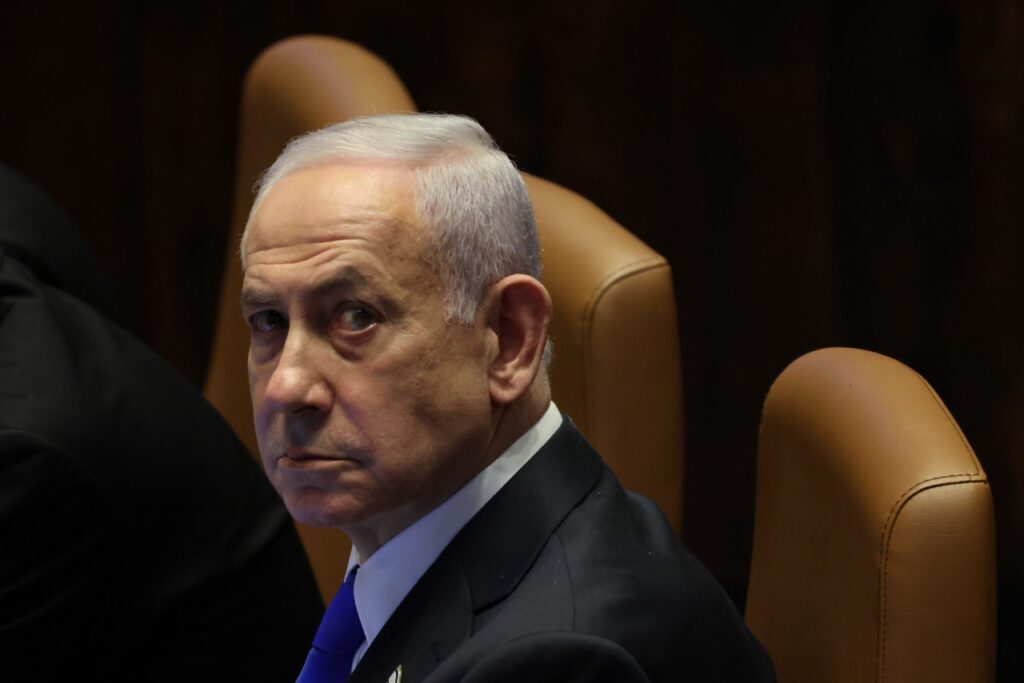
The White House has expressed strong disapproval of Israel’s recent airstrike that resulted in the death of a senior Hamas commander. This incident has raised tensions between allies at a critical time when efforts are underway to negotiate a ceasefire in Gaza.
President Donald Trump has reportedly voiced frustration that Israeli Prime Minister Benjamin Netanyahu is complicating U.S. initiatives to stabilize the region. According to sources within the U.S. administration, Trump believes that Netanyahu’s actions are undermining the proposed deal to halt the ongoing conflict and facilitate the reconstruction of Gaza.
Tensions between the U.S. and Israel have escalated since the airstrike on August 23, 2023, which targeted Hamas leader Mohammed Deif. This operation is seen by some U.S. officials as counterproductive to efforts aimed at achieving peace. They argue that the timing of such military actions could hinder diplomatic negotiations that aim to end hostilities and address humanitarian needs in Gaza.
In the wake of the airstrike, the White House issued a statement underscoring the importance of careful coordination with Israel. Officials emphasized that any military actions should align with broader goals of peace and stability in the region. The U.S. has consistently advocated for a two-state solution, where both Israelis and Palestinians can coexist peacefully.
Sources close to the negotiations indicate that the U.S. is particularly concerned about the humanitarian impact of the ongoing conflict. With thousands of civilians affected, the administration is urging Israel to consider the consequences of its military operations. The White House’s message to Israel serves as a reminder of the delicate balance between supporting an ally and advocating for humanitarian principles.
As discussions continue, it remains to be seen how this critical juncture will affect U.S.-Israel relations. Both leaders face considerable pressure, not only from their respective governments but also from the international community, to find a path forward that prioritizes peace.
The situation in Gaza remains fluid, and further developments are anticipated as diplomatic efforts intensify. The White House is expected to maintain its stance on the need for restraint and a focus on rebuilding efforts, while continuing its support for Israel’s right to defend itself against threats.
In summary, the recent airstrike and subsequent U.S. response highlight the complexities of international diplomacy in conflict zones. The dynamics between the White House and Israel will play a crucial role in shaping the future of peace negotiations and humanitarian efforts in Gaza.