As geopolitical tensions rise in the Arctic, Western militaries and innovative startups are addressing the unique challenges of operating in this harsh environment. The region’s extreme weather conditions and remote locations complicate military operations, particularly when it comes to utilizing technology such as drones and GPS systems.
Adapting to the Arctic Environment
Military experts emphasize the need for specialized equipment to navigate the Arctic’s unpredictable conditions. The challenges include rapidly changing weather, limited visibility, and the potential for GPS signal disruptions. According to a report from the *U.S. Department of Defense*, these issues could significantly hinder operational effectiveness in a conflict scenario.
In response, several companies are developing cutting-edge technology aimed at enhancing situational awareness and operational capabilities in the Arctic. For example, startups are designing drones that can withstand extreme temperatures and strong winds, allowing for more effective reconnaissance and supply missions. These drones also feature advanced navigation systems that can function even when traditional GPS signals are unreliable.
Strategic Importance of the Arctic
The Arctic has become increasingly important for military strategy, as nations vie for control over valuable resources and shipping routes. The melting ice caps are opening new paths for navigation, which could lead to increased military presence in the region. NATO has recognized this trend and is adapting its strategies accordingly, with joint exercises and increased surveillance operations.
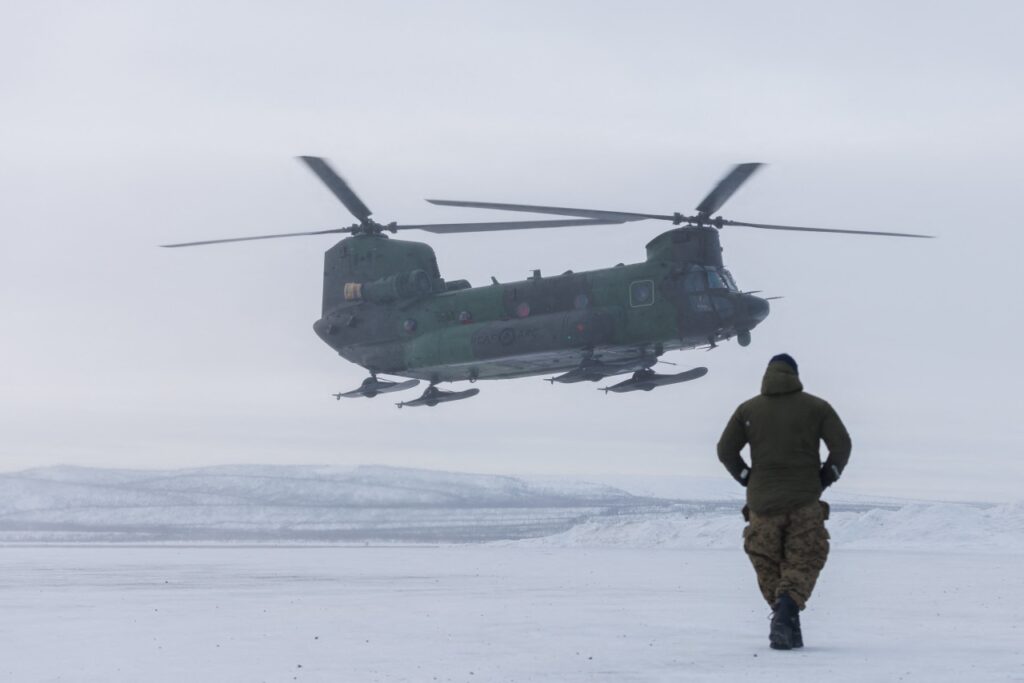
The *Canadian Armed Forces* have also intensified their focus on Arctic readiness, conducting training exercises designed to improve their operational capabilities in this challenging environment. In recent years, Canada has invested heavily in new equipment and technologies specifically tailored for Arctic operations, aiming to strengthen its sovereignty over the region.
As conflict risks grow, the collaboration between military forces and private sector innovators is crucial. By combining resources and expertise, they aim to create solutions that will enhance both safety and effectiveness in Arctic operations. The integration of advanced technologies will be vital as nations navigate the complexities of modern warfare in such a unique and demanding landscape.
Investment in Arctic defense technology is expected to increase, with estimates suggesting that the global market for military drones alone could reach $20 billion by 2025. This growth reflects a broader recognition of the need for specialized capabilities tailored to the Arctic’s distinct challenges.
The implications of these developments extend beyond military applications. Enhanced technology can also support scientific research and environmental monitoring in the region, contributing to a better understanding of Arctic ecosystems and climate change. As nations continue to explore the Arctic, the balance between security and preservation will be a critical consideration.
In summary, as tensions rise in the Arctic, the collaboration between Western militaries and innovative startups is essential for tackling the unique challenges posed by this region. With advancements in drone technology and navigation systems, these efforts aim to ensure that military operations can adapt to the rigors of the Arctic environment, maintaining security and stability in a vital area of global interest.