The Federal Aviation Administration (FAA) has imposed a temporary flight restriction in Texas airspace following an incident where a US military laser weapon mistakenly downed a Customs and Border Protection (CBP) drone. This event occurred when the military identified what it believed to be a potential threat, which turned out to be a drone operated by the CBP without prior notification to the Pentagon.
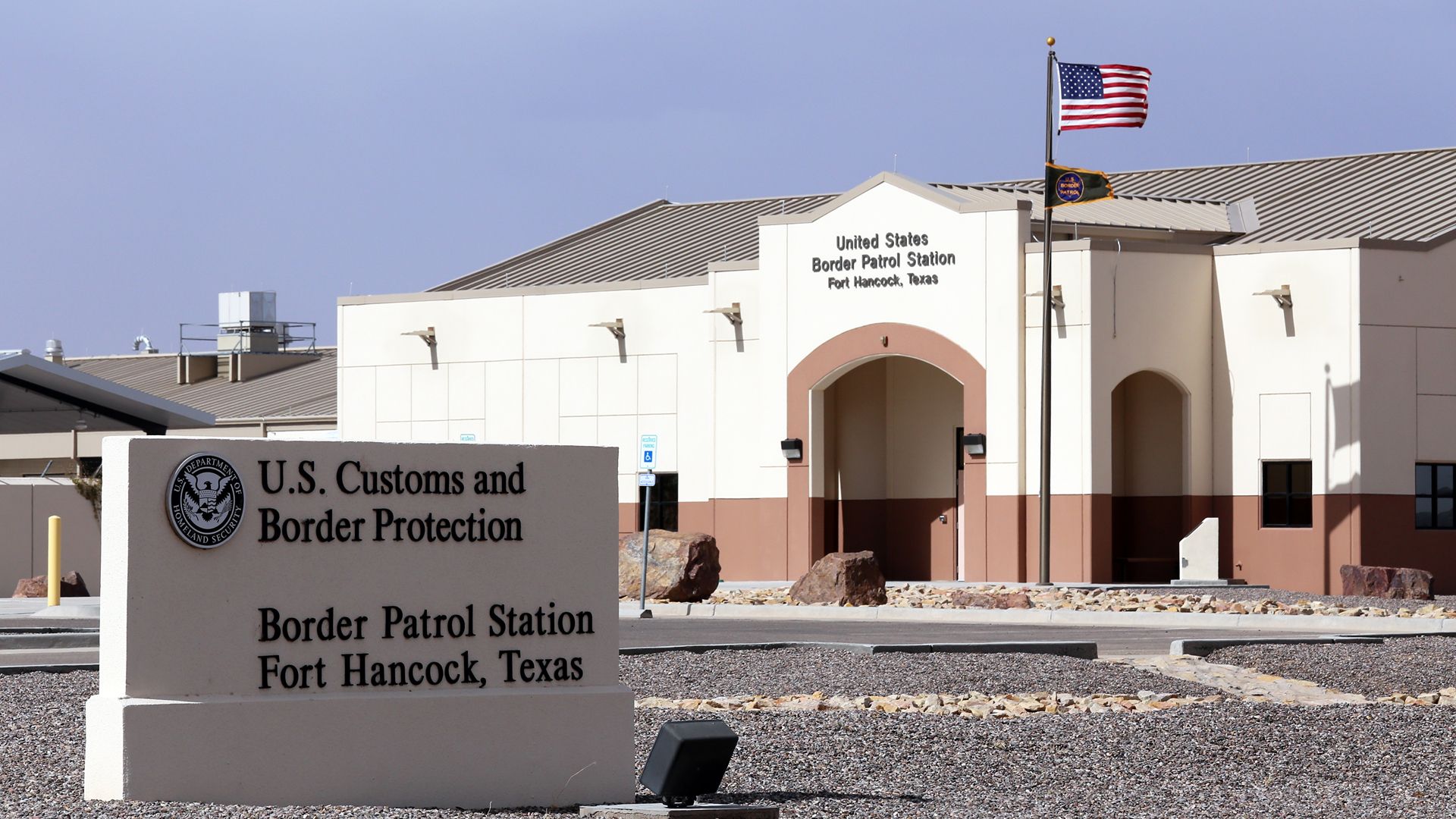
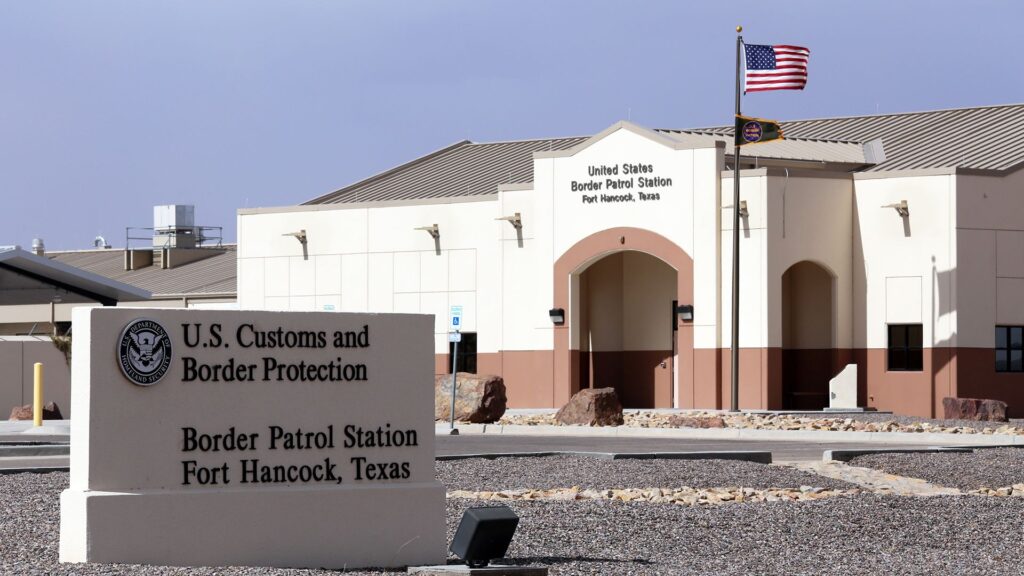
The incident unfolded near Fort Hancock, Texas, close to the US-Mexico border. According to reports, the CBP drone entered military airspace, prompting the military’s response to deploy its counter-drone laser system. This marks the second airspace shutdown in just two weeks, as the FAA had previously restricted air traffic around El Paso due to a similar deployment of the laser system.
In a joint statement released by the Pentagon, CBP, and FAA, officials confirmed that there were no commercial aircraft in the vicinity during the laser’s use. The agencies stated that the directed-energy weapon was employed in response to a “seemingly threatening unmanned aerial system” operating within military airspace. Following the incident, the FAA immediately closed airspace over Fort Hancock, issuing a Temporary Flight Restriction (TFR) for “special security reasons,” which is currently set to remain in effect until June 24, 2026.
The mishap is largely attributed to the CBP’s failure to communicate its drone operations to other relevant agencies. As a result, the military misclassified the drone as a potential threat, likely believing it was associated with drug cartel activities common in the area. The military utilized its LOCUST (Laser-Oriented Counter-UAS System), a counter-drone technology that has faced scrutiny for potential safety risks.
Concerns about the incident have been voiced by several lawmakers, including Rick Larsen, Bennie Thompson, and André Carson, who expressed their alarm and called for an investigation into the circumstances surrounding the drone shootdown. While there were no commercial flights in the area at the time, there are significant worries about the collateral damage that could arise from the use of such laser systems.
The FAA has indicated that it intends to restrict testing of the laser weapon until a thorough safety review can assess the risks posed to other aircraft. The region where the shootdown occurred is a known hotspot for cartel activities, particularly related to drug smuggling, with drones frequently being employed for these operations.
This incident follows a troubling pattern. Just two weeks earlier, the FAA briefly closed airspace around El Paso when the same laser weapon was used to target what was initially thought to be a cartel drone. This drone, however, was later identified as a metallic balloon. At that time, the FAA was caught off guard, leading to a hasty airspace shutdown that was reversed eight hours later as the situation clarified.
According to a recent report by Reuters, both the Pentagon and CBP have claimed they possess the authority to deploy the laser weapon without prior FAA approval. This has raised further questions about inter-agency communication and the protocols governing the use of such potentially hazardous technology.
The recent drone shootdown highlights the critical need for improved coordination between military and law enforcement agencies to prevent similar misunderstandings in the future. As the Pentagon, FAA, and CBP work towards this goal, the implications of the incident serve as a reminder of the complexities involved in managing airspace safety in regions with heightened operational risks.