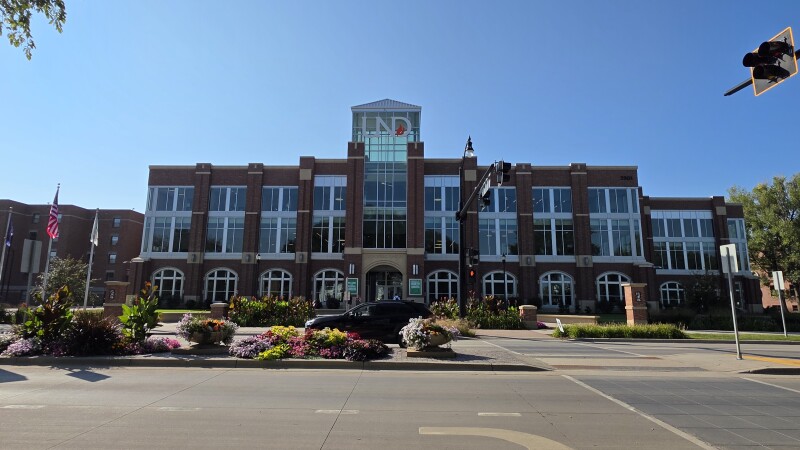
The University of North Dakota (UND) is taking significant steps towards data modernization to enhance the management and accessibility of its data resources. During the UND Senate’s monthly meeting on February 5, 2024, Madhavi Marasinghe, Associate Vice President and Chief Information Officer of University IT, outlined the initiative’s objectives. The aim is to ensure that the university’s data is utilized effectively, fostering better decision-making across various departments.
Marasinghe emphasized the importance of reliable data, stating, “The mission is to empower the university for decision making, but making sure that we can rely on our data and it’s accessible to our people as well.” This modernization effort is designed to transform how data is collected, secured, integrated, analyzed, and utilized on campus, creating a robust framework for data governance.
Framework for Effective Data Governance
The proposed data governance framework will establish clear ownership of data, set standards for its collection, and ensure responsible use and storage. Marasinghe pointed out that effective governance is crucial for leveraging artificial intelligence, which heavily relies on quality data.
Matt Berosik, Chief Data Officer for University Analytics and Planning, joined Marasinghe in discussing the initiative. He clarified that while the term “governance” may evoke concerns about bureaucracy, the intention is not to restrict data owners. Instead, Berosik stated, “The data owners are still going to be the owners. They’re still going to have the final say in terms of how their data is used and collected.” This approach aims to empower data owners, allowing them to operate within a unified framework that aligns with the university’s broader data vision.
The initial steps towards implementing this data governance framework began with a workshop conducted in April 2023, in collaboration with a third-party company. The workshop facilitated discussions on how to effectively structure data governance at UND.
Additional Developments from the UND Senate Meeting
In addition to the data modernization initiative, the UND Senate addressed several other important matters. The Curriculum Committee reported on program inactivations, including certificates in health and wellness coaching and instructional design in technology. Furthermore, the senate announced the termination of several programs, such as certificates in communication sciences and disorders and a Master of Arts in geology. On a positive note, five new programs were introduced, including two certificates in K-12 principal and superintendent roles, along with three aerospace engineering programs.
The Academic Policies and Admissions report for the 2024-2025 academic year was also reviewed, highlighting ongoing discussions regarding UND’s academic honors policy. The Community Engagement and Opportunity report detailed activities such as monitoring legislation and engaging with organizations on relevant issues.
Vice Provost Eric Link informed the senate that the State Board of Higher Education has approved new versions of Policy 409 and Policy 409.1, granting multiple institutions the authority to pilot programs offering reduced credit Bachelor of Applied Science degrees. This marks a significant change for UND, which previously lacked the authority to offer such degrees.
Senate Chair Adam Matz discussed proposed bylaw revisions concerning UND Senate memberships and committees, aiming to clarify existing language. These revisions will be voted on in the upcoming meeting. Additionally, Vice Provost for Faculty Affairs Randi Tanglen introduced the potential expansion of Follett access programs, which automatically bill students for course materials.
Lastly, UND Student Body President Jonathan Blankenship reported that the Student Senate passed a resolution aimed at enhancing accessibility to the University Counseling Center for students. Another resolution was passed regarding the upcoming Student Government elections scheduled for April 15, 2024.
Through these efforts, UND is positioning itself to not only improve data governance but also to enhance the overall academic experience for its students and faculty. The university’s commitment to modernization reflects a proactive approach to adapting to the evolving landscape of higher education.