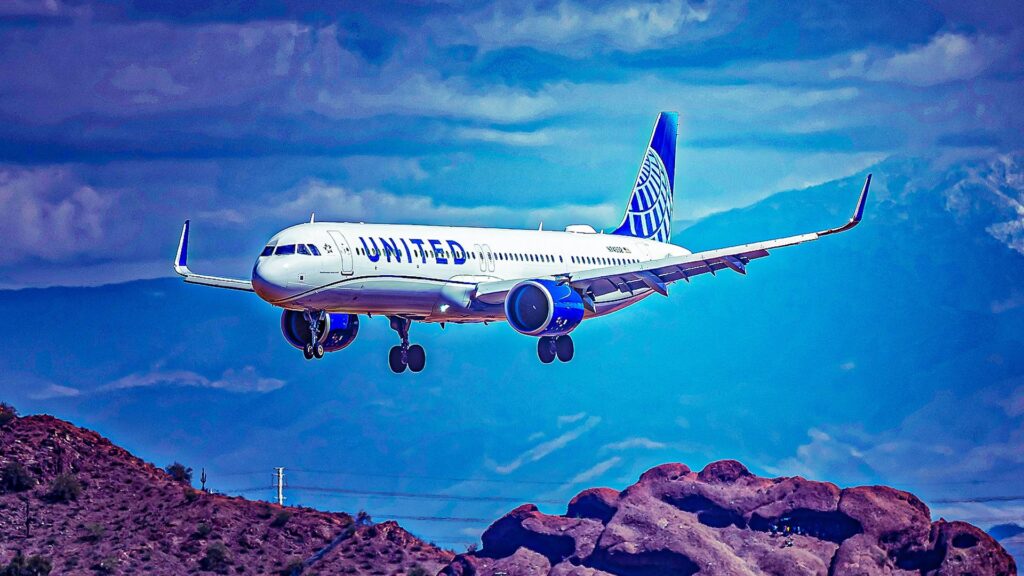
Brazil’s antitrust regulator, CADE, has approved United Airlines’ plan to invest $100 million in Azul Linhas Aereas, a Brazilian airline undergoing bankruptcy proceedings. This investment will increase United’s economic stake in Azul from approximately 2% to 8%. The decision comes as Azul continues its restructuring efforts, having recently received approval from a U.S. court to reduce its debt by more than $2 billion.
The investment by United Airlines, which has held a minority position in Azul for over a decade, aims to strengthen their business relationship. United’s presence in Azul allows its customers to access a broad network of Brazilian destinations, while Azul benefits from United’s extensive international routes. The airline is currently the third-largest in Brazil, operating about 150 destinations and a fleet of over 170 aircraft.
Regulatory Approval and Market Impact
CADE’s endorsement of United’s investment was granted without any conditions, affirming that it does not pose a threat to competitive dynamics in the Brazilian aviation market. The swift decision, made in just 15 days, has faced scrutiny from Brazil’s IPS Consumo, which has raised concerns about the thoroughness of the competition analysis conducted by CADE.
Azul’s financial challenges stem largely from the impacts of the COVID-19 pandemic, which forced the airline to take on substantial debt and high leasing costs. The airline filed for Chapter 11 bankruptcy in May 2025, with both United Airlines and American Airlines indicating a willingness to invest upwards of $300 million to facilitate the airline’s recovery. A public equity offering estimated at $650 million is also in the works, aimed at providing additional financial support for Azul.
Future Prospects and Industry Dynamics
Azul’s strategy to emerge from bankruptcy has shifted towards an independent restructuring, moving away from previous considerations of a merger with GOL Airlines. If successful, the airline is projected to exit bankruptcy by the end of the first quarter of this year, with a significant reduction in debt, potentially decreasing by approximately 60%.
As United Airlines intensifies its investment in Azul, American Airlines is also eyeing a similar stake. However, American’s existing relationships with GOL Airlines complicate potential investments in Azul.
The dynamics within the Brazilian aviation market are evolving, with United and Azul’s partnership positioned to capitalize on the growing demand for domestic and international travel as the industry recovers. Azul’s fleet comprises primarily narrowbody Airbus and Embraer jets, along with a small number of widebody Airbus A330s, which are essential for its long-haul operations.
With both airlines committed to strengthening their collaboration, the coming months will be crucial for Azul as it navigates its path out of bankruptcy and seeks to stabilize its operations in a competitive market.