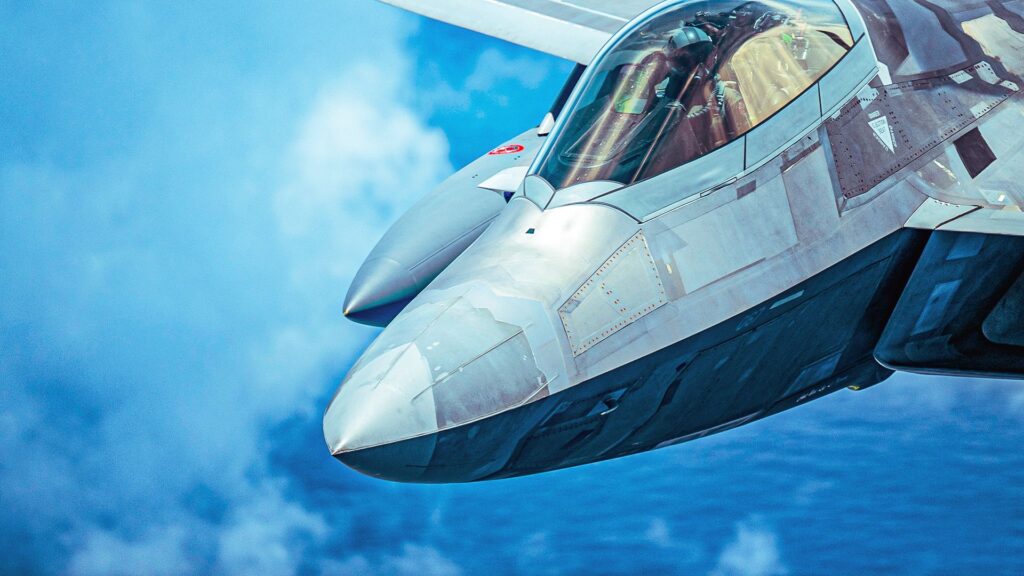
The United States Air Force (USAF) operates a vast and technologically advanced fleet of fighter jets, a critical component of its military capability. Understanding the exact number of these aircraft requires delving into broader themes such as modernization, strategic priorities, and the evolving nature of combat aviation. This complexity reflects not only the current state of airpower but also the decisions made by Congress regarding funding and the balance between older legacy aircraft and newer stealth platforms.
Composition of the Fleet
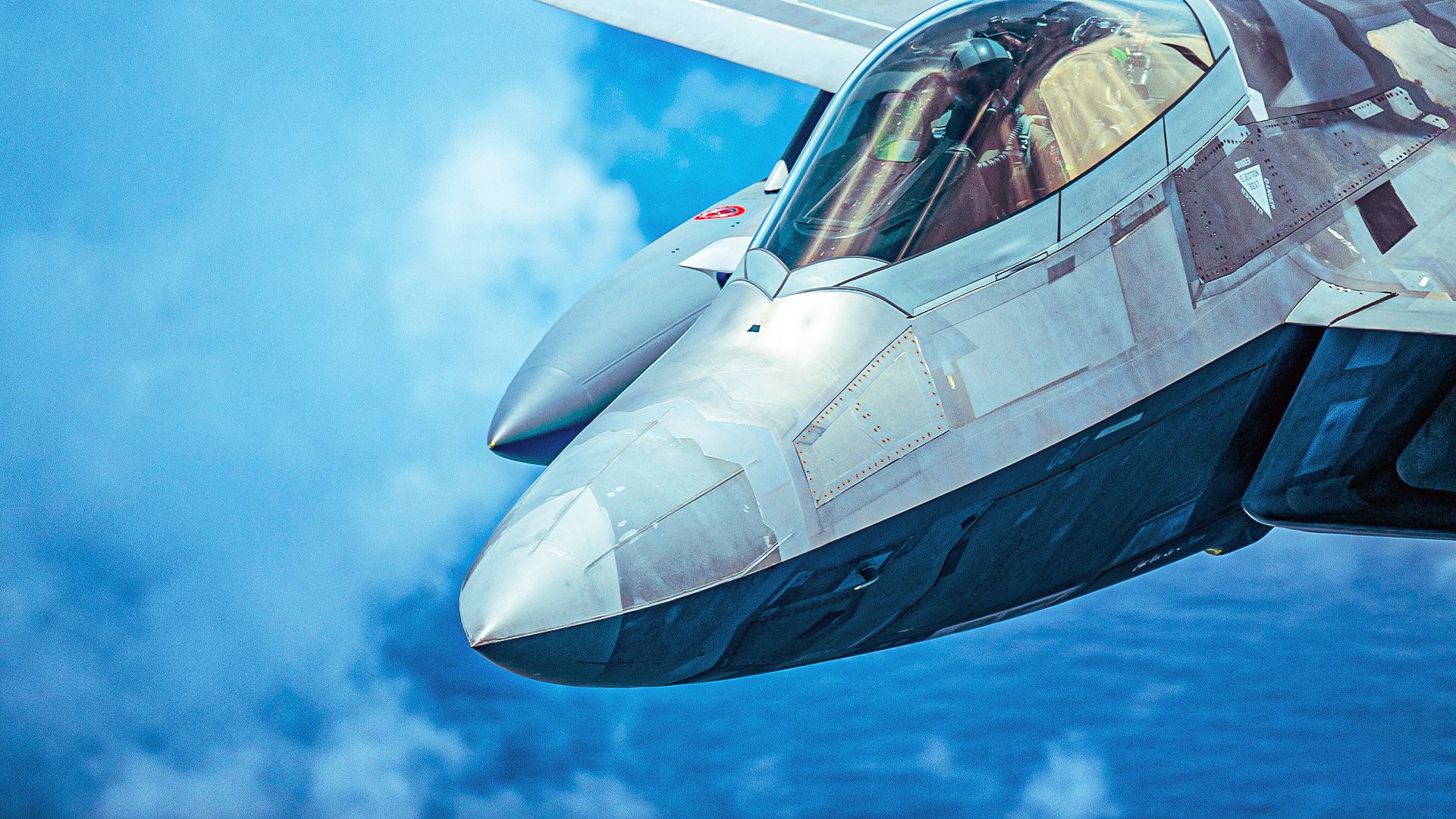
Determining how many fighter jets are in service can be challenging due to varying definitions of what constitutes a “fighter jet.” As of 2023, the USAF’s fleet includes over 2,000 fighter aircraft, which encompass a range of models from the F-15 and F-16 to the latest F-35 stealth fighters. This variety showcases the Air Force’s aim to maintain a diverse and formidable airpower capability.
The USAF is recognized for fielding the largest fleet of fighter jets globally, emphasizing not only quantity but also technological advancement. The integration of advanced systems in newer combat jets allows for enhanced operational effectiveness, adaptability, and survivability in complex combat environments.
Strategic Implications
The number of fighter jets serves as a tangible indicator of the USAF’s readiness and deterrence capabilities. Fighter aircraft are vital for ensuring air superiority and are often the first line of defense in military engagements. Consequently, the composition of the fleet reflects the strategic priorities set by military leadership and governmental policy.
In recent years, the Air Force has focused on modernizing its fleet. This includes phasing out older models while investing in next-generation platforms that leverage cutting-edge technology. For instance, the F-35 program, which aims to produce over 1,700 units, represents a significant investment in stealth capabilities and networked warfare.
Funding for these initiatives heavily influences the Air Force’s operational capacity. Congressional support is essential for sustaining and expanding the fighter jet fleet, as these resources determine which programs receive priority. The ongoing debates over military budgets also highlight the balancing act between maintaining legacy systems and investing in new technologies.
In summary, while the question of how many fighter jets the USAF operates may seem straightforward, it unveils a complex narrative about military readiness, strategic priorities, and evolving combat needs. The aircraft not only symbolize the United States’ military strength but also reflect the ongoing commitment to adapting to new challenges in air combat.