The United States Air Force (USAF) stands as a formidable force in global aviation, a distinction earned through a combination of strategic funding, extensive training, and a vast network of foreign bases. This comprehensive approach enables the USAF to project airpower like no other military branch. While many focus on the advanced fighter jets themselves, it is essential to understand the foundational elements that contribute to the USAF’s effectiveness.
Funding remains a cornerstone of US military strength. In the aftermath of the Cold War, defense spending saw significant reductions, dropping from over 5% of GDP to approximately 3.5%. This decline prompted major defense contractors to consolidate, leading to the formation of the so-called “Big Five.” Despite these cuts, the US maintained a more stable defense budget compared to many European nations, which embraced the so-called “peace dividend.” Following the events of September 11, 2001, defense spending began to rise again, further bolstering military capabilities.
Strategic Global Presence
A crucial aspect of the USAF’s power lies in its extensive network of foreign airbases. Unlike many nations, which primarily focus on homeland defense, the USAF is configured for power projection, supported by alliances with countries around the world. Bases in locations such as the Azores, Iceland, the UK, and Germany are vital for operations extending into the Middle East. Similarly, partnerships with Middle Eastern nations like Bahrain and Jordan enhance operational flexibility. In the Pacific, support from allies including Japan and Australia further strengthens the USAF’s capabilities.
Another critical factor is the USAF’s dominance in aerial refueling. It is estimated that the USAF controls roughly 75% of the world’s tanker aircraft. These refueling capabilities are essential for conducting long-range missions and maintaining operational readiness. Without this support, air forces would face significant logistical challenges, often requiring longer and less efficient travel routes.
The USAF’s current fleet is expansive, with approximately 4,000 aircraft, including around 2,718 combat aircraft, according to the USAF’s FY 2026 budget, which allocates about $210 billion for operations. This impressive inventory is complemented by a robust training program, underscoring the importance of preparedness in air combat.
Integration with Naval Forces
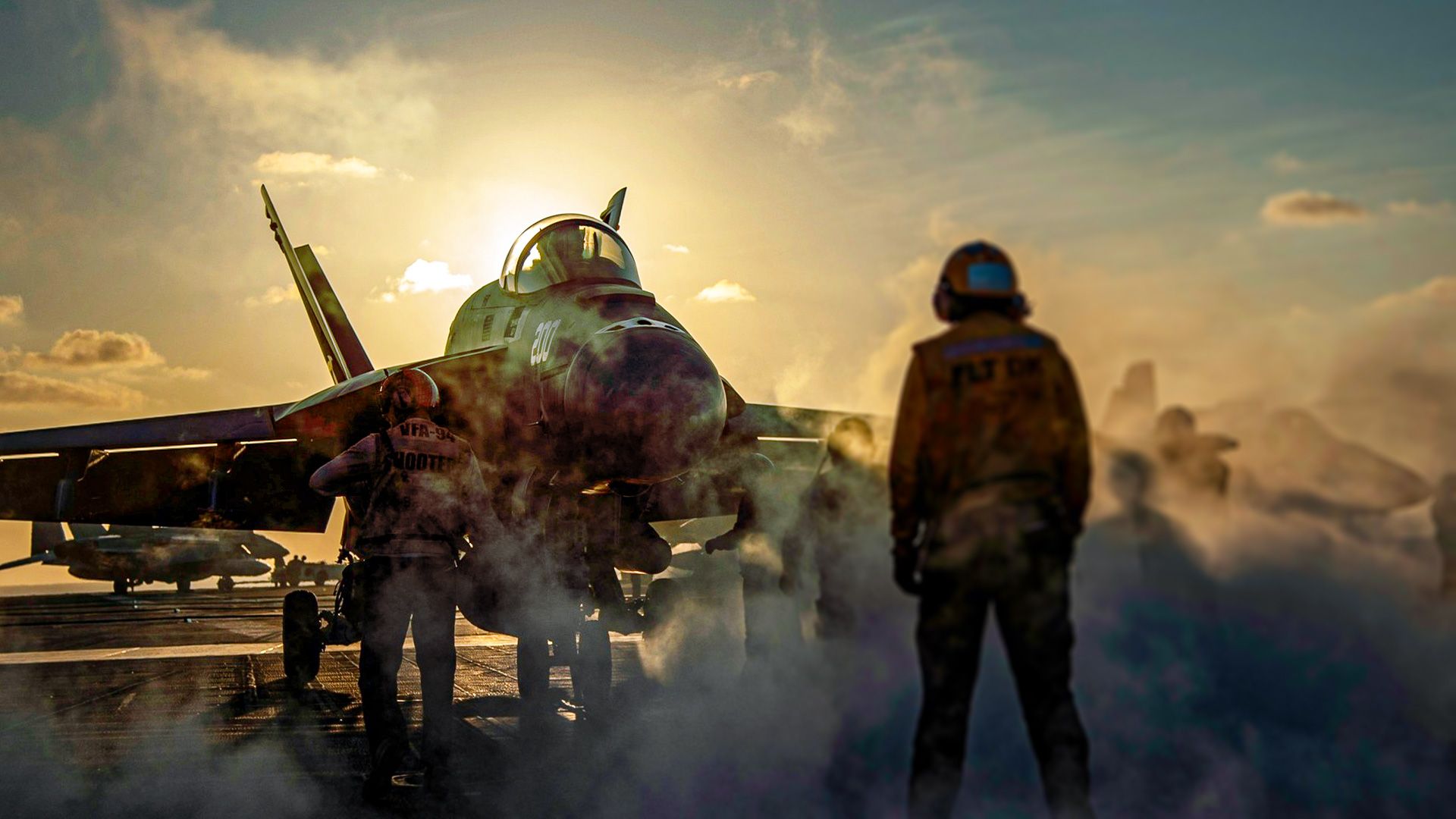
The synergy between the USAF and the US Navy further amplifies airpower effectiveness. The Navy’s dominance at sea ensures that supplies and logistics reach the Air Force, enabling operations in distant locations. Most of the USAF’s critical supplies, including fuel and munitions, are transported by sea, underscoring the interdependence of these two branches.
Advanced technologies play a significant role in the USAF’s operational effectiveness. The Air Force employs a wide array of special mission aircraft, such as AWACS (Airborne Warning and Control System) and electronic warfare platforms. These assets enhance situational awareness, providing critical intelligence that facilitates successful missions. The integration of space-based resources further amplifies the Air Force’s capabilities, allowing for unmatched target detection and engagement.
The emphasis on rigorous training sets the USAF apart from many other air forces. While some nations may prioritize displays of military might, the USAF focuses on honing skills and operational readiness. The Air Force maintains approximately 1,000 trainer jets, reinforcing the idea that a well-trained force is essential for effective combat operations.
In conclusion, the USAF’s dominance in global airpower stems from a multifaceted approach that encompasses strong funding, strategic alliances, advanced technology, and an unwavering commitment to training. While the fighter jets themselves are often seen as the pinnacle of air power, it is the foundational principles supporting them that truly define the strength and effectiveness of the United States Air Force.