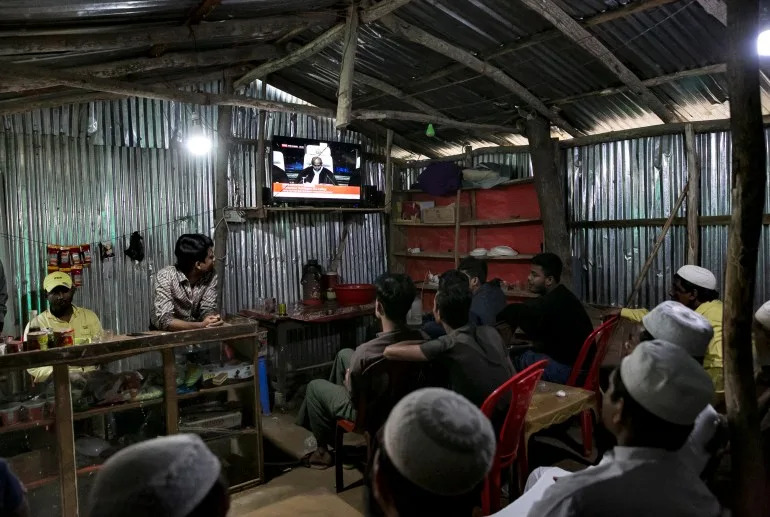
The International Court of Justice (ICJ) is set to hold public hearings in January 2024 regarding allegations of genocide against Myanmar’s Rohingya population. This significant case, which addresses accusations brought by The Gambia, marks the first time in over a decade that the ICJ will evaluate a genocide case on its merits.
The Gambia, a West African nation, filed the case in 2019, claiming that Myanmar violated the UN Genocide Convention during a violent military crackdown against the Rohingya community in 2017. The hearings will occur from January 12 to 20, 2024, with The Gambia presenting its arguments in the first week. Following that, representatives from Myanmar will have the opportunity to respond.
The court has allocated three days for witness testimonies, although these sessions will remain closed to the public and media. According to the ICJ, these hearings will focus on the merits of the case, including the examination of both witnesses and expert testimonies provided by the parties involved.
In 2020, the ICJ issued a ruling directing Myanmar to take all necessary measures to prevent genocide. This ruling came in response to the mass exodus of over 742,000 Rohingya, who fled to neighbouring Bangladesh amid reports of widespread atrocities, including murder, rape, and the destruction of entire villages.
In a recent statement, Dawda Jallow, The Gambia’s Minister of Justice, expressed hope for a timely judgment following the hearings. “We filed our case in November 2019, almost six years ago. Now, we are preparing for the oral hearing on the merits in this case,” he said. Jallow emphasized that The Gambia aims to demonstrate Myanmar’s responsibility for the alleged genocide and seeks reparations for the victims.
The ongoing situation in Myanmar has drawn significant international concern, with various countries intervening to support The Gambia’s case. Wai Wai Nu, Executive Director of the Women’s Peace Network-Myanmar, highlighted the potential impact of this coalition. “They could come together and do something to stop ongoing atrocities in Rakhine State,” she noted, referencing the continued violence against the Rohingya population.
Prior to the military campaign in 2017, approximately one million Rohingya resided in Myanmar, constituting a small fraction of the country’s population of 55 million. As the military’s actions intensified, many fled to the world’s largest refugee camp in Cox’s Bazar, Bangladesh, where conditions remain dire. Refugees have often faced years of hardship, with many enduring perilous journeys by boat in search of safety in other countries.
As the ICJ prepares for these crucial hearings, the implications of the case extend beyond Myanmar, potentially influencing international responses to ongoing conflicts, including South Africa’s recent actions concerning Israel amid the war in Gaza. The outcome of this case may set vital precedents in international law regarding genocide and state accountability.