As energy costs continue to rise in the United Kingdom, the traditional trade of chimney sweeping is experiencing an unexpected revival. In London, chimney sweeps like Josh Firkins are returning to the rooftops, employing modern technology alongside age-old techniques to ensure homes remain safe and efficient.
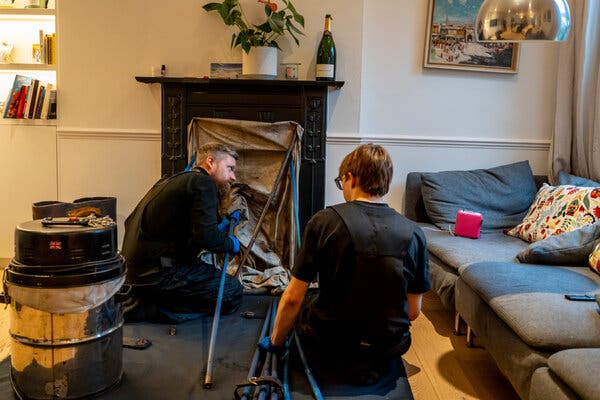
On a typical day, Firkins can be seen working atop a large family house, where a spiky round brush emerges from the chimney. This brush would be familiar to his great-great-great-grandfather, Charles Firkins, who began his career as a chimney sweep in the mid-19th century. However, the tools now in use would likely astonish him. Today, a digital camera inspects the chimney’s interior, while an industrial vacuum cleaner removes soot and debris dislodged by the brush. Drones equipped with cameras survey rooftops, offering a comprehensive view of the condition of chimneys and surrounding structures.
Historically, chimney sweeps were indispensable in British households, particularly when coal and wood-burning fires were the primary sources of heat. Their presence is deeply entrenched in cultural memory, from Dick Van Dyke’s iconic portrayal of Bert in the classic film Mary Poppins to the darker reality of child labor in the 18th and 19th centuries, where young boys were sometimes sent up chimneys at great risk to their lives.
The industry saw a significant decline with the mass adoption of central heating in the latter half of the 20th century and stringent clean air regulations that discouraged the use of open fires. Many chimney sweeping businesses closed their doors during this period, but some, including the Firkins family, have managed to survive.
Despite the challenges, the recent spike in energy prices has led to a renewed interest in chimney maintenance. Homeowners are increasingly aware of the importance of keeping chimneys clear to ensure efficiency and safety, particularly with the ongoing rise in utility costs. This has provided an opportunity for chimney sweeps to reestablish their relevance in modern times.
The Firkins family business is among several that have reported a significant uptick in demand for services, as more people look to maintain their heating systems effectively. Customers are motivated not only by the desire for comfort but also by the financial implications of high energy bills, which can be alleviated by ensuring that heating systems operate optimally.
As chimney sweeps adapt to contemporary demands, the trade is evolving. The blend of traditional skills with technological advancements reflects a broader trend in various crafts, where heritage meets innovation. These developments indicate a promising future for chimney sweeping, marking a significant shift in how the profession is perceived and practiced.
The resurgence of chimney sweeps in the U.K. serves as a reminder of the enduring nature of traditional trades, even as they adapt to the challenges of the modern world. The Firkins family, along with others in the industry, is not only preserving a piece of history but also addressing contemporary needs in energy conservation and home safety.