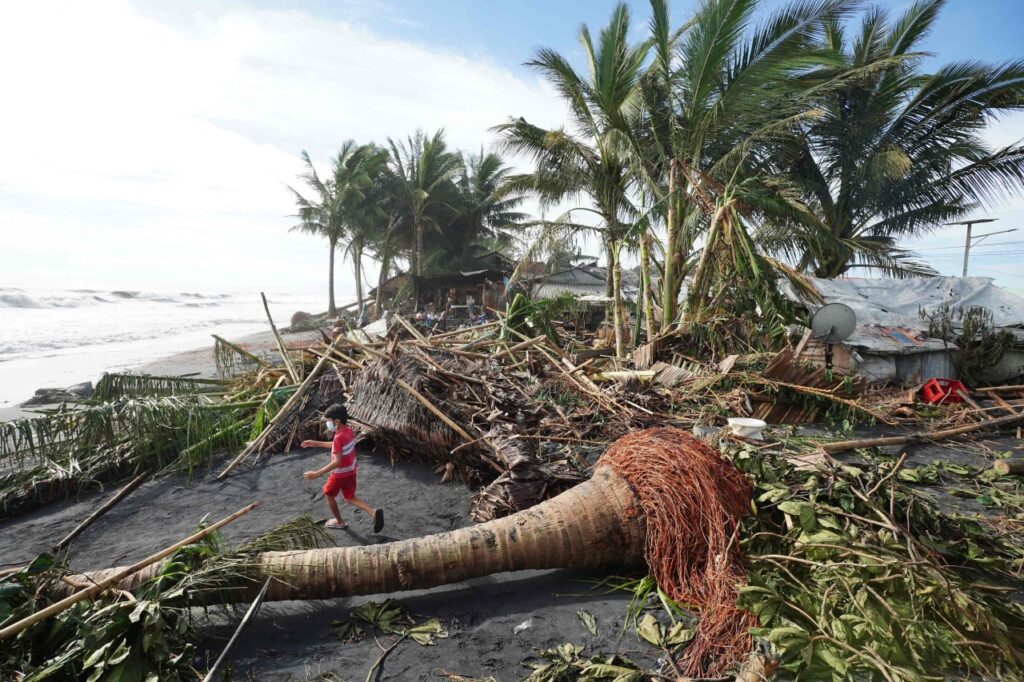
Survivors of devastating typhoons in the Philippines have initiated a significant lawsuit against the multinational company Shell, asserting that the oil giant bears responsibility for its contributions to climate change. The claimants allege that Shell has been aware for decades of the impact of burning fossil fuels on global warming, a position the company vehemently disputes.
The lawsuit, filed in the Supreme Court of the Philippines, claims that Shell’s operations have exacerbated climate-related disasters, including the typhoons that have caused widespread devastation in the region. According to data, the Philippines is one of the most vulnerable countries to climate change, with a history of severe weather events leading to loss of life and property.
Allegations Against Shell
The legal action centers around the assertion that Shell, as a major fossil fuel producer, has contributed to rising temperatures that lead to extreme weather conditions. The claimants have cited research indicating a direct correlation between fossil fuel emissions and increased frequency and intensity of typhoons. They argue that Shell’s practices have not only harmed the environment but also endangered communities.
In the lawsuit, the survivors seek accountability for the impacts of climate change on their lives, including damages for loss of homes and livelihoods. They argue that Shell and other oil companies must recognize their role in climate-related disasters and take responsibility for the consequences of their actions. The plaintiffs are demanding that Shell invest in measures to mitigate climate change and support affected communities.
Shell’s Response
Shell has rejected the allegations, stating that it does not bear responsibility for the effects of climate change on vulnerable populations. In a formal statement, the company emphasized its commitment to reducing its carbon footprint and transitioning towards renewable energy sources. Shell highlighted its investments in sustainable technologies and its ongoing efforts to meet global climate goals.
The legal claim has garnered attention not only for its implications for Shell but also for the broader conversation around corporate accountability in climate change. Environmental advocates have applauded the survivors for their courage in pursuing this landmark case, viewing it as a potential precedent for future lawsuits against fossil fuel companies.
As the lawsuit progresses, it will likely draw scrutiny from both legal experts and environmentalists, who are keen to see how the court addresses the complex interplay between corporate actions and climate change. The outcome could have significant ramifications for the oil industry and its role in global warming.
The case is expected to unfold over the coming months, and it has already sparked discussions about the responsibility of corporations in the fight against climate change. With the Philippines facing increasing threats from natural disasters, this lawsuit may highlight the urgent need for accountability and action.