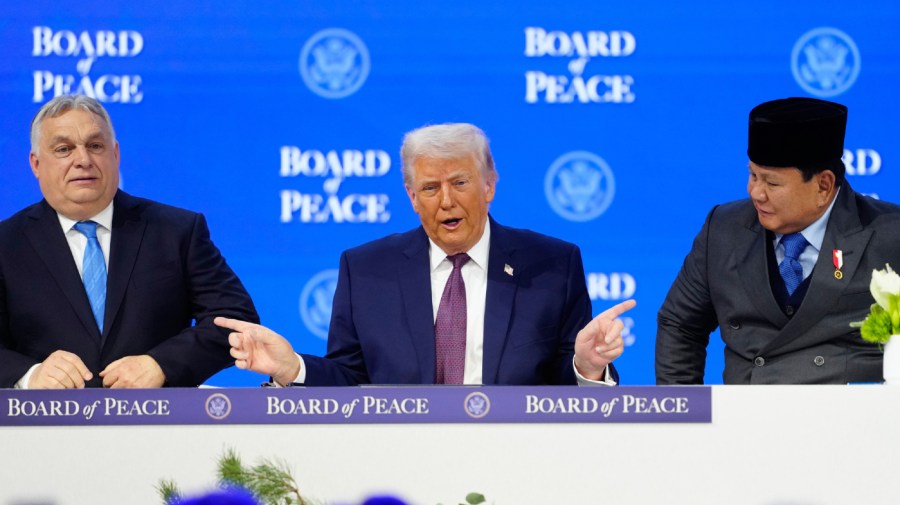
The newly established Board of Peace, led by former U.S. President Donald Trump, is under scrutiny as critics argue that it cannot replace the essential role of the United Nations (UN) in maintaining global peace. The board, informally dubbed “The Legion of Doom” by comedian Jimmy Kimmel, has sparked debate over its effectiveness and legitimacy in addressing international conflicts.
Critics have raised concerns about Trump’s leadership style, suggesting that his apparent disinterest in serious diplomatic engagement undermines the board’s credibility. Observers note that the UN has a long-standing history of facilitating dialogue and cooperation among nations, making it an indispensable entity in international relations.
US Withdrawal from Traditional Diplomacy
The formation of the Board of Peace follows a trend of withdrawing from traditional diplomatic channels. Trump’s approach has often been characterized by a preference for direct negotiations and informal alliances. However, many experts argue that the complexities of global issues require structured and multilateral approaches, which the UN has historically provided.
The UN has played a critical role in peacekeeping operations, conflict resolution, and humanitarian efforts around the world. Its ability to bring together diverse nations to address shared challenges is unparalleled. This has led to successful initiatives that have fostered peace in regions affected by war and strife.
The Challenge of Legitimacy
As the Board of Peace seeks to establish its presence on the global stage, questions about its legitimacy and authority continue to arise. The board’s ability to effectuate real change in international affairs remains uncertain. Many believe that without the backing of established international frameworks like the UN, Trump’s board may struggle to achieve meaningful outcomes.
In a recent statement, a spokesperson for the UN emphasized the importance of its role, stating, “The UN remains the cornerstone of international cooperation, and its mechanisms are vital for addressing the complexities of global peace and security.” This assertion underlines the ongoing relevance of the UN in contrast to newer initiatives that may lack the same foundational support.
While the Board of Peace aims to tackle pressing global issues, it seems increasingly evident that the UN’s established processes and experience in diplomacy cannot be easily replicated. As the world faces escalating conflicts and challenges, the necessity for a robust and cooperative approach remains critical.
The unfolding situation raises essential questions about how global governance will evolve in the face of shifting political landscapes. As the debate continues, only time will reveal the true impact of Trump’s board on international peace initiatives and whether it can coexist with the longstanding efforts of the UN.