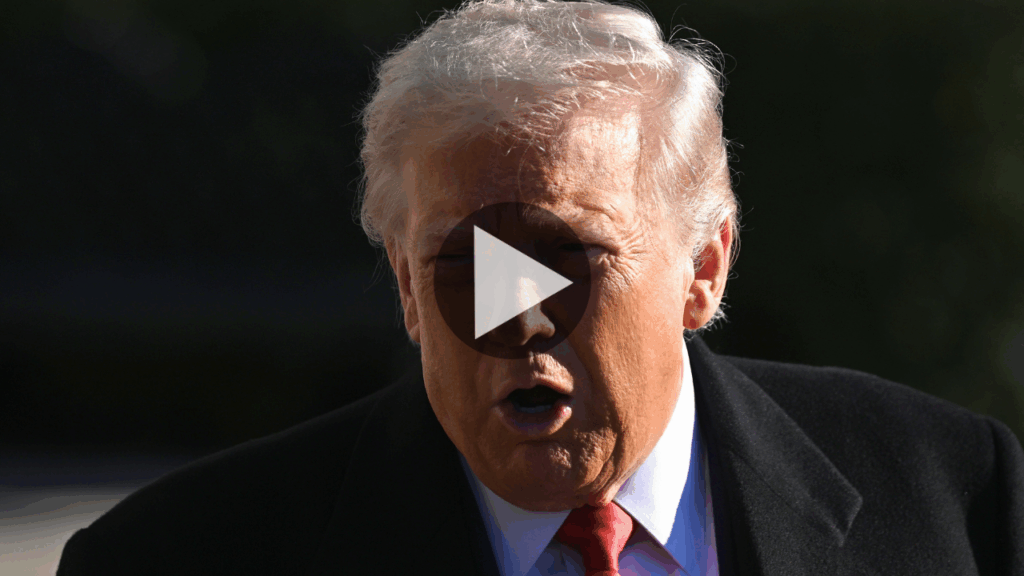
Former U.S. President Donald Trump has publicly criticized major defense contractors, demanding that they accelerate the production of military equipment and supplies. His remarks, made during a speech in Washington D.C. on October 10, 2023, are a response to perceived delays in fulfilling contracts with the U.S. Department of Defense. Trump specifically targeted companies such as Lockheed Martin, Raytheon Technologies, and Northrop Grumman, expressing frustration over their inability to meet production timelines.
Trump’s comments resonate amid ongoing conflicts that have heightened the demand for military resources. He emphasized the need for the defense industry to prioritize efficiency and responsiveness, particularly in the context of escalating geopolitical tensions. “We cannot afford any delays in our defense capabilities,” Trump stated, highlighting the urgency of the situation.
The former president’s critique reflects broader concerns regarding the defense sector’s capacity to supply the military effectively. In recent months, various reports indicated that contracts for key military projects have lagged behind schedule. For example, the production of advanced fighter jets and missile systems has faced significant setbacks, raising questions about the industry’s readiness to meet national security needs.
Industry Response and Implications
In response to Trump’s remarks, representatives from leading defense firms defended their production schedules. They pointed to supply chain challenges and the complexity of modern military systems as contributing factors to the delays. Industry insiders argue that while the demand for military equipment has surged, production capabilities are being tested by global supply chain disruptions and labor shortages.
The defense industry is a vital component of the U.S. economy, with significant investments from the federal government. In 2023, the U.S. government allocated over $800 billion to defense spending, a figure that underscores the importance of timely production. Industry analysts suggest that any further delays could jeopardize not only military readiness but also the financial stability of defense contractors reliant on government contracts.
Trump’s comments may also influence the political landscape as the 2024 presidential election approaches. His focus on defense production could resonate with voters concerned about national security. Additionally, it may pressure current government officials to take more decisive action in overseeing defense contracts and ensuring that production deadlines are met.
Future Outlook
As tensions continue to rise around the world, the demand for military readiness remains critical. Trump’s calls for increased production resonate with a growing sentiment among policymakers and the public for a robust defense posture. The defense industry will need to adapt quickly to meet these expectations, balancing the complexities of production with the urgency of national security demands.
The situation underscores the intricate relationship between government, defense contractors, and military readiness. As the defense sector navigates these challenges, it remains to be seen how effectively it can respond to calls for increased efficiency while maintaining the quality and safety of its products.
With ongoing scrutiny from political figures like Trump, the pressure on defense firms to deliver may only intensify in the coming months.