The McDonnell Douglas MD-90, a narrowbody aircraft, remains a rare example in aviation history, with only 116 units produced. Originally designed to compete with the Airbus A320-200, the MD-90’s limited production and operational challenges contributed to its status as an uncommon model in the skies. Delta Air Lines became the sole operator of the MD-90 during its final years, retiring the aircraft on June 2, 2020, marking the end of an era.
MD-90: An Overview
The MD-90 represents the third generation of the DC-9 family, featuring a T-tail design with rear-mounted engines and a typical seating arrangement of five seats per row in economy class. Although the MD-90 was an upgrade over its predecessor, the MD-80, it faced stiff competition from more popular aircraft models. With a length of 152 feet and seven inches (46.5 meters), it is longer than the Airbus A321-200 but has a passenger capacity similar to that of the A320-200.
Introduced with updated IAE V2500 engines, the MD-90 aimed to provide a more fuel-efficient alternative to the MD-80, which was equipped with the less efficient Pratt & Whitney JT8D-200. Despite these advancements, the MD-90 struggled to secure a foothold in the market, with Delta Air Lines acquiring most of the production.
The Decline of the MD-90
The MD-90’s rarity can largely be attributed to Delta Air Lines’ dominant role in its operational history. While over a dozen airlines placed orders for the MD-90, these were typically in small quantities, creating economic challenges for maintenance and operations. The aircraft’s high maintenance costs, particularly for the IAE V2500 engines, further diminished its appeal.
Initially, Delta operated only 16 new-build MD-90s, but by the early 2010s, it expanded its fleet significantly, acquiring an additional 49 second-hand units. This increase allowed Delta to service various domestic routes effectively. However, as the aircraft aged, maintenance became an issue. In the late 2010s, after-market support dwindled, leading to a gradual retirement of the MD-90 fleet.
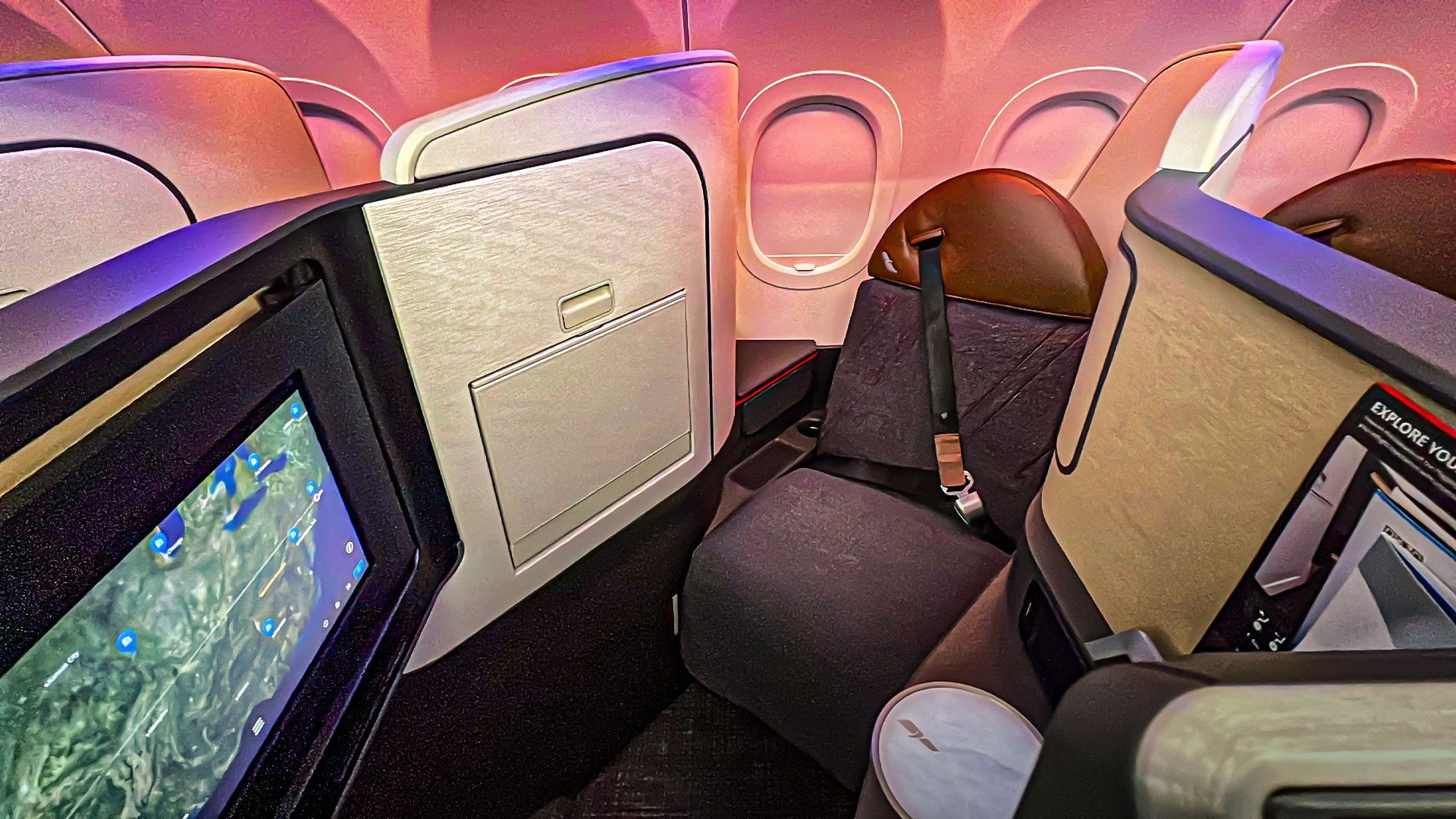
Despite its operational challenges, the MD-90 was utilized effectively within Delta’s network. The aircraft’s cockpit shared similarities with the MD-88, allowing for a common pilot pool, which streamlined operations. Delta configured the MD-90 with a mix of first-class, Comfort+, and economy seating, allowing for versatility in its service offerings.
In a broader context, the MD-90’s introduction occurred during a period of decline in the airline industry. Airlines were increasingly favoring models with greater capabilities and flexibility, which the MD-90 lacked. Furthermore, its limited range, similar to that of the 737-400, rendered it less competitive against the more versatile offerings from Boeing and Airbus.
The MD-90’s production officially came to an end following the merger of McDonnell Douglas with Boeing in 1997. Boeing’s focus shifted towards its own aircraft, particularly the 737, sidelining the MD-90 and ultimately leading to its discontinuation.
The final chapter for the MD-90 was written with Delta Air Lines, which operated the last commercial flight of the aircraft type from Houston to Atlanta on June 2, 2020. With the retirement of the MD-90, Delta also phased out the MD-88 fleet, marking a significant transition in its operational history.
In conclusion, the McDonnell Douglas MD-90, while an innovative aircraft for its time, faced a combination of market challenges and operational hurdles that limited its presence in the aviation landscape. As a result, it remains a unique, albeit rare, part of aviation history, primarily associated with Delta Air Lines.