The Republican Party is experiencing a significant ideological split regarding its support for Israel, particularly as the ongoing conflict in Gaza intensifies. Traditionally, the GOP has been more supportive of Israel compared to the Democratic Party, but recent events have prompted a reevaluation among lawmakers, commentators, and younger voters affiliated with the party. This shift is evident in the statements made by various figures within the party and the changing sentiments of its base.
During a recent Hanukkah celebration at the White House, former President Donald Trump remarked that the Israel lobby’s influence has diminished in Washington. He stated, “If you go back, 10, 12, 15 years ago, the strongest lobby in Washington was the Jewish lobby, it was Israel. That’s no longer true.” This commentary reflects a growing concern within conservative circles about the dynamics of U.S.-Israel relations.
The conflict escalated dramatically after Hamas launched an attack on Israel on October 7, 2023, resulting in approximately 1,200 fatalities and over 200 hostages taken. Lawmakers from both parties condemned the actions of Hamas and expressed support for Israel. However, as the war progressed, public opinion began to shift, especially regarding Israel’s military tactics. Reports from the Gaza Health Ministry indicated that Palestinian casualties exceeded 70,000 by November, with many civilians among the deceased, as noted by PBS.
On October 10, the first phase of a ceasefire deal, facilitated by Trump, was implemented, resulting in the return of all living hostages. Despite this development, both sides accused one another of violating the ceasefire in November. In December, Israeli Prime Minister Benjamin Netanyahu announced plans to transition into the next phase of the ceasefire.
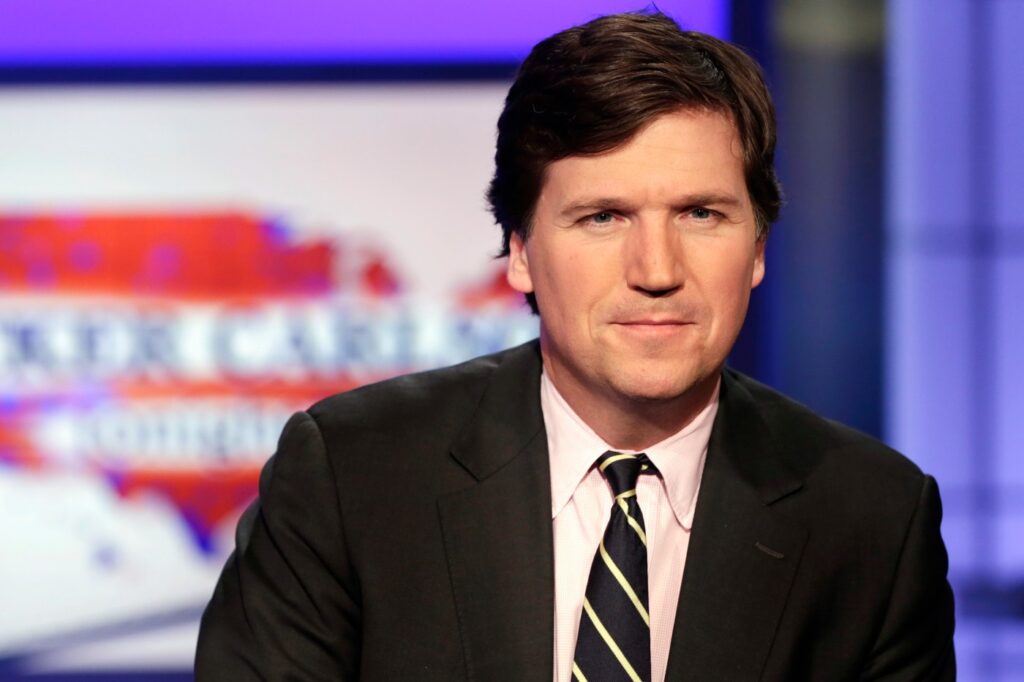
The voices of skepticism regarding Israel’s actions have grown louder within conservative commentary. Once a staunch supporter of the U.S. invasion of Iraq, Tucker Carlson has become a prominent critic of military interventions abroad. He has expressed discontent with U.S. support for Israel and has described it as “a completely insignificant country,” arguing that the U.S. would benefit more from aligning with other nations, such as Qatar.
Carlson has criticized the influence of the American Israel Public Affairs Committee and the Christian Zionist movement, asserting that these groups do not align with American interests. His controversial remarks, including characterizing Christian Zionism as a “brain virus,” have sparked debate within the conservative community.
Tensions escalated following Carlson’s decision to host far-right commentator Nick Fuentes on his podcast, leading to backlash from within the conservative ranks. Conservative commentator Ben Shapiro labeled Carlson an “intellectual coward” for providing Fuentes a platform to express anti-Semitic views. In contrast, some conservative leaders defended Carlson, resulting in internal strife within organizations such as the Heritage Foundation.
The divide among conservatives reached a peak during TurningPoint USA’s Americafest in December. Shapiro openly criticized figures like Megyn Kelly and Carlson for their reluctance to denounce conspiracy theories associated with conservative commentator Candace Owens. Owens had suggested that Israel was behind the assassination of Charlie Kirk, a prominent Zionist figure, which further polarized opinions within the party.
Emerging trends among younger Republicans indicate a growing skepticism towards U.S. support for Israel. A poll conducted by the Institute for Middle East Understanding Policy Project and YouGov revealed that only 23% of Republicans aged 18 to 44 believe the U.S. should increase support for Israel, compared to 31% of those over 45. The disparity extends to perceptions of Netanyahu, who enjoys a 40-point net favorability rating among older Republicans, while younger members show only a two-point approval.
Brent Buchanan, president of Cygnal, emphasized that younger conservatives prioritize an “America First” agenda, distancing themselves from traditional ideological divides. Concerns about U.S. financial support for Israel, particularly in relation to potential military involvement, are prevalent among this demographic.
Vice President JD Vance addressed the discussion about anti-Semitism and Israel, acknowledging the generational differences within the party. He noted that while younger conservatives may disagree with Israeli policies, it does not equate to anti-Semitism.
As the Republican Party navigates this complex landscape, the evolving views on Israel among its members may have lasting implications for U.S. foreign policy and the party’s broader ideological direction. The ongoing conflict in Gaza continues to serve as a focal point for these debates, highlighting the challenges of aligning traditional party values with the changing perspectives of its constituents.