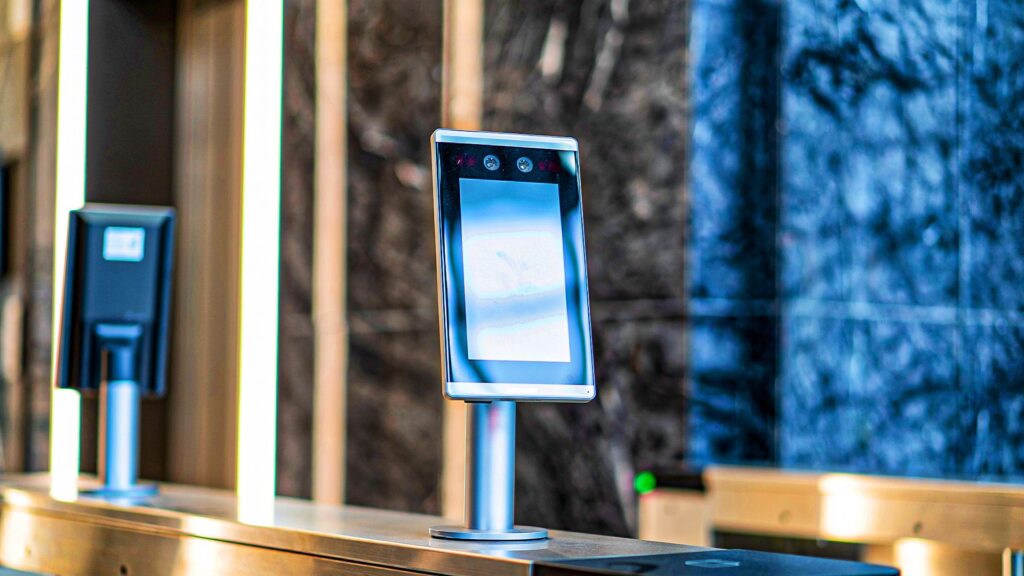
Orlando International Airport (MCO) has launched a 90-day pilot program featuring advanced facial recognition technology aimed at expediting the boarding process for international flights. Travelers passing through select international gates now experience a seamless journey, where their identity is confirmed through a quick scan by cameras, allowing them to proceed without retrieving their passports or boarding passes.
Implementation of Biometric Technology
This initiative marks the first significant deployment of next-generation facial recognition systems in the United States, designed to replace traditional identity checks at airports. Biometric systems from various vendors capture live facial images and match them against government identity records to verify passenger identities. As international travel rebounds in the post-pandemic era, this technology promises to enhance efficiency at one of the nation’s busiest airports.
With over 57 million passengers expected to pass through Orlando’s terminals this year, airport officials view the introduction of biometric boarding as a critical solution to congestion, especially during peak travel seasons. Travelers approaching international departure gates will walk through a corridor lined with cameras that capture their facial images, matching them in real-time with records maintained by federal agencies such as U.S. Customs and Border Protection.
The initiative aims to streamline the travel experience, reducing wait times and improving passenger flow. This biometric process not only alleviates the need for manual document checks but also enhances the overall security screening capacity at the airport.
Privacy Concerns and Regulatory Challenges
Despite the potential benefits of this technology, the rollout has sparked considerable debate concerning privacy and civil liberties. Critics argue that widespread biometric profiling could lead to extensive data collection and surveillance. Concerns have been raised about how long facial images are stored and whether they might be shared across different agencies. Furthermore, there are apprehensions regarding the accuracy of facial recognition systems, particularly pertaining to demographic disparities, as some algorithms have shown higher error rates for women and individuals with darker skin tones.
In response to these issues, privacy advocates and lawmakers are calling for stringent safeguards and bias testing. Several bipartisan proposals have emerged, aiming to limit the use of biometric screening at checkpoints and enhance travelers’ rights to opt-out of such systems. While officials assert that data protections are in place, including the automatic deletion of scans for U.S. citizens within hours, the necessity for public trust remains paramount for the broader acceptance of this technology.
As the pilot program progresses, it will not only assess the reliability of the systems but also address operational challenges such as staffing and signage. Future expansions of these systems could potentially see their integration across other checkpoints, including baggage drop areas and security lanes, further enhancing the touchless travel experience.
The Orlando pilot is part of a larger trend observed globally, where airports are increasingly adopting automated border controls and digital identification systems. Similar initiatives, such as Digi Yatra in India and SmartGate programs in Australia and New Zealand, are already in place, aimed at facilitating faster movement through various stages of travel.
With the aviation industry facing rising passenger volumes, the adoption of biometric technologies is seen as essential for improving operational efficiency while maintaining necessary safety standards. If successful, the Orlando pilot could pave the way for similar systems to be implemented across other U.S. airports, fundamentally transforming the air travel experience.
Ultimately, the future of identity verification in air travel hinges not only on technological advancements but also on the establishment of robust policy frameworks that balance innovation with individual rights. As stakeholders navigate these complexities, the next decade may see a shift towards a system where identity verification is accomplished with a mere glance at advanced algorithms, potentially making physical passports and boarding passes relics of the past.