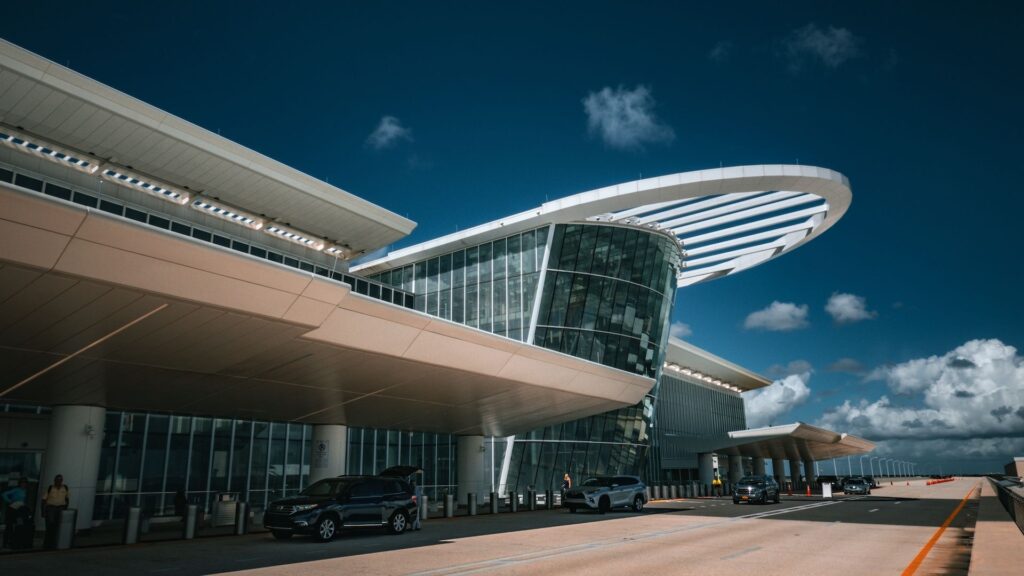
Orlando International Airport (MCO) has announced the rollout of new facial-biometric technology aimed at reducing wait times for international travelers. The airport is collaborating with the United States Customs and Border Protection (CBP) to implement an Enhanced Passenger Processing (EPP) system. This innovative approach allows for real-time verification of eligible US citizens by matching live photographs to passport records, significantly decreasing the need for multiple document checks by immigration officers.
The EPP system has already demonstrated a promising impact, reducing wait times by approximately 43% for participating arrivals. Following this initial phase, MCO plans to test gate-based facial screening for departing international flights, which is expected to expedite boarding processes, enhance compliance, and maintain the flow of passengers during peak travel periods without additional individual checkpoints.
Two Components of the New System
The enhanced system comprises two main components. First, the EPP for inbound travelers features kiosks that capture a photo of the passenger, which is then verified against passport images in immigration systems. This process allows verified passengers to proceed with fewer stops during their time at the airport.
The second part of the rollout is a 90-day pilot program for outbound international departures. Passengers participating in this program will walk through a corridor equipped with cameras near the jet bridge. Their live images will be matched with government records, monitored in real-time by CBP agents. Orlando International Airport anticipates increasing travel demand, estimating that more than 57 million passengers will travel through the airport this year, with around 15% of those being international travelers.
Current infrastructure already includes biometric equipment installed at 65 of the airport’s 113 gates. The airport is evaluating three vendors, including iProov and Aware, to determine the feasibility of broader deployment based on pilot results.
Enhancing the Travel Experience
The pilot program is designed to create a seamless boarding experience for travelers. Instead of stopping to present a passport and boarding pass, passengers will simply walk through a corridor lined with cameras. This system will automatically capture live images and confirm identities against federal records, ensuring that the person on the ticket matches the individual boarding the aircraft. CBP officers will monitor verification screens in real-time, enabling airlines to maintain efficient passenger flow.
Vendors involved in the project highlight that advanced algorithms can accommodate various angles, heights, and mobility devices, allowing families to be verified together rather than individually. This efficiency is crucial at a high-volume airport, where even minor delays can lead to significant congestion and missed flight opportunities.
If the pilot program proves successful, Orlando International Airport may extend biometric technology across additional international gates, aiming for fewer handoffs, reduced friction, and expedited boarding during busy travel times. The airport joins three other US airlines already utilizing biometrics for security screening.
Considerations and Privacy Concerns
While the airport and CBP advocate for the benefits of biometrics in enhancing overall passenger throughput, they acknowledge the importance of clear guidelines and privacy considerations. The quick facial recognition at kiosks can replace multiple document checks, which has already shown to reduce processing wait times significantly.
US citizens participating in the program can opt out of facial processing and request a manual check, though this may lead to longer lines. The CBP confirms that images of US citizens will be purged within 12 hours, while photos of noncitizens may be retained for a longer duration under federal regulations set to take effect on December 26, 2025.
Privacy advocacy groups have raised concerns regarding potential mission creep, security breaches, and varying accuracy across different demographics. Yet, agencies and vendors counter these worries by citing high match rates and ongoing testing. For MCO, the ultimate goal is to leverage automation to enhance speed and efficiency without compromising passenger trust. The outcomes of the pilot program will determine the future expansion of these systems.