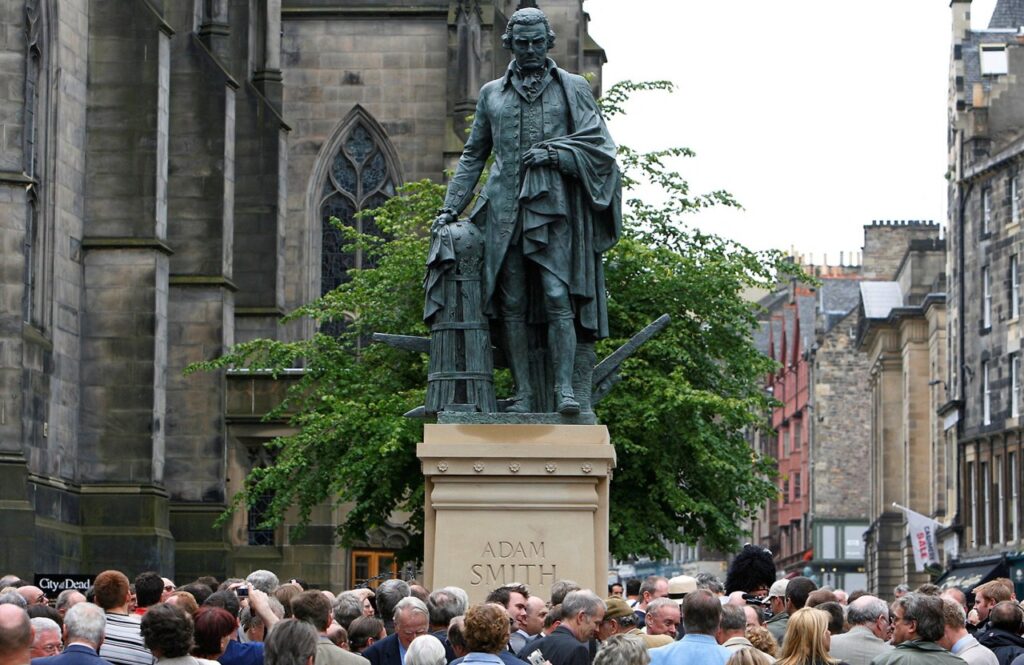
The discourse surrounding the potential for a new Scottish Enlightenment has gained momentum, as prominent figures engage in discussions about Scotland’s cultural and intellectual future. Fraser Nelson recently responded to fellow commentators Barton Swaim and Allan Massie, emphasizing the importance of reviving the spirit of inquiry and innovation that characterized Scotland’s intellectual boom in the 18th century.
The original Scottish Enlightenment was marked by significant advancements in philosophy, science, and economics. Key figures such as David Hume and Adam Smith laid the groundwork for modern thought and economic theory. Today, advocates of a new enlightenment argue that Scotland possesses the necessary infrastructure and talent to foster a similar cultural revival.
Nelson highlights that Scotland is at a crossroads, where the convergence of ideas and challenges could lead to remarkable intellectual growth. He argues that the current debates over Scottish identity, governance, and economic strategy present an opportunity for fresh perspectives. The dialogue initiated by Swaim and Massie has sparked interest in how Scotland can harness its historical legacy to address contemporary issues.
In his response, Nelson acknowledges the criticisms raised by Swaim and Massie but urges a broad-minded approach to Scotland’s future. He posits that a renewed commitment to education and intellectual leadership is essential for navigating the complexities of modern society. Nelson’s vision aligns with the notion that Scotland can become a beacon of innovation and thought leadership in the 21st century.
The potential for economic growth also plays a crucial role in this discussion. According to recent reports, Scotland’s economy has shown resilience and adaptability in the face of global challenges. By fostering a culture of inquiry and creativity, Scotland could strengthen its economic position and contribute to the wider global knowledge economy.
As the conversation around a new Scottish Enlightenment continues, it remains to be seen how these ideas will manifest in practical terms. The engagement of influential voices such as Fraser Nelson, Barton Swaim, and Allan Massie is pivotal in shaping this narrative and inspiring a generation of thinkers and innovators.
In conclusion, the potential for a new Scottish Enlightenment hinges on Scotland’s ability to embrace its historical strengths while adapting to modern demands. The ongoing dialogue reflects a growing awareness of the importance of intellectual and cultural leadership. As Scotland looks to the future, the possibility of rekindling its legacy as a center of enlightenment remains both a challenge and an opportunity.