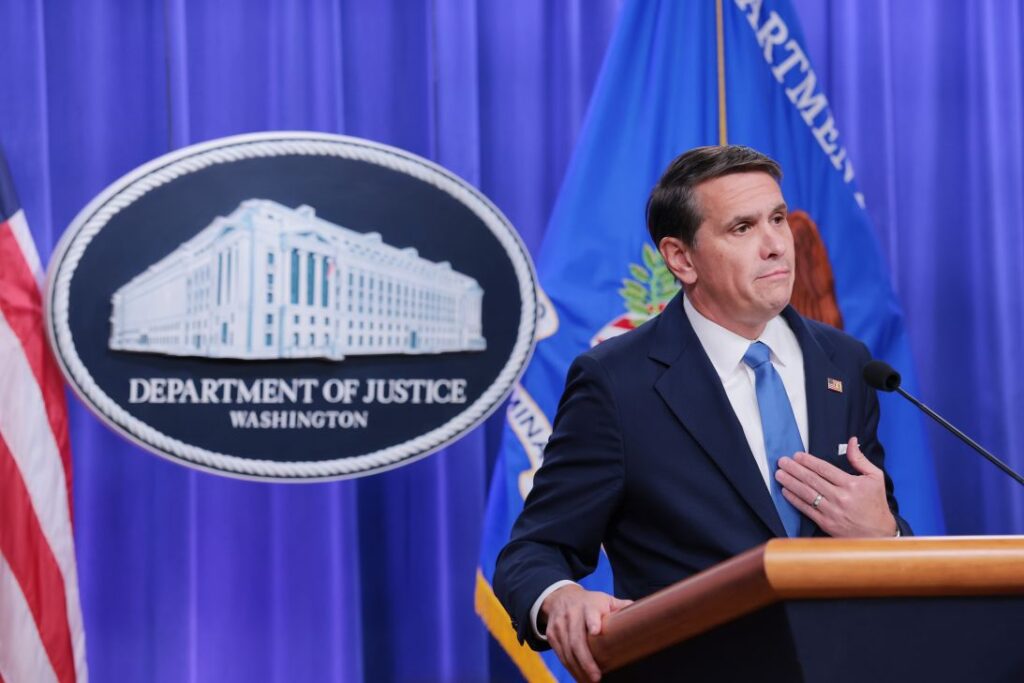
The recent release of over 3 million pages from investigations into Jeffrey Epstein has intensified public scrutiny but left many victims feeling further marginalized. This document dump, which includes videos, photographs, and emails, has not provided the clarity or justice survivors were hoping for. The U.S. Department of Justice (DOJ) has signaled that there will be no additional prosecutions linked to Epstein’s crimes, as indicated by Deputy Attorney General Todd Blanche during an appearance on CNN’s “State of the Union.”
Blanche emphasized the separation between the contents of the Epstein files and the potential for prosecuting individuals connected to him. “There’s a lot of correspondence. There’s a lot of emails. There’s a lot of horrible photographs,” he stated, noting that such evidence does not inherently lead to prosecutions. This news has left survivors grappling with a sense of betrayal, as many feel their stories and identities have been compromised once more.
The DOJ’s recent release has included materials that shed light on Epstein’s connections to high-profile figures, including Donald Trump and Bill Clinton. Both former presidents have publicly denied any involvement in Epstein’s illicit activities, but their associations have reignited discussions about their past ties to the convicted sex offender.
Impact on Survivors and Calls for Justice
While some survivors found a degree of vindication in the 2022 sentencing of Epstein’s associate Ghislaine Maxwell to 20 years in prison, many believe justice remains elusive. One survivor, Danielle Bensky, expressed frustration that some victims had been named in documents despite assurances of confidentiality. “What are we protecting?” Bensky questioned, highlighting the ongoing concern about the lack of transparency from the DOJ regarding withheld information.
Mistakes in the document release were acknowledged by Blanche, who stated that such errors were “inevitable” given the volume of materials. Survivors and advocates argue that the DOJ’s handling of these files has not only failed to protect victims but has also raised broader questions about accountability. Critics are demanding clarity on why, despite numerous allegations of abuse, there have been minimal prosecutions against those who may have facilitated Epstein’s operations.
“Hundreds of women have come forward, yet we see no widespread legal action,” noted Bensky, echoing sentiments shared by many in the survivor community. The lack of new prosecutions has left some questioning the DOJ’s commitment to ensuring justice for those harmed by Epstein.
Political Fallout and Legislative Concerns
The release of the Epstein documents has sparked political controversy, particularly regarding the DOJ’s compliance with a new law mandating transparency in such investigations. Rep. Ro Khanna voiced his concerns about the administration’s adherence to this law, suggesting that if performance does not improve, they may consider contempt or impeachment proceedings against senior officials. “It’s frankly one of the largest scandals, in my view, in our country’s history,” Khanna asserted during an interview.
The political implications extend beyond mere compliance. Lawmakers are increasingly scrutinizing the relationships between Epstein and various powerful figures. Khanna pointed out that while some individuals may not have committed crimes, their continued association with Epstein raises moral questions. “The American people are asking, ‘What moral code are they living by?’” he stated.
As investigations continue, the House is expected to vote on whether to hold Bill and Hillary Clinton in contempt for not complying with subpoenas regarding their potential connections to Epstein. The Clintons’ legal team has described these subpoenas as “invalid and legally unenforceable.”
The newly released documents have also drawn attention to other prominent figures, including tech billionaire Elon Musk, who is revealed to have attempted to coordinate visits to Epstein’s private island. Musk has publicly stated that he declined invitations to Epstein’s events but acknowledged that some correspondence could be misinterpreted.
The ongoing revelations have not only deepened the trauma for Epstein’s victims but have also stirred political and social discourse surrounding accountability and transparency. As investigations unfold, the hope for justice remains a central concern for survivors and lawmakers alike.
The latest developments highlight the complex web of relationships Epstein maintained and the ongoing societal implications of his actions. As the conversation surrounding Epstein continues to evolve, many are left questioning not only the legal outcomes but also the broader ethical standards upheld by those in power.