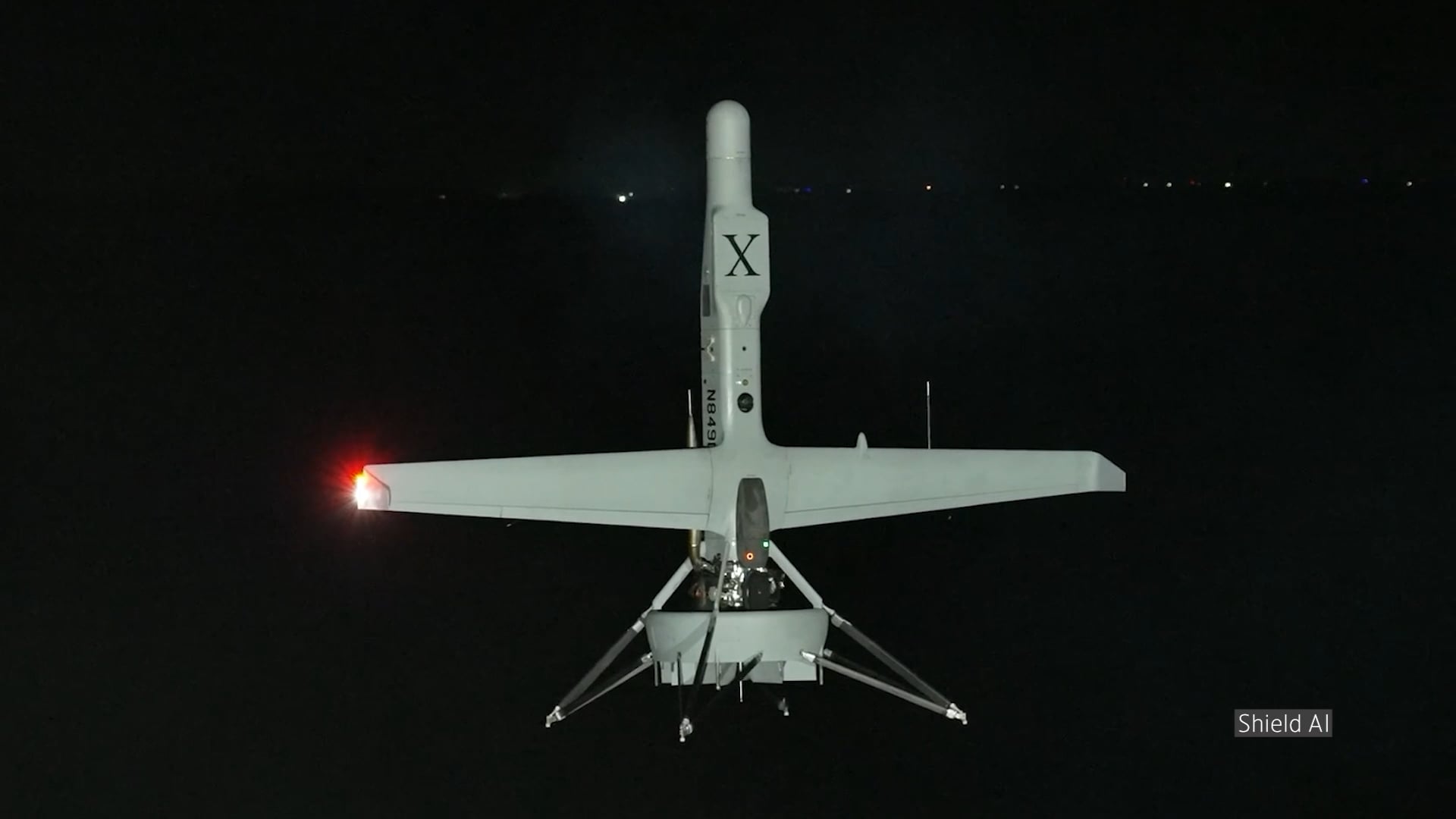
In modern warfare, the ability to operate drones in environments where GPS signals are unreliable is becoming increasingly essential. Companies like Shield AI are at the forefront of this challenge, focusing on developing trusted autonomy and ensuring sovereign control over unmanned aerial systems (UAS). This approach is crucial for military operations, particularly in contested areas.
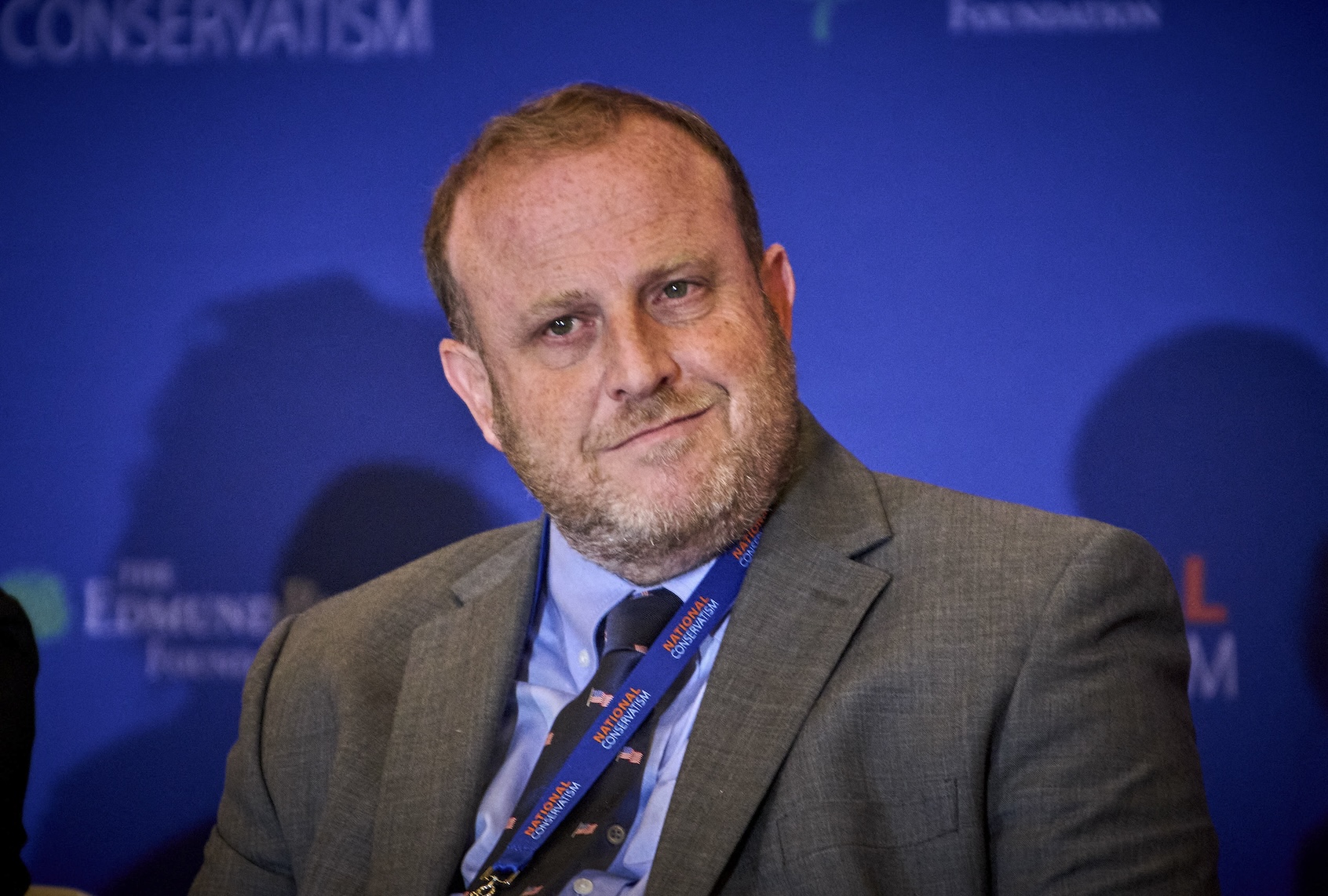
Mike Hanlin, Senior Director of Business Development at Shield AI, and Saleh Alnahdi, Director of Business Development and Strategy for Saudi Arabia, recently discussed the importance of these technologies in a crowded UAS market. They emphasized that while various platforms exist, the key differentiators lie in the reliability of autonomous systems and the control that nations have over their use.
Challenges in GPS-Denied Environments
Operating drones in GPS-denied environments presents unique challenges. Traditional navigation systems often falter in urban settings or areas with significant electronic interference. As a response, Shield AI is developing technologies that enable drones to operate effectively without relying solely on GPS. This capability is vital for missions where precision and adaptability are paramount.
According to Hanlin, the future of drone operations will depend heavily on the integration of advanced artificial intelligence and machine learning. These technologies allow drones to make real-time decisions based on their surroundings, enhancing their ability to navigate challenging environments. The goal is to create systems that not only operate independently but also adapt to changing conditions on the ground.
The Importance of Sovereign Control
Sovereign control over UAS is another critical aspect highlighted by both Hanlin and Alnahdi. Nations must have the ability to dictate how these technologies are deployed, ensuring that they align with national security strategies. This control extends beyond mere operation; it encompasses data management, operational protocols, and ethical considerations in drone usage.
Alnahdi pointed out that as countries like Saudi Arabia expand their military capabilities, understanding how to integrate these advanced systems into their arsenals is crucial. By prioritizing sovereign control, nations can harness the potential of drone technology while mitigating risks associated with dependency on foreign systems.
The evolving landscape of drone operations represents a significant shift in military strategy. As conflicts become more complex and environments more unpredictable, the need for reliable, autonomous systems will continue to grow. Shield AI’s focus on trusted autonomy and sovereign control positions the company as a leader in this field, ready to meet the demands of modern warfare.
In conclusion, as the conversation around UAS technology develops, the emphasis on autonomy and national control will shape the future of military operations. Shield AI is poised to lead the way, addressing the critical requirements of a new era in drone technology.