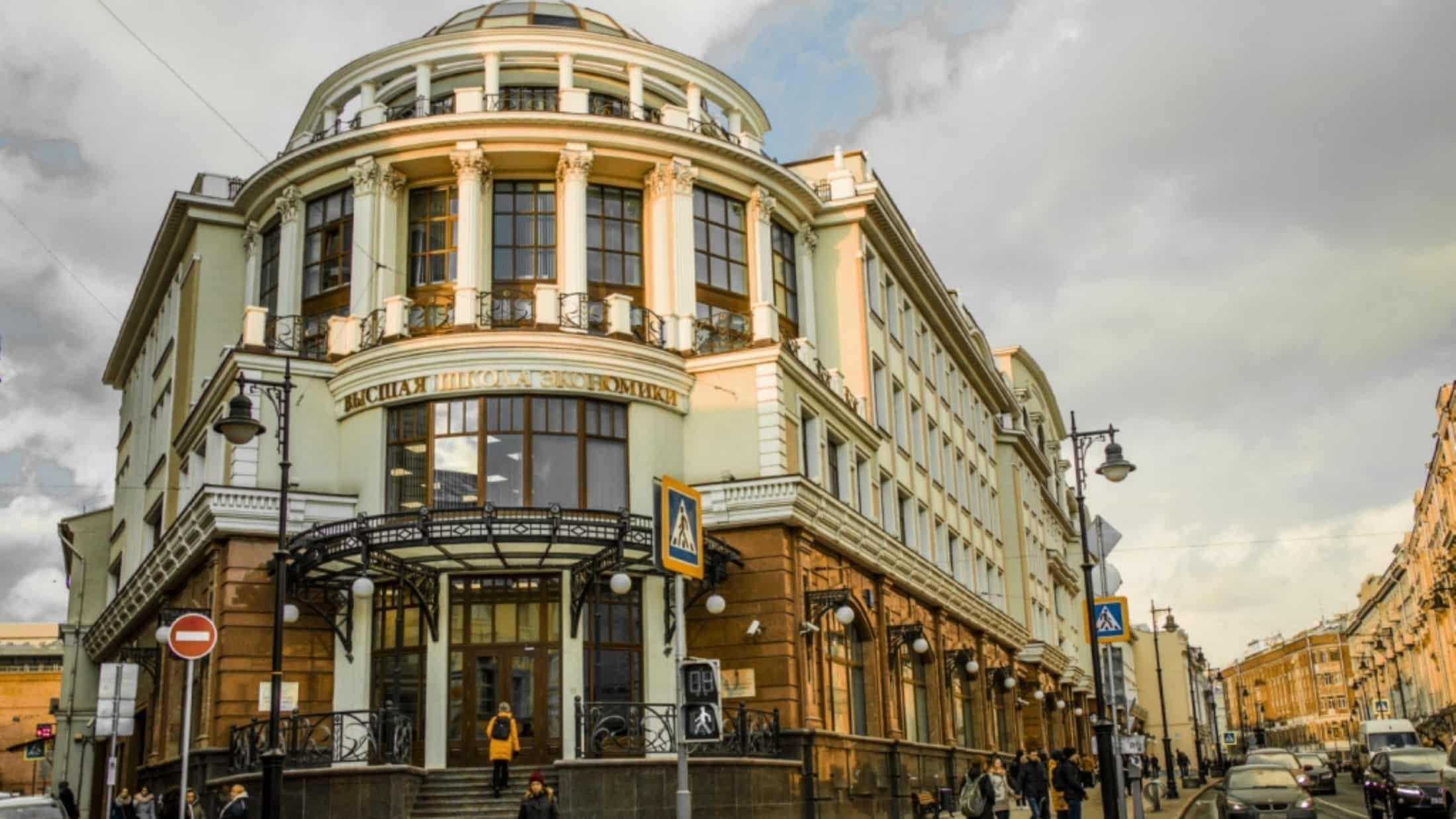
PICTURED: Higher School of Economics in Russia. https://www.linkedin.com/school/%D0%B3%D0%BE%D1%81%D1%83%D0%B4%D0%B0%D1%80%D1%81%D1%82%D0%B2%D0%B5%D0%BD%D0%BD%D1%8B%D0%B9-%D1%83%D0%BD%D0%B8%D0%B2%D0%B5%D1%80%D1%81%D0%B8%D1%82%D0%B5%D1%82---%D0%B2%D1%8B%D1%81%D1%88%D0%B0%D1%8F-%D1%88%D0%BA%D0%BE%D0%BB%D0%B0-%D1%8D%D0%BA%D0%BE%D0%BD%D0%BE%D0%BC%D0%B8%D0%BA%D0%B8/ SEND IN STUDENTS // One of Moscowâs top universities is encouraging students to enlist in the military in non-combat positions, while offering plush signing bonuses. But legal experts warn the recruitment efforts rely on deceptive tactics that instead are thrusting the young academics into the throes of war.
A leading university in Moscow is enticing students to enlist in the Russian military with substantial signing bonuses, raising concerns about deceptive recruitment tactics. The Higher School of Economics confirmed that it, along with several other academic institutions, is offering bonuses of 5.2 million rubles (approximately $68,600 USD) to students who join non-combat roles. This initiative has drawn scrutiny from legal experts, who warn that these positions may not be as safe as advertised.
Students are reportedly being encouraged to sign up for one-year tours of duty in the military’s drone units, which are claimed to operate away from the front lines in the ongoing conflict in Ukraine. However, critics argue that the assurances provided to students are misleading. According to Artyom Klyga, a lawyer with the Movement for Conscientious Objectors, these young recruits could find themselves thrust into direct combat roles.
Klyga highlighted that all military contracts in Russia have become indefinite following a decree by President Vladimir Putin in 2022, which was enacted at the start of the invasion of Ukraine. This legal shift effectively removes any guarantees regarding the nature of military service and the potential risks involved.
The Higher School of Economics, while regarded as a prestigious institution, has faced criticism for its perceived alignment with the Kremlin. The recruitment strategies employed by the university echo those of other educational establishments within Russia, including the Moscow Institute of Physics and Technology, the Siberian Federal University, and the Shukhov Belgorod State Technological University. These institutions are similarly accused of using dubious practices to attract students to military service.
Human rights organizations have expressed alarm over this trend, suggesting that the recruitment campaigns could exploit students’ financial needs while placing them in harm’s way. As the war in Ukraine continues to unfold, the implications of such recruitment efforts raise significant ethical questions about the treatment of young academics in Russia and the responsibilities of educational institutions.
The situation highlights a growing intersection of education and military service in Russia, complicating the choices faced by students amid a backdrop of conflict. As these recruitment offers become more widespread, it remains to be seen how they will impact both the individuals involved and the broader societal landscape in Russia.