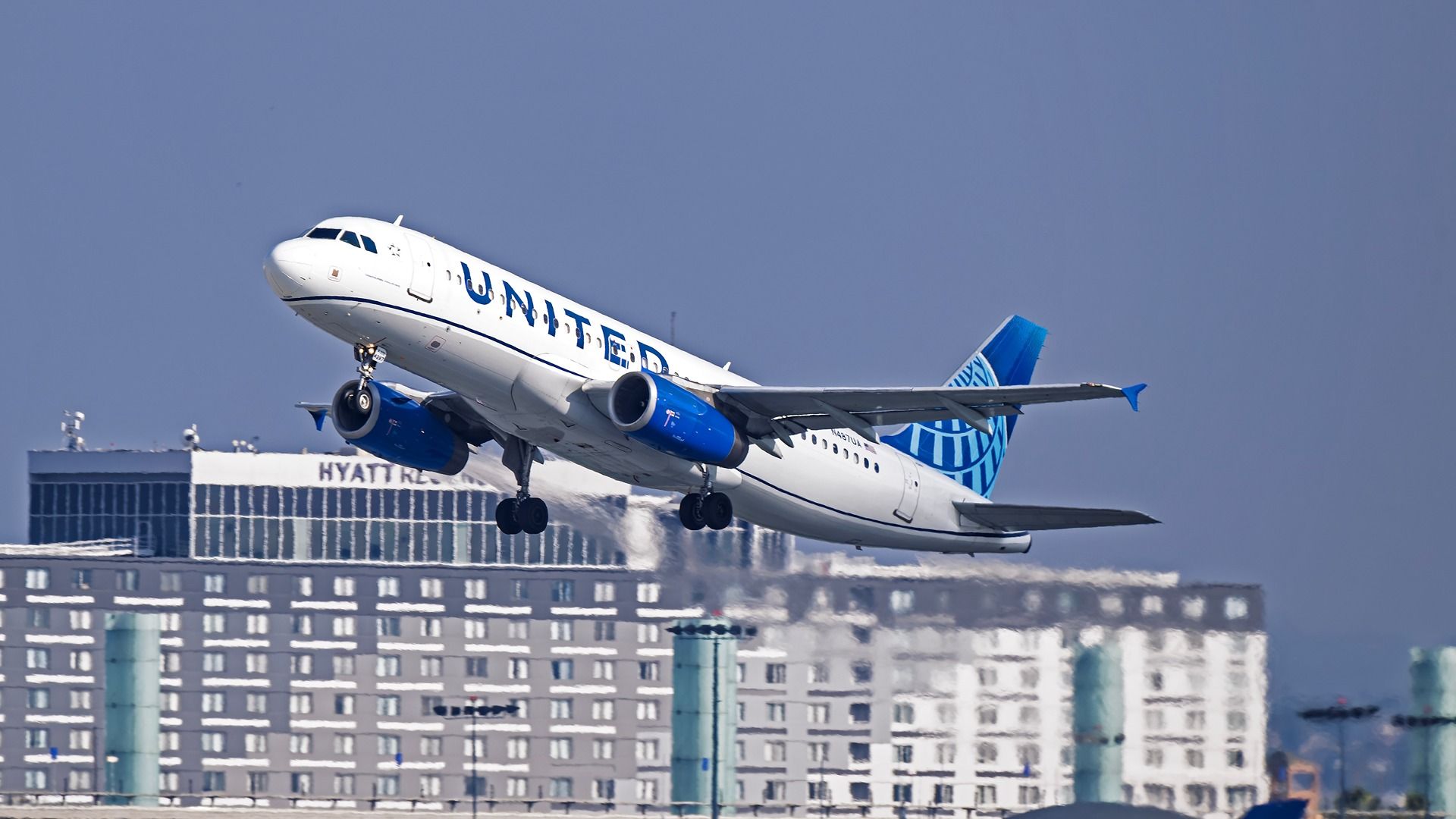
Major airlines in the United States are urging Congress to end a partial government shutdown that has persisted for 29 days. The Chief Executive Officers of key carriers have signed an open letter to Congress, advocating for the 50,000 Transportation Security Administration (TSA) airport security officers currently working without full pay. This ongoing situation has led to a notable increase in absences among TSA officers across more than 400 airports, resulting in significant staffing shortages at security checkpoints.
Travelers are now facing long lines that occasionally extend onto sidewalks, creating a frustrating environment at airports nationwide. The letter, signed by major carriers such as United Airlines, Delta Air Lines, Southwest Airlines, JetBlue, and Alaska Airlines, calls for immediate action to resolve the funding crisis affecting the Department of Homeland Security (DHS). The current deadlock in Congress, which began on February 14, 2024, stems from disagreements over immigration enforcement policies.
The letter emphasizes the urgent need for Congress to reach an agreement: “First, leaders should immediately come together to reach an agreement to fund the Department of Homeland Security. Then they need to act so this problem never happens again.” This plea follows a similar situation during a 43-day government shutdown last fall, which resulted in chaos at airports and a 10% reduction in flights at key U.S. airports.
The latest funding lapse has deeply affected TSA officers, leaving many without a stable income. In response, senators from both parties convened on Thursday to discuss proposals for funding the TSA. Alongside commercial airlines, senior executives from U.S. cargo carriers have also voiced their concerns, calling for legislation to protect aviation personnel and prevent future shutdowns.
Transportation Secretary Sean Duffy expressed optimism during an interview with Fox News, stating, “We are going to get through this; I think Democrats are going to come to their senses.” He criticized Democratic leaders for allegedly prioritizing immigration issues over national security, claiming they were “waiting for Americans to get hurt” before taking action.
As the spring break travel season approaches, the pressure intensifies. An estimated 171 million passengers are expected to travel during this period, representing a 4% increase compared to last year. Major airports, including Houston Hobby Airport (HOU), Austin Bergstrom International Airport (AUS), and Philadelphia International Airport (PHL), are already struggling to manage the influx of travelers, with lines stretching well beyond airport entrances.
The economic strain caused by the shutdown has led some TSA officers to seek alternative employment. Many are not reporting to work due to financial difficulties, while over 300 workers have resigned in search of more stable job opportunities. The expectation for TSA officers to continue working without pay during shutdowns has exacerbated the situation, forcing some to consider temporary jobs to manage their day-to-day expenses.
In a recent social media post, former President Donald Trump acknowledged the ongoing challenges, thanking those who continue to work despite the shutdown. He called on the “Radical Left” to support the recently approved congressional deal, urging workers to “GO TO WORK! I promise that I will never forget you!!!”
Amid these challenges, airport safety remains a critical concern. Following a recent incident where a man assaulted a TSA officer and a police officer after failing an identity check, U.S. Attorney for the Northern District of Texas, Ryan Raybould, reiterated the importance of maintaining a secure environment for travelers. He declared that aggression towards TSA staff would not be tolerated, and authorities would pursue justice for all victims of such assaults.
As Congress continues to grapple with the budget impasse, the impact of the shutdown on air travel and the livelihoods of TSA workers grows increasingly evident. Airlines, airport officials, and government leaders alike are under pressure to resolve the situation swiftly to restore normalcy in air travel operations across the country.