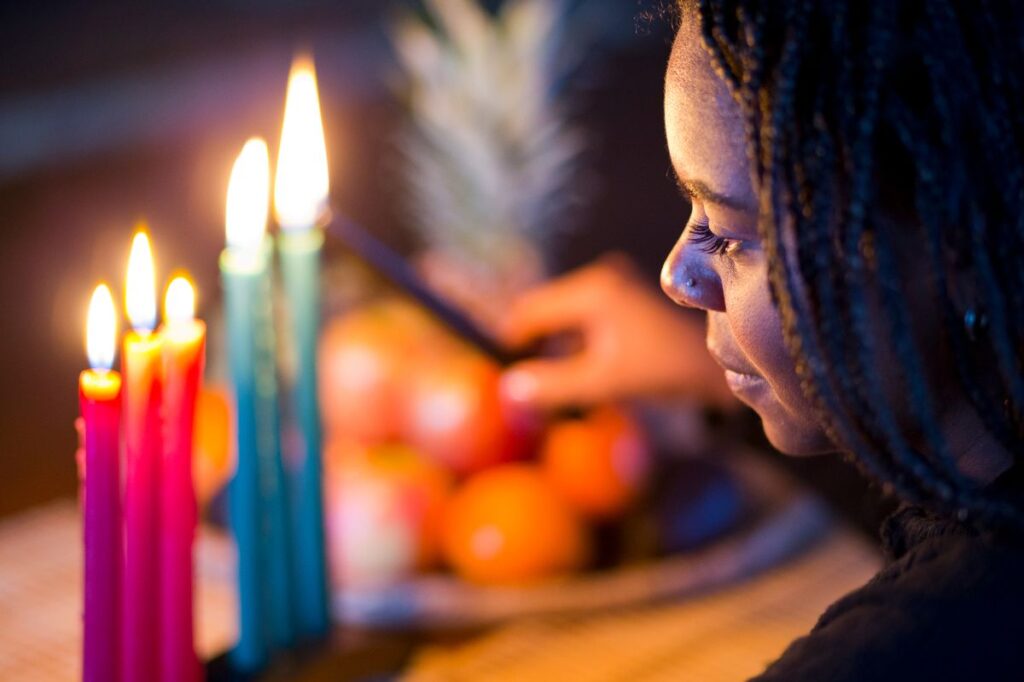
As the annual celebration of Kwanzaa approaches, communities across the globe are preparing to honor the values that form the foundation of this African American cultural holiday. Beginning on December 26, 2023, Kwanzaa is marked by the observance of seven guiding principles, each reflecting significant aspects of African heritage and community life.
Kwanzaa was first celebrated in 1966, created by activist Maulana Karenga as a way to promote cultural pride and revitalization among African Americans. Each day of the week-long festival focuses on one of the seven principles, known in Swahili as the Nguzo Saba. These principles serve as a reminder of the importance of community, family, and the collective strength of people working together.
Exploring the Seven Principles
The first principle, Umoja, emphasizes unity. It encourages individuals to strive for togetherness within their families and communities. The second, Kujichagulia, translates to self-determination, urging people to define themselves, speak for themselves, and create their own destiny.
Following these, Ujima highlights collective work and responsibility, advocating for collaboration to uplift the community. The principle of Ujamaa focuses on cooperative economics, promoting the importance of supporting Black-owned businesses. The fifth principle, Nia, encourages individuals to work towards a shared purpose, while Kuumba calls for creativity in all endeavors. Finally, the last principle, Imani, stands for faith, advocating for belief in oneself, the community, and the future.
This celebration is more than just a series of principles; it is a time for reflection, cultural reaffirmation, and community gatherings. Families often decorate their homes with symbols of Kwanzaa, such as the kinara, a candle holder that represents the seven principles, and the mishumaa saba, or seven candles, which symbolize the seven principles as well.
Community Engagement and Education
In recent years, Kwanzaa has gained wider recognition beyond African American communities, with educational initiatives aimed at informing the public about its significance. Various organizations, such as the National Museum of African American History and Culture, offer resources and programming to help people understand the cultural importance of Kwanzaa.
A recent study revealed that a significant number of Americans are unaware of the history behind Kwanzaa, highlighting the need for greater education on cultural celebrations. Events and workshops are being organized in various cities to ensure that the principles of Kwanzaa are shared and appreciated by all, fostering greater understanding and respect for African American heritage.
As Kwanzaa approaches this year, communities are reminded of the importance of these principles, not only during the holiday but throughout the year. With each passing year, the celebration serves as a beacon of cultural pride and unity, encouraging individuals to reflect on their heritage and their role within the community.