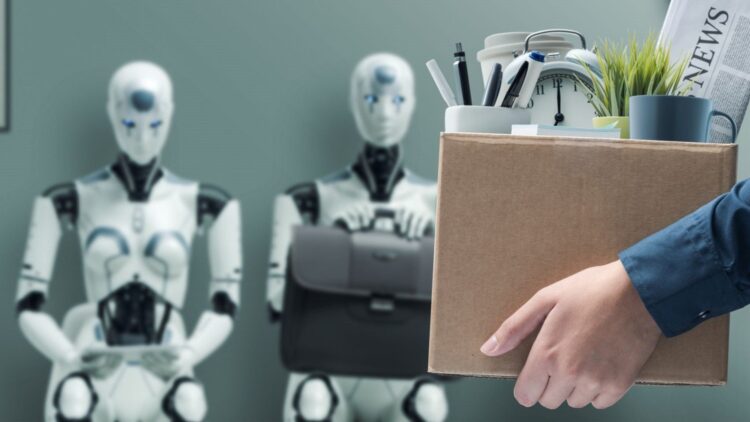
The rise of artificial intelligence (AI) is reshaping the employment landscape, prompting a significant discussion about which jobs remain secure from automation. According to findings from OpenAI and insights from labor experts, certain roles are less likely to be replaced by AI, highlighting the importance of human skills in the workforce.
In a rapidly evolving job market, AI technologies are increasingly being integrated into various sectors, raising concerns about job displacement. While automation threatens numerous positions, particularly in technology and creative fields, some jobs are deemed safer due to their reliance on uniquely human attributes.
Human Skills: The Key to Job Security
Experts emphasize that cognitive, social, and emotional skills are crucial for roles that AI cannot easily replicate. According to ChatGPT, a well-known AI language model, professions requiring creativity, ethical reasoning, and interpersonal skills are less vulnerable to automation. This perspective aligns with research from the World Economic Forum, which highlights the significance of emotional intelligence in managing complex workplace relationships.
Jobs within creative and artistic fields, such as those held by artists, writers, and designers, rely on decision-making processes and emotional nuances that AI cannot emulate. Although generative AI can produce content, it lacks the ability to lead artistic projects, as noted by Forbes. These roles necessitate a human touch that is essential for genuine creativity.
Hands-On Jobs and Specialized Trades
Positions that involve complex physical tasks and require real-time problem-solving are also less likely to be automated. Many specialized trades, such as electricians and plumbers, demand practical skills and adaptability that AI cannot provide. As industries continue to evolve, the ability to perform intricate tasks manually will remain a vital asset.
In the realm of leadership, strategy, and management, AI serves as an auxiliary tool rather than a replacement. ChatGPT indicates that while AI can assist in certain aspects, strategic decision-making and moral reasoning will remain firmly in human hands. Psychology Today supports this view, stating that although routine tasks might be automated, the intricate nature of leadership will continue to rely on human insight.
Roles Requiring Empathy and Ethics
Jobs that necessitate empathy, social understanding, and ethical responsibility are considered particularly resilient against AI encroachment. Professions such as social workers, geneticists, and community organizers demand a level of human connection and moral judgment that AI cannot replicate. These roles focus on the well-being of individuals and communities, underscoring the irreplaceable value of human interaction.
While certain fields like digital marketing, cybersecurity, and data analysis face the prospect of transformation due to AI, ChatGPT asserts that these roles will evolve rather than disappear. Mike Bechtel, Director of Futurology at Deloitte, reinforces this notion by stating, “It’s not about robots looking for work, but about tools that transform the world faster and better.”
As the integration of AI continues to advance, the conversation surrounding job security and the future of work becomes increasingly relevant. The emphasis on human skills and the unique attributes that individuals bring to their professions will play a crucial role in shaping the job market of tomorrow.
In conclusion, while AI technology presents both opportunities and challenges, understanding the characteristics that make certain jobs less replaceable is essential for workers navigating the changing landscape. The future of employment will likely hinge on the interplay between human skills and AI capabilities, ensuring a continued need for human involvement in many sectors.