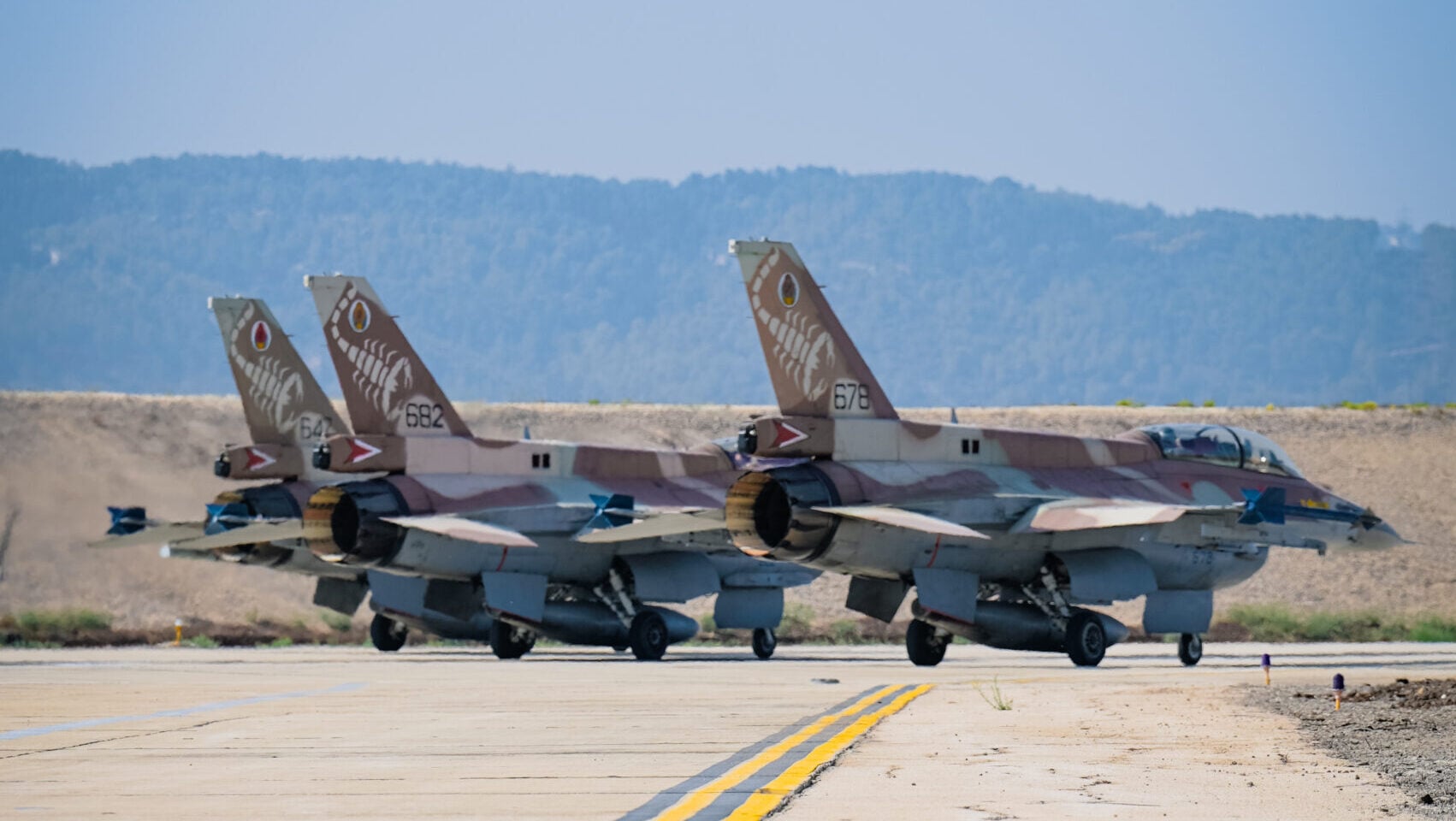
The Israeli Air Force (IAF) conducted a significant military operation against Iran, striking more than 500 targets with the deployment of 200 warplanes. This unprecedented action, labeled Operation Roaring Lion by Israel and Operation Epic Fury by the United States, marks a pivotal moment in Israeli military history, according to the Israel Defense Forces (IDF).
The IDF confirmed that the operation involved a coordinated effort to degrade what it described as the “Iranian terrorist regime,” aiming to mitigate existential threats to Israel over time. The first wave of strikes targeted various locations across Iran, including systems designed for aerial defense and missile launching capabilities. The IAF’s fighter jets delivered hundreds of munitions, focusing on approximately 500 objectives.
Details of the Military Operation
The extensive airstrike operation occurred on a scale unmatched in previous military actions by the Israeli Air Force. The IDF articulated that the planning and execution drew from high-quality intelligence, enabling synchronization of numerous fighter jets simultaneously. Videos released by the IDF showcased some of the targets, including a rocket launcher and a drone that posed a threat to Israeli territory.
Among the significant sites targeted was a military installation in Tabriz, used by the Iranian Surface-To-Surface Missiles Unit. The IDF highlighted that this location was pivotal for planning missile strikes aimed at Israeli civilians. Additionally, the air force reported the destruction of an advanced SA-65 aerial defense system situated in the Kermanshah area of western Iran.
Israeli Prime Minister Benjamin Netanyahu addressed the situation, urging various ethnic groups within Iran, including Persians, Kurds, and Balochis, to rise against what he termed tyranny. He called for their support in establishing a free and peace-seeking Iran, underlining the broader implications of the military actions.
Iran’s Response and Heightened Tensions
In anticipation of potential Iranian retaliation, Israel activated sirens nationwide shortly after 08:00 local time, issuing a “protective alert” to its citizens. The IDF’s Home Front Command advised individuals to remain near shelters, underscoring the heightened state of alert across the nation.
Shortly after the initial airstrikes, Iranian forces began launching ballistic missiles toward Israel, a barrage that continued throughout the day. In response to the evolving situation, the IDF has mobilized tens of thousands of reservists, preparing for various offensive and defensive scenarios.
The IDF announced a large-scale reinforcement of ground forces across multiple sectors and regional commands, alongside the deployment of special forces. The military’s Operations Directorate emphasized that these measures are crucial for maintaining readiness as the situation develops.
As tensions escalate, the international community watches closely, aware that these military actions could have significant ramifications for regional stability and security. The evolving conflict highlights the ongoing struggle and the complex dynamics in the Middle East, where military strategies and political statements intertwine.