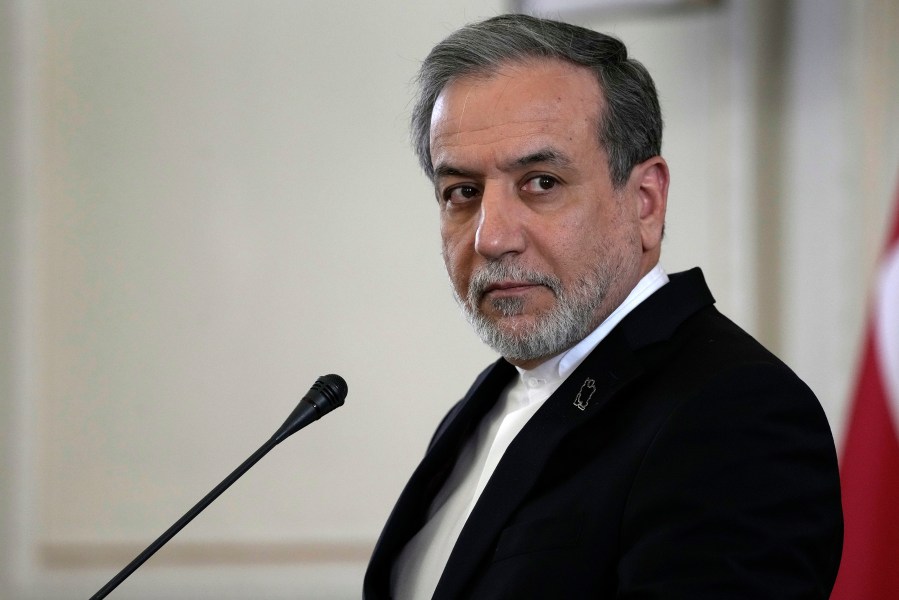
Iran’s Foreign Minister, Abbas Araghchi, made a definitive statement on September 24, 2023, asserting that Iran’s power lies in its capacity to reject demands from major world powers. His remarks came shortly after discussions with the United States concerning Iran’s nuclear program and in the context of ongoing nationwide protests within the country.
During a gathering with diplomats in Dubai, Araghchi emphasized that Iran’s strength is derived from its willingness to say “no” to external pressures. This stance reflects a broader strategy of resistance against perceived coercion by the West, particularly in light of the intense scrutiny surrounding Iran’s nuclear ambitions.
The ongoing negotiations over Iran’s nuclear program have faced significant challenges. After a temporary pause, talks aimed at reviving the 2015 nuclear deal have resumed intermittently. This agreement initially limited Iran’s nuclear activities in exchange for the lifting of economic sanctions. However, the deal has been jeopardized since the US withdrew from it in 2018, reinstating sanctions that have severely impacted Iran’s economy.
Araghchi’s comments come during a tumultuous period for Iran, marked by widespread protests that erupted in response to various domestic issues, including economic hardships and human rights concerns. The government’s ability to maintain control amid these protests is being closely monitored both domestically and internationally.
In his address, Araghchi reaffirmed Iran’s commitment to its sovereign rights, stating, “We will not bow to pressures.” His firm position underscores the Iranian leadership’s determination to navigate the complex geopolitical landscape without conceding to external demands.
The recent protests have also drawn attention to the Iranian government’s handling of dissent. The international community remains critical of Iran’s approach to civil liberties and human rights, with calls for accountability growing louder. Araghchi’s remarks suggest a strategy of defiance, aiming to galvanize support internally by portraying the regime as a bulwark against foreign intervention.
In conclusion, Abbas Araghchi‘s statements highlight Iran’s ongoing struggle to balance its nuclear ambitions with the pressures of international diplomacy, all while managing internal unrest. As negotiations continue, the global community watches closely, weighing the implications of Iran’s hardline stance on future diplomatic engagements.