A significant initiative to develop a commercial-scale clean hydrogen production hub in North Dakota is currently stalled due to shifting federal policies and the withdrawal of key partners. The **Heartland Hydrogen Hub**, intended to support the production of low-carbon nitrogen fertilizer, is facing uncertainty as the **U.S. Department of Energy (DOE)** has not issued new contracts amid changing priorities.
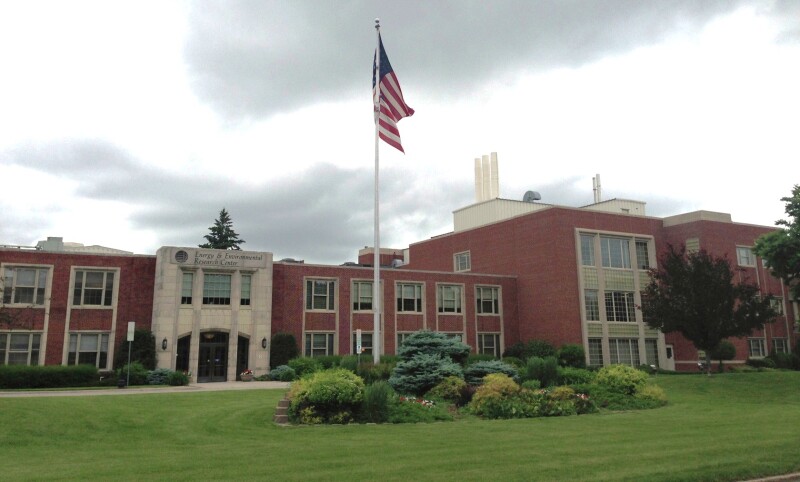
According to **John Harju**, vice president for Strategic Partnerships at the **University of North Dakota Energy and Environmental Research Center (EERC)**, the project has been hampered by the cancellation of **$2.2 billion** in funding for two West Coast hydrogen hubs by the DOE in October 2023. Concerns remain regarding the fate of the remaining five proposed hubs, including the Heartland hub.
The primary obstacle is rooted in conflicting policies between the DOE and the **U.S. Department of the Treasury**, particularly surrounding the **45V tax credit** aimed at supporting hydrogen production. Draft guidance released in December 2023 introduced new criteria that reduced incentives for planned projects. Harju stated, “There’s a lot of consternation regarding policy and with that, a lot of the capital is sitting on the sidelines, trying to decide where it should or shouldn’t go. If there was one word to describe where we are today, it would be ‘uncertain.’”
One of the critical challenges the Heartland Hydrogen Hub faces is the withdrawal of **Marathon Petroleum** as a partner. The company exited the project in July 2024, citing financial uncertainty resulting from the new draft guidance. This withdrawal has jeopardized plans for a **$2.5 billion** facility that was expected to receive approximately **$400 million** in funding.
Additionally, eligibility issues regarding tax credits for the hub’s energy sources have arisen. Facilities such as **Xcel Energy’s** nuclear plant and a wind farm in South Dakota were initially deemed ineligible due to the “incrementality” test, which excludes older facilities from qualifying for the tax credit. Although final guidance in January 2025 showed slight improvements, the wind farm still appears ineligible.
The ongoing ambiguity regarding tax credit guidelines, coupled with the federal government’s failure to provide clear direction, has complicated the process of securing commitments from commercial clients. The **Office of Clean Energy Demonstrations (OCED)**, responsible for administering the hydrogen hub program, has also faced challenges due to staff turnover and reorganization, resulting in delays for projects already chosen for funding.
The groundwork for the Heartland Hydrogen Hub was laid with the passage of the **Infrastructure and Jobs Act** in November 2021, which was based on the **Energy Policy Act of 2020**. This earlier legislation aimed to create hydrogen hubs across the U.S. to foster innovation and reduce greenhouse gas emissions. However, while the Energy Policy Act authorized significant funding, it did not allocate specific amounts annually, leading to uncertainty about actual funding levels based on congressional priorities.
Harju explains that the EERC began collaborating with various partners soon after the Infrastructure and Jobs Act passed. In September 2022, the DOE issued a Federal Opportunity Announcement inviting proposals for hydrogen hub projects. By November 2022, the EERC submitted a concept paper, which led to the development of a full proposal encouraged by the DOE in early 2023.
In April 2023, the EERC submitted a detailed proposal, which was followed by an interview process in August that involved extensive questioning from federal experts. In October 2023, the EERC was notified that it had been selected for an award, only for the subsequent draft guidance in December to introduce significant policy shifts.
As the situation unfolds, the Heartland Hydrogen Hub has been allocated **$20 million** to initiate Phase 1 activities, which include planning and community engagement. The hub is projected to enhance local hydrogen supply, reduce farmers’ costs, and decrease carbon dioxide emissions by **525,000 metric tons** annually, equivalent to over **120,000 gasoline-powered cars**.
Looking ahead, Harju remains optimistic despite the setbacks. The EERC is exploring replacement projects that align with regional strengths, such as leveraging North Dakota’s natural gas resources for hydrogen production and decarbonizing the steel industry in northern Minnesota. However, he emphasizes that the “clock is ticking” to advance these projects, as ongoing federal uncertainty continues to impede progress.
U.S. Senator **John Hoeven** has indicated that his office will collaborate with the EERC during the DOE’s review process to ensure effective use of taxpayer funds and to find a viable path forward for the North Dakota project. Meanwhile, U.S. Senator **Kevin Cramer** mentioned the establishment of an appeals process for hydrogen hub projects facing funding cuts, although the Heartland Hydrogen Hub has not received official notification regarding its status on this list.
As challenges mount, the EERC continues to seek clarity from federal authorities while aiming to secure the necessary support to move forward with this critical initiative.