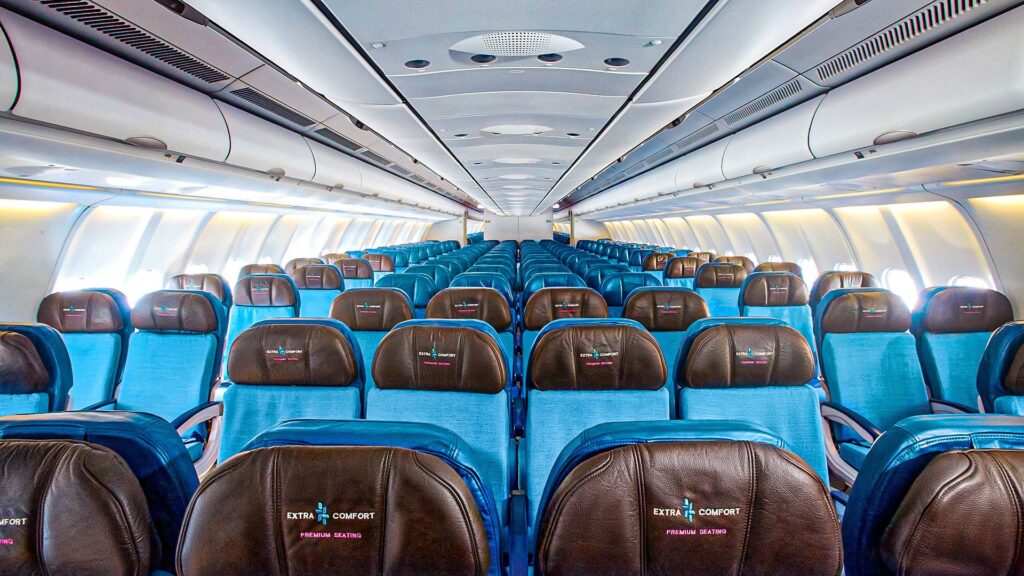
Hawaiian Airlines has announced plans to introduce a premium economy cabin, marking a significant shift in its service offerings. The airline, known for its hospitality and long-haul flights to Hawaii, will replace its Economy Comfort section with a dedicated premium economy space. This development is part of a broader strategy influenced by an ownership change and an upcoming fleet overhaul scheduled to begin in 2028.
Historically, Hawaiian Airlines has relied on Economy Comfort seats as a middle-tier option between economy and business class. These seats, which offer extra legroom, have been popular among leisure travelers. However, the airline’s strategy has evolved as it prepares to join the one world alliance on April 22, 2026. This alliance emphasizes the importance of premium offerings, making the introduction of a premium economy cabin a timely decision.
Enhancing Passenger Experience
The new premium economy section will feature four rows of wider recliner seats that promise a higher level of comfort compared to current Economy Comfort offerings. Hawaiian Airlines plans to enhance in-flight dining options, creating a more premium experience that appeals to travelers seeking comfort without the expense of business class.
While specific details about the seat manufacturer have yet to be released, industry standards suggest that the new seats will likely follow a 2-3-2 configuration and provide significantly more legroom and recline than standard economy seats. Such upgrades will allow Hawaiian Airlines to cater to a segment of travelers looking for more comfort on long flights, especially over the Pacific Ocean.
Strategic Fleet Modernization
The introduction of the premium economy cabin coincides with a comprehensive investment plan by the Alaska Air Group, which includes a complete interior renovation of Hawaiian Airlines’ Airbus A330 fleet starting in 2028. This refurbishment will introduce new seating, lighting, and modern finishes, including first-class suites and Bluetooth-enabled high-definition seatback screens.
Hawaiian Airlines has also announced plans to acquire three additional Airbus A330s under a lease agreement, further supporting its fleet’s capabilities across international routes. With a limited fleet size, efficient overhauls will be crucial to minimize downtime and maximize revenue generation.
The airline’s current business class configuration, which lacks modern amenities such as direct-aisle access, highlights the need for this upgrade. By introducing a premium economy option, Hawaiian Airlines aims to capture a broader market of price-sensitive yet comfort-oriented travelers.
Market Dynamics and Competitive Landscape
The airline industry has seen a growing demand for premium economy seating, which allows carriers to monetize comfort effectively. Hawaiian Airlines’ network, characterized by long-haul flights, is particularly suited to this model. Families and leisure travelers are likely to appreciate the enhanced offerings without the higher costs associated with business-class tickets.
As Hawaiian Airlines prepares to compete with legacy carriers on routes to Hawaii, the absence of a premium economy cabin has become increasingly apparent. The planned retrofit will align the airline’s offerings with industry standards and meet evolving consumer expectations.
The introduction of premium economy positions Hawaiian Airlines strategically within the competitive landscape, enabling it to reserve business-class inventory for high-yield travelers while appealing to those seeking a more comfortable flight experience.
In conclusion, Hawaiian Airlines is taking significant steps to broaden its service offerings and enhance revenue potential. By introducing a premium economy cabin, the airline can better cater to a market eager for more comfort during long flights, potentially transforming its competitive stance in the aviation industry. The success of this initiative will depend on effectively marketing the new cabin and ensuring consistent occupancy at profitable price points.