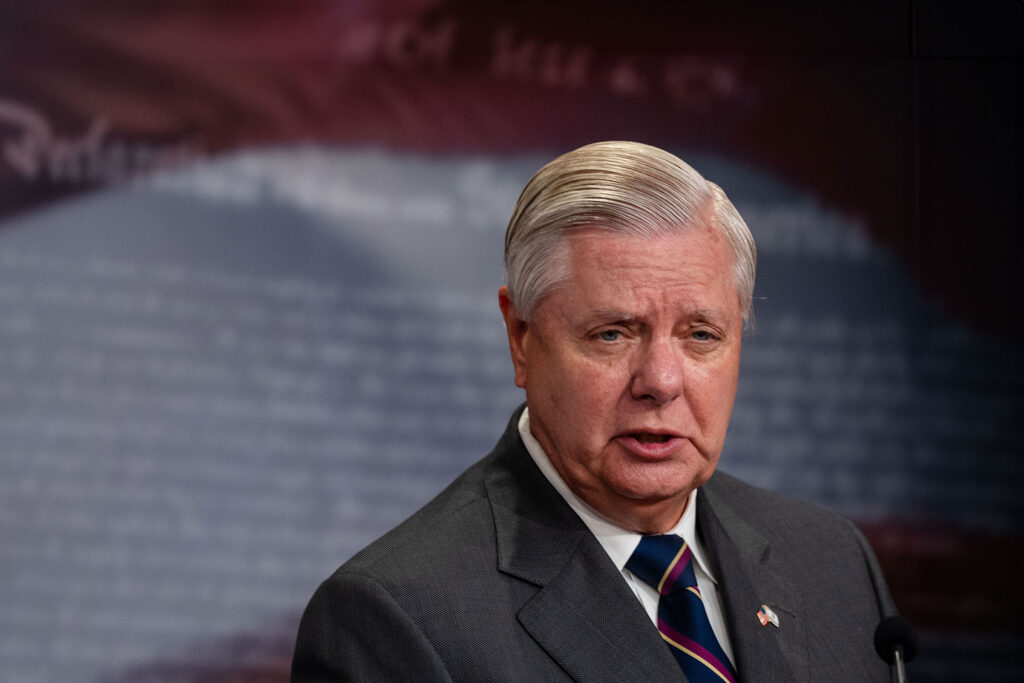
In a significant escalation of rhetoric, Senator Lindsey Graham of South Carolina has urged the Cuban government to prepare for possible relocation. This statement follows a heightened military posture in the Caribbean, particularly after a recent U.S. invasion of Venezuela. Graham’s comments were delivered via social media, where he advised the Cuban leadership to “start house-hunting.”
Threats and Responses Intensify
Graham’s remarks came in reaction to a post made by former President Donald Trump on Truth Social. Trump warned that Cuba could soon lose its oil imports from Venezuela unless it engages in negotiations with the United States. “Cuba lived, for many years, on large amounts of oil and money from Venezuela…BUT NOT ANYMORE!” Trump stated emphatically. He further declared, “THERE WILL BE NO MORE OIL OR MONEY GOING TO CUBA – ZERO!”
This tough talk from Republican leaders reflects a broader strategy aimed at reshaping U.S. foreign policy in the region. Following the military actions in Venezuela, Cuba has emerged as a key focus for U.S. officials, who have not shied away from discussing potential military intervention.
U.S. Officials Discuss Military Options
During a recent appearance on the program “Meet the Press,” Marco Rubio, Secretary of State and longtime critic of the Cuban regime, was questioned about the potential for an invasion of Cuba, located just 90 miles from Florida’s coast. While he acknowledged the challenges posed by the Cuban government, Rubio declined to directly address military strategies, stating, “I’m not going to talk to you about what our future steps are going to be or what our policies are going to be.”
He did not hesitate to express his disapproval of the Cuban leadership, underscoring that the regime is regarded as a significant issue by U.S. officials. “The Cuban government is a huge problem,” he confirmed, indicating an alignment with Graham’s aggressive stance toward the island nation.
As the situation evolves, the implications for U.S.-Cuba relations remain uncertain. The Trump administration’s willingness to use military threats as a tool for diplomacy marks a pivotal moment in the history of American foreign policy in Latin America. Observers are now left to consider how far these threats will escalate and what impact they may have on the Cuban populace, who continue to face economic hardships.
The developments in this ongoing narrative serve as a reminder of the volatile nature of international relations in the region, as the U.S. government seeks to assert its influence and counter perceived threats from neighboring countries.