In a thought-provoking piece, Haitian poet Muriel Vieux addresses the stark contrasts in daily living experiences between affluent nations and those struggling with poverty. On December 18, 2025, Vieux shared her reflections on social inequality, highlighting how many in wealthy countries remain unaware of the privileges they enjoy, often taking basic services for granted.
Vieux draws attention to the absence of social safety nets in Haiti, noting the lack of unemployment benefits, retirement plans, and healthcare programs like Medicare and Medicaid. She emphasizes that many families face dire situations, including having to place their children in orphanages due to financial constraints. This grim reality starkly contrasts with the everyday conveniences that people in wealthier nations often overlook.
Everyday Privileges and Global Inequities
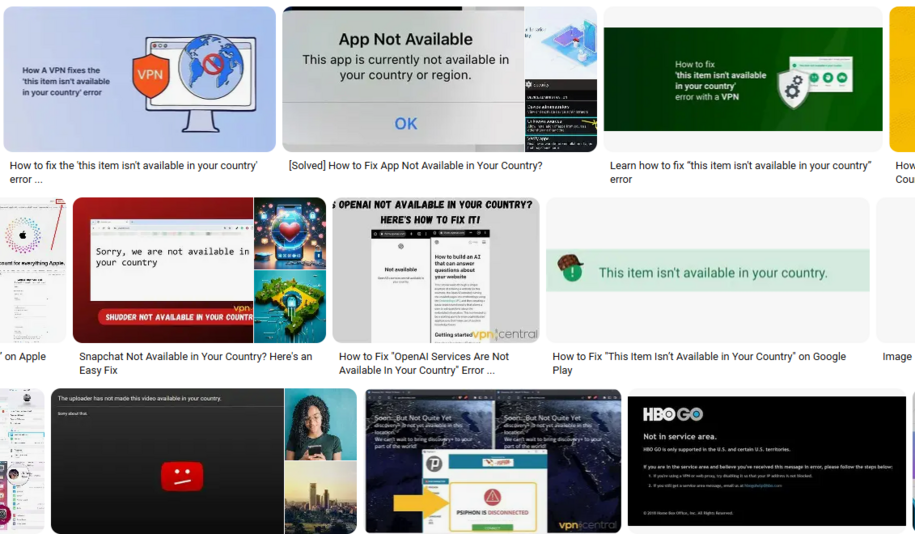
Vieux challenges readers to reconsider their assumptions about modern conveniences. She mentions popular financial services such as Zelle, Cash App, and Venmo, which are not available in Haiti. In her words, “Those e-wallets you’re so fond of are simply not here.” The poet articulates frustration over being unable to access the same streaming and gaming services that many take for granted, stating, “If we had a dollar for every ‘not available in your country’ pop-up, I’d almost be a millionaire.”
The poet also addresses the impact of international political decisions on everyday lives. For instance, when the United States blocks fuel shipments from Venezuela, it may seem like a mere political maneuver to some. Yet, for those in the Caribbean islands awaiting fuel for hospitals, it represents a struggle for survival. Vieux urges readers not to view such events as distant news but rather as critical issues affecting human lives.
Confronting Perceptions and Encouraging Empathy
Vieux’s commentary is a call for empathy and awareness. She expresses her frustration with those who criticize her choices to use services like PayPal or shop on Amazon, implying that such criticisms come from a place of privilege. “Don’t you dare pretend it’s some kind of moral failure on my part not to participate in your boycotts,” she writes, emphasizing that many who advocate for these boycotts do not contribute to the very communities they claim to support.
The poet’s reflections resonate with a growing movement advocating for greater awareness of global inequalities. By sharing her experiences, Vieux seeks to bridge the gap between those living in comfort and those facing daily struggles. Her message is clear: understanding and acknowledging privilege is crucial in fostering a more compassionate world.
As Vieux concludes, small donations can make a significant difference. She provides her PayPal link for those who wish to support Haiti in its ongoing challenges, reinforcing her commitment to her homeland while inviting others to join her cause. “Small donations go a long way,” she states, reminding readers of the power of collective action in addressing systemic inequalities.
Through her poignant words, Muriel Vieux not only highlights the disparities between rich and poor nations but also calls for a deeper understanding of our interconnected world. Her insights encourage a reevaluation of how privilege shapes our perceptions and responsibilities toward others.