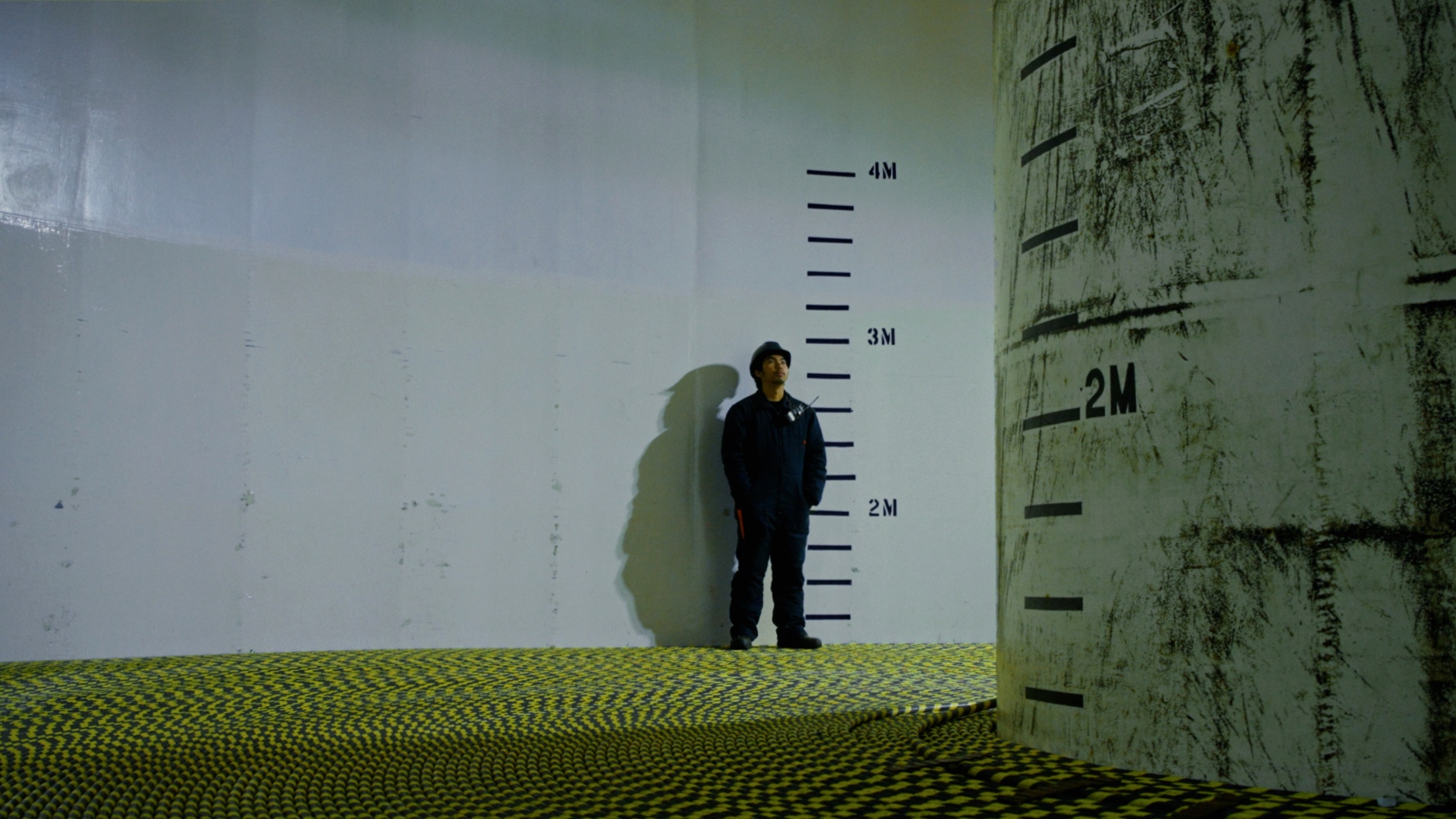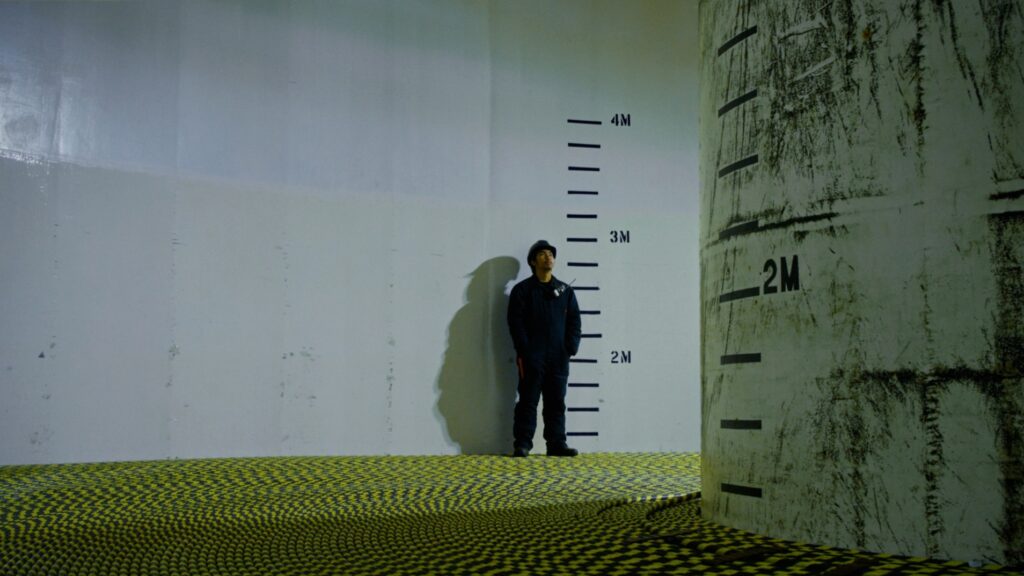
A new documentary titled Arctic Link will premiere on March 16, 2024, at the CPH:DOX festival in Copenhagen, showcasing the profound impact of internet connectivity on remote communities. Directed by Ian Purnell, the film captures the monumental task of laying fiber optic cables in the Arctic Ocean, illustrating both the technological marvel and the human stories behind this endeavor.
The documentary features a colossal ship that transports thousands of kilometers of fiber optic cable, as described in the film’s synopsis. “In the Arctic Ocean, a colossal ship drifts along, while thousands of kilometers of fiber optic cable slide from the deck into the dark depths of the sea,” the synopsis conveys. This ambitious project has been a decade in the making, reflecting Purnell’s commitment to highlighting the unseen infrastructure that connects the world.
According to the CPH:DOX website, Arctic Link is characterized by its grand scale, featuring impressive visuals and a powerful sound design. Purnell aims to juxtapose the looming digital change with the experiences of the ship’s Filipino crew members, who find themselves isolated from their homeland, relying on their cell phones for communication. “When I first discovered a map of the world’s submarine cables, the internet suddenly took on a physical shape,” Purnell explained in his director’s statement. This realization propelled him to explore the hidden routes of the internet and the people involved in constructing these connections.
The film’s production involved significant collaboration, with Franziska Sonder serving as producer and Marie Zahir providing cinematography. The editing was handled by Chris Wright, while sound and music were created by Tobias Koch, ensuring that the documentary not only informs but also captivates its audience.
Purnell’s journey to create Arctic Link was fraught with challenges, including gaining access to the ships involved in laying the cables. “It turned out to be a very difficult exercise to build relationships with these companies,” he noted. Various obstacles, including weather conditions and the COVID-19 pandemic, delayed his plans but ultimately led to a successful collaboration with the crew.
The challenges extended beyond logistics; filming in remote areas without internet access required building rapport with local communities. Purnell found that the residents of the Alaskan island had a nuanced understanding of the internet’s potential impact. “They weren’t innocent. They knew what it was and would bring, but they also could see it from an outside perspective,” he commented. Conversations about the internet arose naturally, as the arrival of the ship was a tangible event for the islanders.
With a focus on aesthetics, Purnell sought to portray the internet in a way that transcends typical imagery of servers and keyboards. He wanted to create a new visual connection to the internet, which led to innovative representations, such as likening the cable to a snake. “We really tried to make inanimate infrastructure feel alive,” he explained, emphasizing a desire to evoke an emotional response from the audience.
The filmmaking process aimed to transform the invisible nature of the internet into something visually arresting. Purnell acknowledged that the challenge lay in illustrating something that is often overlooked, allowing viewers to engage with the multitude of stories tied to internet connectivity.
As for the future, Purnell is already considering his next project. He has begun research on topics related to astronomy, particularly black holes. “What fascinates me is the image of a black hole, because it’s something that is not possible to capture in an image,” he mentioned. His interest in exploring signals and waves, whether related to the internet or outer space, indicates a continued focus on themes of connection and the unseen forces that shape our world.
With its unique perspective and ambitious scope, Arctic Link promises to be a thought-provoking exploration of how the internet reshapes life in remote communities, highlighting both the opportunities and challenges that come with digital expansion.