Federal agencies are intensifying their investigation into alleged fraud schemes involving daycare centers in Minnesota. This action follows a viral video featuring independent journalist Nick Shirley, who claimed that Somali-run daycare centers received government funding without adequately caring for children. In response, the FBI and other federal personnel have deployed to Minneapolis to assess and dismantle these purported schemes.
FBI Director Kash Patel stated that agents were already in Minnesota to address significant fraud activities before Shirley’s video surfaced late last week. Patel noted that the Bureau recently dismantled a fraudulent operation that misappropriated $250 million in federal food aid intended for vulnerable children during the pandemic. This investigation culminated in 78 indictments and 57 convictions. He emphasized, “The FBI believes this is just the tip of a very large iceberg,” indicating the agency’s commitment to uncovering the full extent of the fraud.
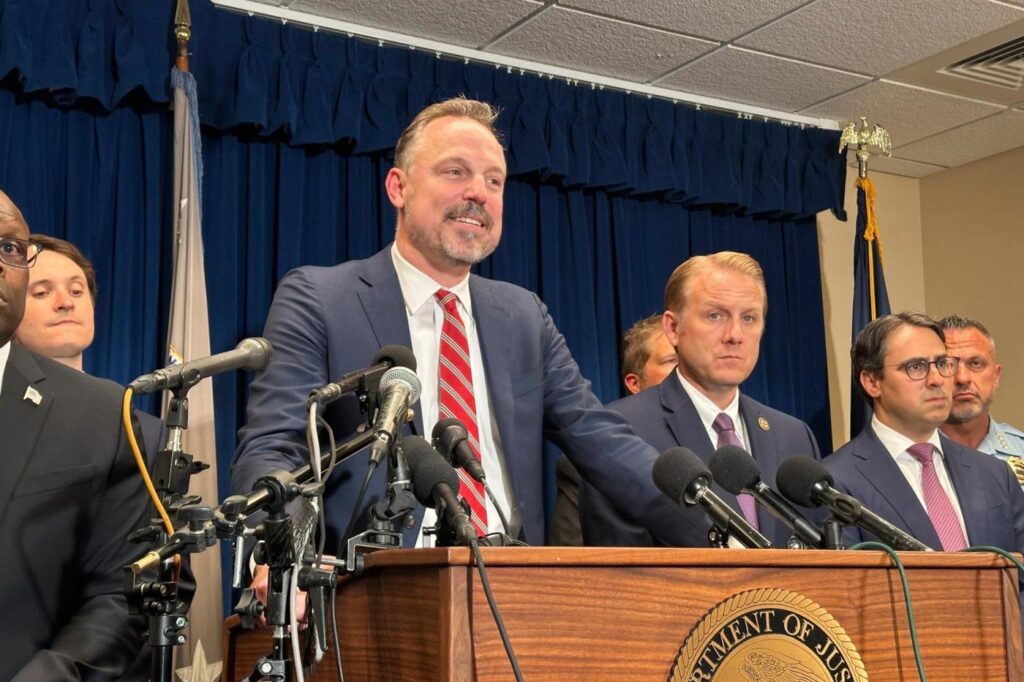
In conjunction with the FBI’s efforts, agents from the Department of Homeland Security have begun visiting the suspected sites of fraud in Minnesota. Recent comments from Joe Thompson, the First Assistant U.S. Attorney, revealed alarming figures. He noted that the state had flagged 14 high-risk Medicaid programs, suspending payments and ordering a third-party audit due to concerns over their legitimacy. Thompson stated that these programs have cost the government an estimated $18 billion since 2018, with indications that more than half of that amount may be tied to fraudulent activities.
“The fraud is not small. It isn’t isolated. The magnitude cannot be overstated,” Thompson remarked during a recent press conference. He described the situation in Minnesota as “staggering industrial-scale fraud,” raising serious questions about the integrity of state-funded programs.
Among the defendants in these fraud schemes is Abdinajib Hassan Yussuf, aged 27, who allegedly received $6 million in Medicaid funds based on fraudulent claims for a program that provides therapy for children with autism. Allegations suggest that Yussuf paid kickbacks to parents in the Somali community to have their children diagnosed with autism spectrum disorder to enroll them in his program. Additionally, two other defendants reportedly traveled from Philadelphia, drawn by the promise of “easy money,” to claim $3.5 million in fraudulent Medicaid payments.
In light of the allegations raised by Shirley’s video, the Minnesota Department of Children, Youth, and Families, led by Commissioner Tikki Brown, has acted to ensure compliance with regulations. Brown confirmed that inspectors visited the daycare centers featured in the video within the last six months and found children present, dismissing claims of neglect. She emphasized that several centers have been under ongoing investigations, with no evidence of fraud uncovered thus far.
While some experts express caution regarding Shirley’s claims, there is a consensus on the significant fraud problem in Minnesota. Chris Edwards, a federal budget expert at the Cato Institute, remarked, “It’s huge. Minnesota is not a big state, and this is a lot of money for a fairly small state.” He pointed to inherent vulnerabilities in state-administered federal aid programs, suggesting that the combination of automated claims processes and the sheer size of these programs creates an environment prone to fraud.
Edwards advocates for a restructuring of funding responsibilities, suggesting that states should manage welfare programs independently. He believes this would encourage more prudent spending practices, as states are obligated to balance their budgets. “The state policymaker, whether Republican or Democrat, knows that if spending is going up rapidly on some program, they’ve got to trim other programs,” he noted. Edwards proposed that lessons learned from the Minnesota investigation could be applied to other states to mitigate similar patterns of abuse.
As investigations continue, the implications of these findings may extend well beyond Minnesota, prompting a reevaluation of oversight practices in federal aid programs across the United States.