In late August 2023, a supermarket worker in a quiet Irish seaside town sparked a significant protest against Israeli goods when he refused to sell produce sourced from Israel. Disturbed by images of destruction in Gaza, where over 60,000 Palestinians had reportedly died due to Israeli military actions, the employee raised awareness among customers about the origins of certain products. His protest, which began with warnings and escalated to outright refusal to handle Israeli goods, led to his suspension from Tesco. This incident has become emblematic of a broader movement across Europe pushing for boycotts of Israeli products.
The worker’s actions resonated with many, resulting in protests outside Tesco locations, particularly in Newcastle, County Down. This local dispute raised essential questions about individual employees’ ability to express moral outrage and engage in workplace actions. Following public backlash, Tesco reinstated the employee in January 2024, assigning him to a role that does not involve handling Israeli goods. He encouraged other workers to follow suit, emphasizing the importance of collective action against what he termed ongoing genocide in Gaza.
Growing Boycott Movements Across Europe
Across Europe, unions in countries like Ireland, the UK, and Norway are increasingly advocating for an end to trade with Israel. Several retail cooperatives, including Co-op UK and Italy’s Coop Alleanza 3.0, have removed selected Israeli products in response to the conflict in Gaza.
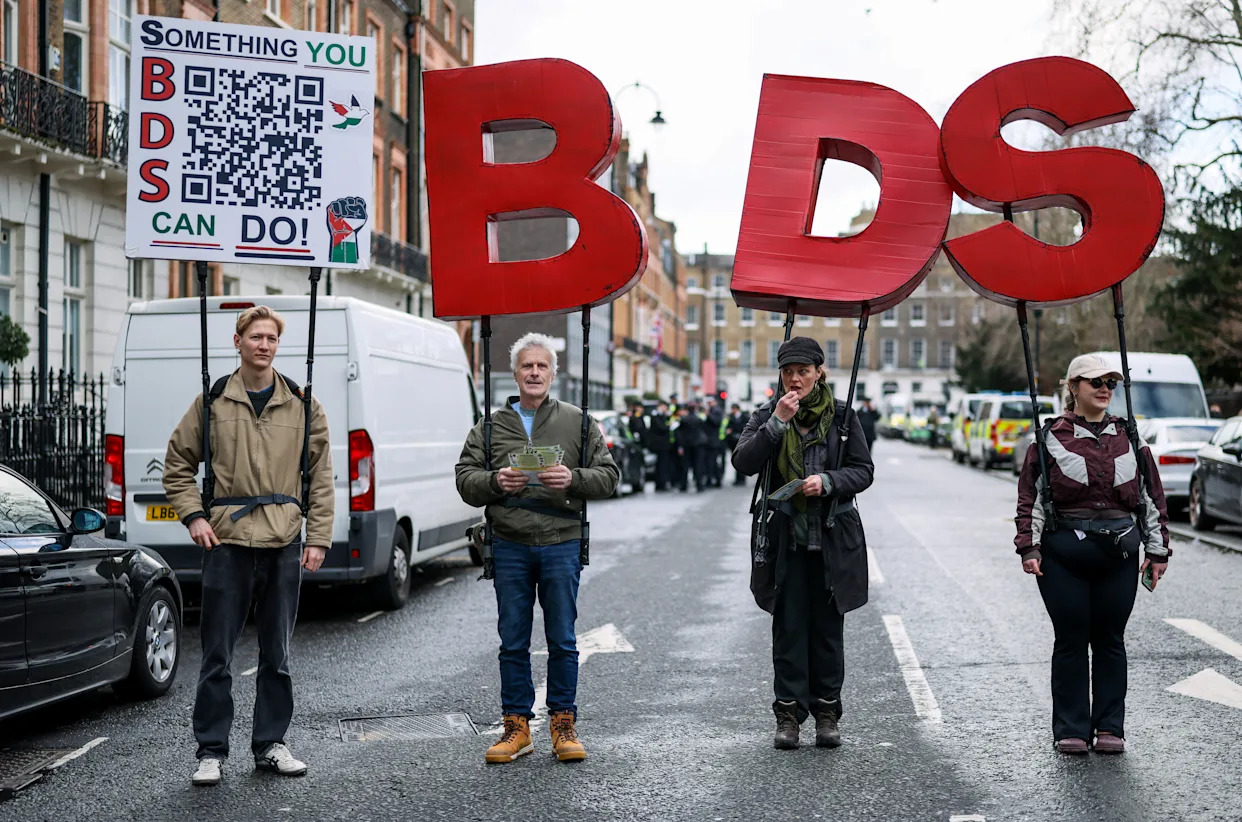
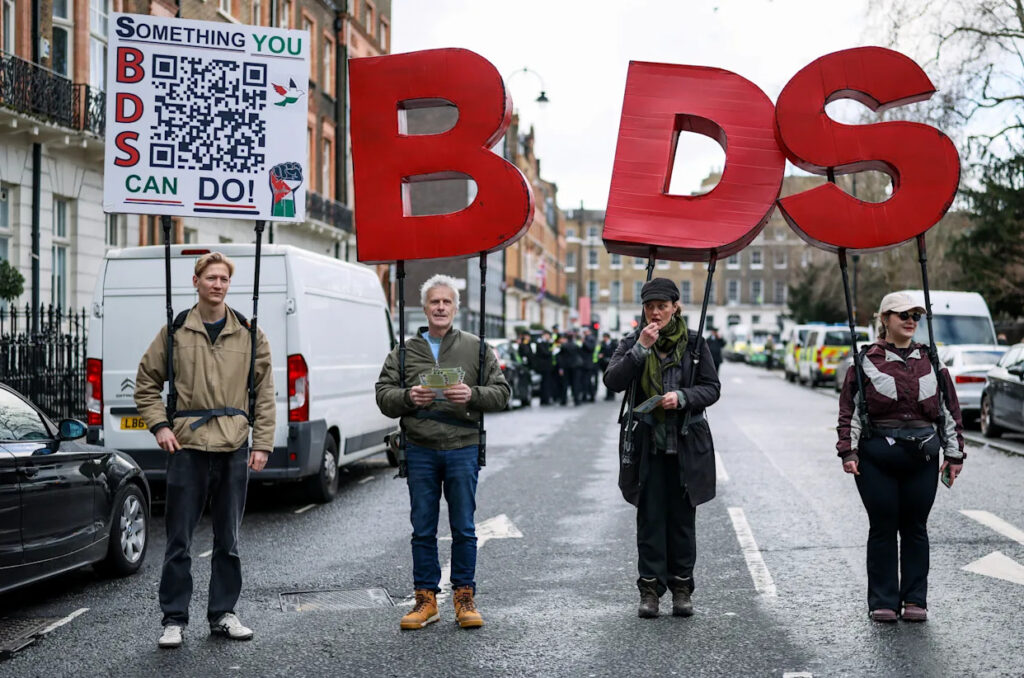
Activists draw parallels to historical labor movements, such as the 1984 boycott of South African goods by Dunnes Stores workers, which contributed to Ireland’s eventual ban on trade with apartheid South Africa. Damian Quinn from BDS Belfast remarked, “The same can be done against the apartheid, genocidal state of Israel today.” The BDS movement, initiated in 2005, calls for economic and cultural boycotts of Israel until it complies with international law, including ending its occupation of Palestinian territories.
Quinn further stated, “Where the state has failed in its obligation to prevent and punish the crime of genocide, citizens and workers across the world must refuse Israel and apply pressure on their governments to introduce legislation.” The movement seeks to target not only Israeli products but also institutions and companies that violate Palestinian human rights.
Political Actions and Legislative Developments
Supporters of the boycott strategy believe it is beginning to influence state policies in Europe. In August 2025, Slovenia’s government banned imports of goods produced in Israeli-occupied territories, making it one of the first European nations to enact such legislation. Spain followed later that year with a decree prohibiting imports from illegal Israeli settlements, which took effect in January 2026. Both countries’ centre-left governments have criticized Israel’s actions during the ongoing war, facilitating these legislative measures.
In the Netherlands, protests on university campuses and broader public demonstrations in 2025 have shifted political discourse, with calls for national policy changes including a ban on imports from illegal Israeli settlements. Meanwhile, Ireland is pushing forward with its Occupied Territories Bill, which seeks to prohibit trade in goods from illegal settlements. Despite unanimous support in the Dail, Ireland’s lower house of parliament, progress on the bill has stalled, with Paul Murphy, a pro-Palestine member of parliament, attributing the delays to “indirect pressure from Israel routed through the US.”
Opposition to these initiatives comes from pro-Israel organizations such as B’nai B’rith International, which argues that the BDS movement poses risks to US companies operating in Ireland. In July 2025, the organization submitted a memorandum to Irish lawmakers warning that the Occupied Territories Bill could conflict with US federal anti-boycott laws. The memorandum highlighted concerns regarding potential legal repercussions for US companies engaged in trade with Ireland.
Critics suggest these interventions reflect coordinated efforts to influence European policymaking regarding Israel and Palestine. Reports indicate that the Israeli government has also been actively countering BDS campaigns across Europe. Leaked documents suggest that Israel funded a covert program to monitor boycott-related movements, employing law firms to investigate critics of Israeli policy.
Former Sinn Fein MEP Martina Anderson, a supporter of the BDS movement, accused Israeli advocacy organizations of attempting to silence dissenting voices. “I am proud to have been a thorn in the side of the Israeli state and its extensive lobbying machine,” she stated, emphasizing her commitment to Palestinian rights.
The pushback against the BDS movement has also taken legislative form. In 2019, Germany’s parliament adopted a non-binding resolution condemning the movement as anti-Semitic and called for withdrawing public funding from groups that support it. This resolution has been criticized for conflating legitimate criticism of Israel with anti-Semitism.
In the UK, pro-Israel advocacy organization European Leadership Network (ELNET) has actively supported legislative measures aimed at countering BDS initiatives. This includes funding trips to Israel for Labour politicians and their staff, highlighting the close ties between political advocacy and legislative action.
The ongoing debates surrounding boycotts and trade with Israel are a reflection of a complex and evolving political landscape in Europe. As public sentiment shifts, the intersection of individual actions, labor movements, and state policies continues to shape the discourse surrounding Israel and Palestine.