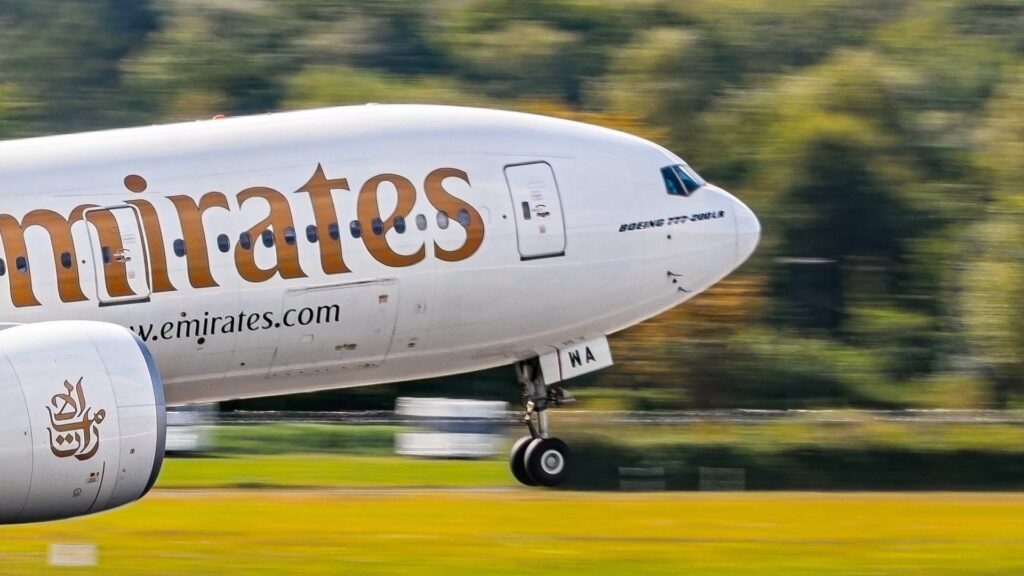
Emirates Airlines is set to implement significant changes to its U.S. flight network, introducing daily services on the Boeing 777-200LR to Seattle starting March 29, 2026. This adjustment comes as the airline transitions from the larger Boeing 777-300ER, which has been serving the route. The shift marks the longest nonstop service operated by the 200LR, surpassing the fifth freedom route between Barcelona and Mexico City.
The new configuration will result in the removal of first-class cabins on the Seattle route, decreasing overall capacity by approximately 8%. This change means that Emirates will offer 126,840 round-trip seats to and from Seattle during the upcoming summer season, down from a previously planned 137,600 seats. The impact of this adjustment signifies a strategic response to fluctuating passenger demand, as the airline aims to optimize its service offerings.
Flight Frequency and Historical Context
Emirates has maintained a presence in Seattle since March 2012, primarily using either the Boeing 777-200LR or the 777-300ER for its long-haul flights. Notably, the airline had previously scheduled up to two daily flights between 2015 and 2017, but this frequency has been adjusted in recent years. Between January and March 2026, Emirates will operate flights to Seattle six times weekly, returning to a daily schedule for the summer period. The 328-seat 777-300ER will continue its service until March 28, after which the 302-seat 200LR will take over.
Data from Cirium indicates that Emirates has completed 1,284 departures to Seattle since 2012, making the city the 13th most-served destination for the 200LR model. Throughout this period, the airline has consistently offered flights that connect passengers to a range of international destinations via Dubai, with India being the largest market for connecting traffic.
Passenger Demand and Future Outlook
According to the U.S. Department of Transportation, Emirates transported 141,200 round-trip passengers to Seattle from January to September 2025. However, the airline faced challenges, with an average load factor of only 73% across this period. Several months recorded load factors between 62% and 70%, highlighting a significant reduction in passenger uptake.
As the airline prepares for the upcoming winter season, the decision to downgrade to the 200LR reflects a broader trend of adjusting capacity in response to market demands. Booking data suggests that approximately three-quarters of passengers traveling from Seattle connected to other flights in Dubai. Notably, a substantial portion of these connections was to Indian cities, including New Delhi, Bengaluru, and Mumbai.
Emirates’ latest adjustments underscore the airline’s commitment to refining its operations in a competitive landscape while continuing to serve a vital transcontinental market. The changes to its Seattle route may serve as a bellwether for future strategies as the airline navigates ongoing shifts in international travel patterns.