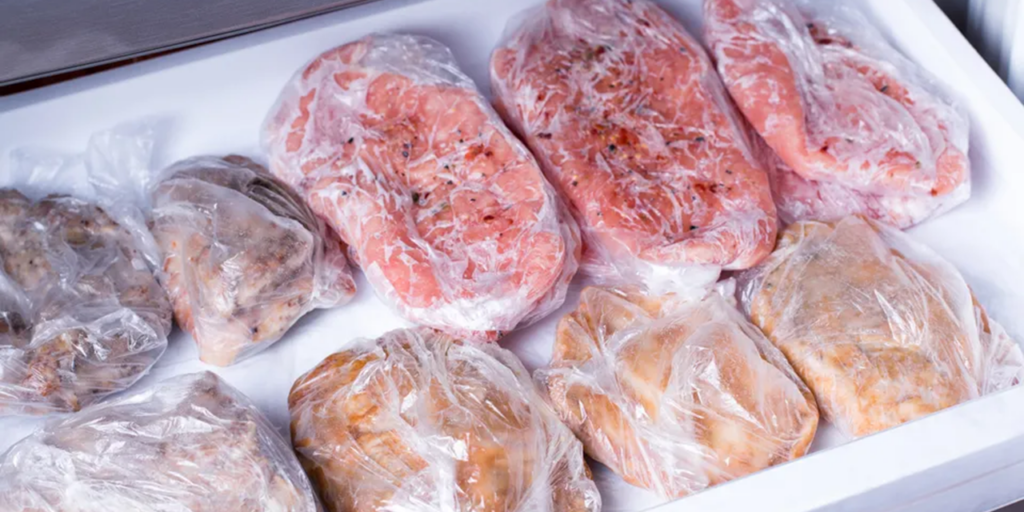
The European Food Safety Authority (EFSA) has conducted a comprehensive risk assessment examining the safety of meat under various storage and defrosting conditions. This assessment specifically evaluated how bacterial growth occurs in meat sourced from cattle, sheep, and pigs during the processes of chilling, storage, and defrosting.
The study analyzed five distinct scenarios, focusing on the proliferation of pathogenic, spoilage, and indicator microorganisms. This rigorous evaluation is designed to inform food safety practices and improve the understanding of how different handling methods impact meat safety. It is important to note that the assessment did not include steps taken after thawing at the level of food business operators.
Understanding Bacterial Growth in Meat
Bacterial growth in meat can pose significant health risks, making this assessment crucial for public health. The scenarios assessed by EFSA provide insights into how specific storage and defrosting conditions affect microbial development. By comparing the growth of various microorganisms, the study aims to identify conditions that could minimize health risks associated with meat consumption.
The findings from this assessment may serve as a foundation for future guidelines regarding meat storage and handling practices. As consumer awareness of food safety increases, such evaluations are essential in ensuring that meat products remain safe for public consumption.
Implications for Food Safety Regulations
The results of this assessment could influence food safety regulations and practices across Europe. By highlighting the conditions under which bacteria thrive, EFSA aims to provide actionable recommendations for food business operators. This could lead to improved guidelines on meat storage and defrosting, ultimately benefiting consumer health.
EFSA’s ongoing research into food safety demonstrates its commitment to protecting public health. As part of its mandate, the organization continues to evaluate risks associated with various food products, ensuring that safety measures keep pace with evolving industry practices.
In summary, the assessment by EFSA sheds light on the crucial factors affecting meat safety. As the organization moves forward with its research, the insights gained will play a vital role in shaping future food safety policies.