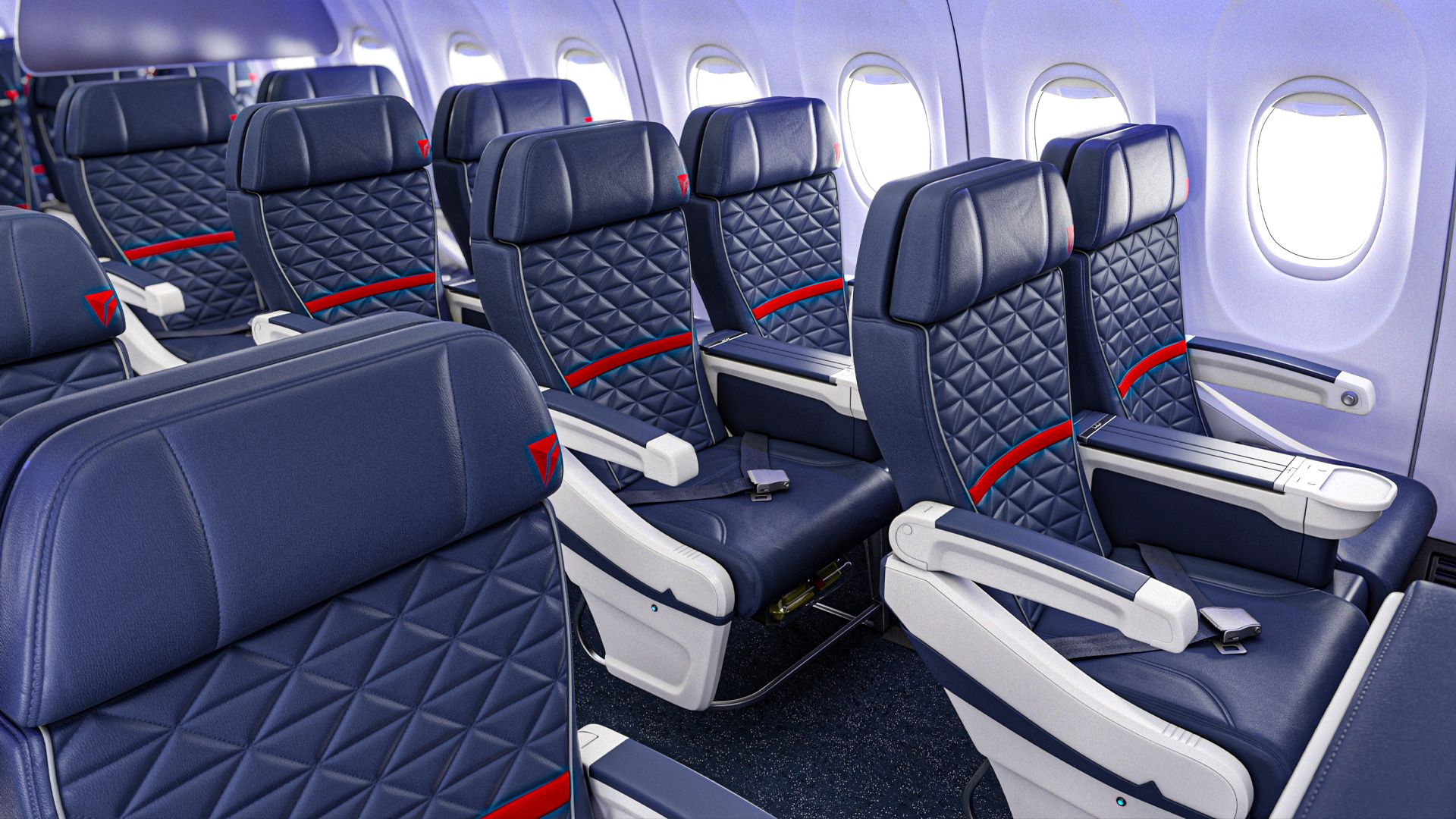
As travel preferences evolve, selecting the right seat on Delta Air Lines’ Boeing 737 fleet in 2026 is crucial for a comfortable journey. Delta’s 737-800 and 737-900ER models serve as the backbone of its domestic operations, accommodating everything from short regional flights to extended transcontinental journeys. Understanding which seats in first class, Delta Comfort+, and the main cabin offer the best experience can significantly enhance a passenger’s travel experience.
Understanding Delta’s 737 Cabin Configurations
Delta has made significant changes to its Boeing 737 fleet over the years. The airline has shifted focus from older variants to the more modern 737-800 and the stretched 737-900ER. The 737-800 typically features a standard layout with 16 first class seats and 144 main and Comfort+ seats, while the 737-900ER has a more fragmented configuration, offering various ratios of premium to standard seating depending on the specific aircraft variant.
The layout of these aircraft is essential when considering the best seats. For example, the 737-900ER may have up to 20 first class seats and 21 Comfort+ seats in its standard configuration, but some variants—particularly those acquired second-hand—may only have 12 first class seats and as few as 6 Comfort+ seats. This variability means that the best option on one aircraft may be absent on another.
Choosing the Optimal Seats
For the best experience, passengers should consider bulkhead seats in first class and exit rows in the main cabin. In first class, the first row is highly desirable, as it ensures no passengers reclining into personal space. Meanwhile, for those in the main cabin, rows 20 and 21 on the 737-900ER are prime choices, providing exceptional legroom that rivals some premium options.
Passengers flying in Delta Comfort+ enjoy an upgrade with up to 34 inches of pitch compared to the standard 30 to 31 inches in the main cabin, but should be aware that the first row in Comfort+ features a solid bulkhead wall, limiting under-seat storage during takeoff and landing.
While Delta’s interior refreshes have introduced modern slimline seating, leading to increased cabin density, these seats can feel firmer on longer flights. This makes selecting a seat with maximum pitch essential for comfort, especially during long transcontinental routes.
Frequent travelers on Delta’s fleet emphasize that while seat preferences can be subjective, certain rows consistently provide a better experience. For instance, passengers often aim for row one in first class or exit row seats 19 and 20 in the main cabin. However, row 15 on the left side of many 737-800 and 737-900ER aircraft should be avoided due to the air conditioning risers, which can obstruct window views.
Maximizing Comfort and Convenience
When booking, passengers should utilize the Delta app to check the specific seat map for their flight. The app provides crucial information on aircraft configurations, ensuring travelers can secure the best available seats. While the standard 737-800 is the most reliable option, offering consistent amenities such as power outlets and entertainment screens at every seat, the 737-900ER fleet can vary significantly.
Travelers connecting to long-haul flights benefit from a reliable in-flight experience. For example, a passenger flying from Atlanta to Seattle before continuing to Tokyo will find that row 21 on a standard 737-900ER is an excellent choice due to its spacious legroom, allowing for easier movement without disturbing seatmates.
However, specific rows come with disadvantages. Row 20 on the 737-900ER often lacks recline as it is situated directly in front of an exit path. Additionally, the mid-cabin exit door near row 21 may create colder conditions due to drafts, particularly on overnight flights.
Ultimately, the best strategy for travelers in 2026 is to prioritize the 737-800 for a consistent experience or seek out the 737-900ER variant that offers the most legroom. As Delta continues to upgrade its fleet with enhanced technology and increased comfort, passengers can expect a more uniform flying experience. Until then, a quick check of the seat map before departure remains the most effective way to avoid discomfort and ensure a pleasant journey.