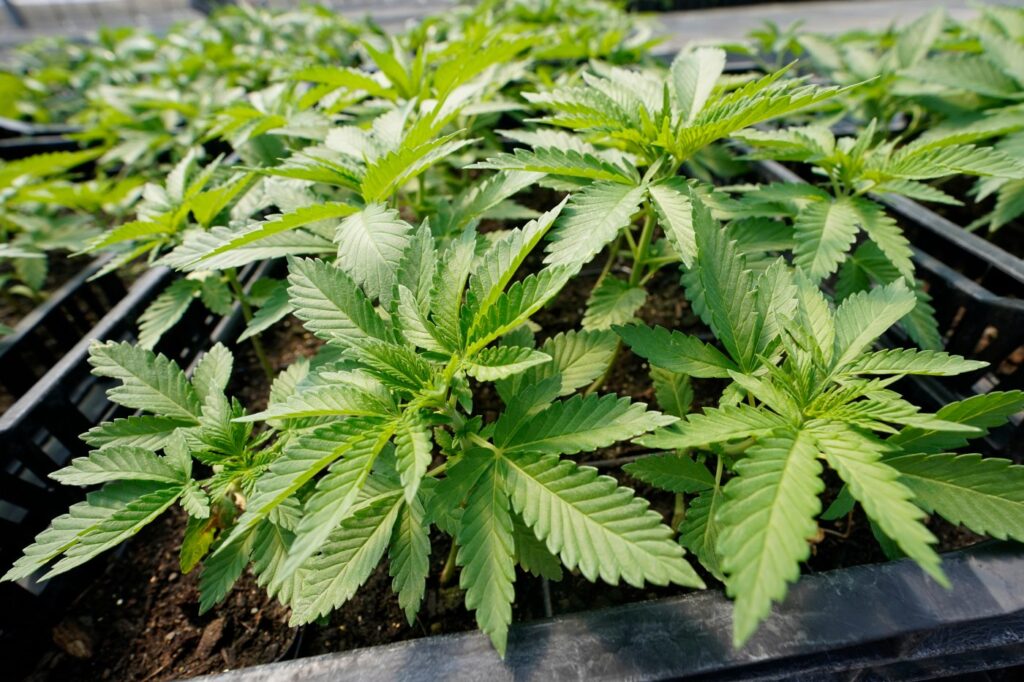
Supporters of a recreational marijuana proposal in Florida are facing mounting legal challenges as they race against a February 1, 2024, deadline to gather the required signatures for ballot placement. The political committee, Smart & Safe Florida, has filed a lawsuit against Secretary of State Cord Byrd and his office, accusing them of failing to fulfill their legal obligations regarding the verification of petition signatures.
The committee claims that the number of valid signatures has not been updated on the state’s official website for over two months. As of February 1, Smart & Safe Florida needs at least 880,062 valid signatures to place the constitutional amendment on the November ballot, which would allow adults aged 21 and older to use recreational marijuana. Currently, the Secretary of State’s website indicates that only 675,307 valid signatures have been submitted, a figure that has remained unchanged since November 23, 2023.
Legal Action and Impending Deadline
The lawsuit, filed in Leon County Circuit Court, seeks a court order to compel Byrd’s office to provide timely updates on the valid petition signatures. The committee argues that without these updates, they cannot effectively strategize their resources to meet both statewide and congressional district signature requirements.
“Without timely reported data from the state, Smart & Safe is essentially flying blind as to its ballot placement status,” the committee’s legal team stated. Florida law mandates that election officials begin publicly posting updated numbers of valid signatures weekly, starting from December 1, 2023, until the deadline.
Circuit Judge Jonathan Sjostrom has acknowledged the urgency of the situation, setting an expedited schedule for the case. He has requested additional legal briefs to be submitted by Friday, January 12, 2024. This legal battle unfolds alongside another lawsuit where Sjostrom found that state officials improperly invalidated approximately 42,000 petitions signed by inactive voters. In contrast, he upheld a directive to invalidate nearly 29,000 petitions collected by out-of-state petition gatherers.
Investigations and Allegations of Fraud
As these legal disputes intensify, the Office of Attorney General James Uthmeier has heightened its scrutiny of the petition-gathering efforts. Uthmeier announced a significant escalation in an ongoing fraud investigation related to the recreational marijuana initiative. His office has initiated 46 new criminal investigations into potentially fraudulent petitions, issuing subpoenas for records from Smart & Safe Florida and its associates.
The investigations have raised concerns about approximately 14,500 petitions connected to about 50 petition circulators. Uthmeier’s office has already arrested or issued warrants for nine circulators, with more arrests expected. The subpoenas aim to explore whether any organizational misconduct extends beyond individual circulators.
In response, Smart & Safe Florida maintains that it has been transparent about petition discrepancies and complies with state law by flagging any irregularities before submitting them to county election supervisors. The committee criticized Uthmeier’s office, asserting that their adherence to legal protocols should not be subject to scrutiny while noting that they hope the attorney general will apply the same rigor to ongoing investigations into other state programs.
As the February 1 deadline draws near, election supervisors in Florida are struggling to manage the influx of directives from Byrd’s office regarding petition invalidation. David Ramba, executive director of the Florida Supervisors of Elections association, described the current situation as chaotic, stating, “We’re literally going through boxes of the same petitions over and over again.” He emphasized the challenges posed by conflicting interpretations of the law amid ongoing court cases.
The Florida Supreme Court is also set to weigh in on the matter, with upcoming arguments scheduled for February 5, 2024, to determine if the proposed constitutional amendment meets the requirements for ballot placement. The outcome of this legal battle could have significant implications for the future of recreational marijuana use in the state.