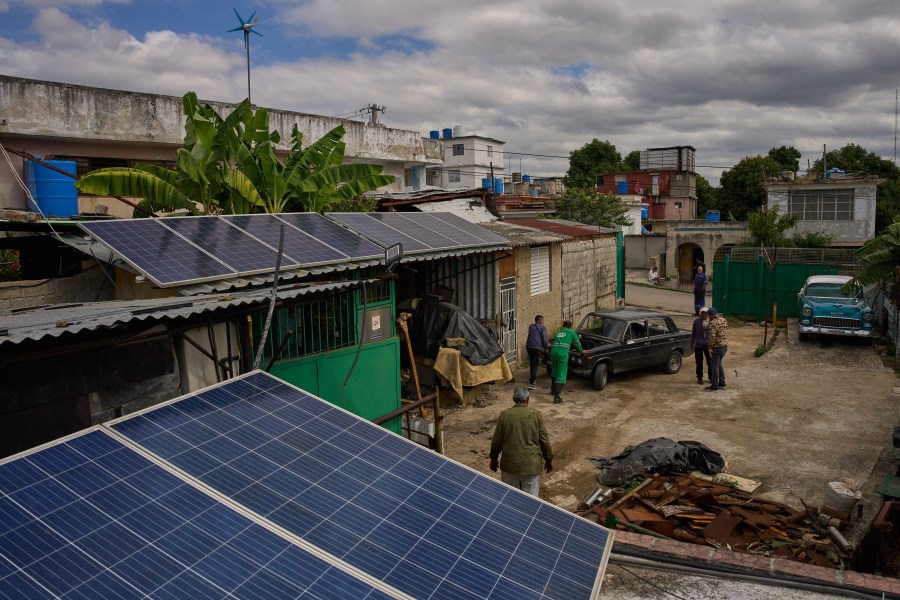
Cuban citizens are increasingly focusing on self-sufficiency as the United States intensifies economic sanctions against the island nation. This tightening of restrictions is seen as an effort to provoke a popular uprising against the communist government. The situation has escalated significantly, particularly following a critical reduction in oil shipments to Cuba, which has worsened the economic crisis already gripping the country.
The U.S. government has implemented measures aimed at restricting the flow of goods and resources into Cuba. According to the Cuban Ministry of Foreign Affairs, these sanctions have had a devastating impact on the daily lives of its citizens. Essential supplies, including food and medicine, have become increasingly scarce. Many Cubans are now forced to rely on local agriculture and informal markets to meet their basic needs.
In response to these challenges, numerous community initiatives have emerged across the island. Urban farming has gained popularity as individuals seek to grow their own food. Local cooperatives are forming, pooling resources and skills to bolster economic resilience. These grassroots efforts reflect a significant shift in attitudes among Cubans, who are adapting to their circumstances in innovative ways.
The tightening of U.S. sanctions has drawn criticism from various human rights organizations. According to a report by Human Rights Watch, the economic measures disproportionately affect the most vulnerable populations in Cuba, exacerbating poverty and limiting access to healthcare. The organization emphasizes that while the intention behind the sanctions may be political, the humanitarian consequences are deeply troubling.
As the economic situation deteriorates, many Cubans are expressing frustration with the government’s inability to address these challenges. In recent months, protests have erupted in various cities, with citizens demanding changes in leadership and economic reform. While the government has responded with increased security measures, the underlying dissatisfaction continues to grow.
The U.S. administration maintains that the sanctions are necessary to pressure the Cuban government to implement democratic reforms. However, critics argue that these policies are failing to achieve their intended goals and are instead harming ordinary citizens. The debate over the efficacy of sanctions versus direct engagement with the Cuban government remains contentious.
In the face of these challenges, the resilience of the Cuban people is evident. Many are determined to find ways to survive and thrive, despite the external pressures. The increasing movement toward self-sufficiency represents not just a response to immediate economic needs, but also a broader aspiration for autonomy and empowerment within the community.
Looking ahead, the future of Cuba remains uncertain. The interplay between U.S. foreign policy, internal governance, and the aspirations of the Cuban populace will continue to shape the island’s trajectory. As Cubans navigate this complex landscape, their efforts toward self-reliance may prove to be a key factor in shaping not only their survival but also their potential for change.