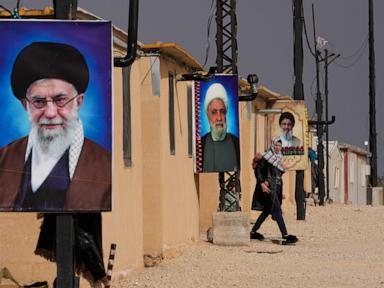
A compound in Lebanon housing hundreds of Syrian refugees has sparked controversy and allegations of loyalty to the regime of former President Bashar Assad. The Imam Ali Housing Compound, located in Hermel in northeastern Lebanon, has drawn scrutiny due to its connections to Shiite Muslim residents and the political sensitivities surrounding Syria’s ongoing transformation since the civil war.
The compound, consisting of 228 units, features posters of key figures associated with Assad and allied groups, including Iranian religious leaders and commanders from Lebanon’s militant Hezbollah. Many of the residents are Shiite Muslims, with a significant number of Lebanese having lived for generations in villages near the border with Syria. Allegations have emerged from various media outlets suggesting that these residents are conspiring against the new Sunni Islamist authorities in Syria.
These claims have prompted several operations by the Lebanese army, which found no illegal activities during their investigations. Ghada Ayoub, a member of the Lebanese Forces Party, expressed concerns about the compound’s construction without government oversight, questioning its implications in such a sensitive region. Her inquiries to the government regarding the matter have yet to receive a response.
In October, Mohammed Assoura, a 57-year-old Syrian citizen, moved into one of the units after enduring months of instability. He and his wife had previously sought refuge in a mosque and later rented an apartment for $150 a month. Assoura vehemently denies accusations of being a remnant of Assad’s regime, referring to himself as a victim of the conflict. His journey to Lebanon was fraught with danger, as he received warnings from relatives about potential reprisals against anyone perceived as supportive of Assad.
Since the onset of Syria’s civil war in 2011, over 5 million people have fled the country, with an estimated 1.5 million taking refuge in Lebanon. The mayor of Hermel, Ali Taha, explained that following the fall of Assad’s regime, approximately 50,000 people fled into the town, causing the population to double almost overnight. Many refugees initially sought shelter in mosques and schools, while others lived in makeshift accommodations.
The establishment of the Imam Ali Housing Compound was conceived as a solution for those unable to afford rent, highlighting the pressing need to provide more permanent shelter for the influx of refugees. The land is owned by the municipality, and funding for the housing units comes from Shiite religious entities in Iraq and Iran. Taha dismissed claims that the compound serves as a base for anti-government conspiracies, asserting that such allegations are politically motivated and counterproductive for the border region.
The United Nations refugee agency has stated that it has no presence in the compound and lacks information on the conditions there. Many residents, including Maha al-Abeer, a widow from the border town of Qusair, have expressed gratitude for the shelter the compound provides. Al-Abeer runs a grocery shop to support her four daughters, emphasizing that life in the compound is preferable to living in tents or crowded mosques.
As sectarian tensions simmer in the aftermath of the civil war, the fear of violence persists among minority communities. The interim President of Syria, Ahmad al-Sharaa, has pledged to hold accountable those responsible for sectarian violence, yet many remain apprehensive.
Refugees like Shayban Midlij, 73, and his wife, Ihasn, 70, who fled their home village across the border, live in the compound with their daughter and grandchildren. They recount their fears of retaliation from Sunni militants, which drove them to seek safety in Lebanon. Midlij described their previous living conditions in a Shiite mosque as unbearable and highlighted the dire need for stability in their lives.
As this compound continues to be a focal point of concern, it underscores the complexities surrounding the aftermath of the Syrian civil war and the ongoing challenges faced by refugees seeking safety and a sense of belonging in a volatile region.