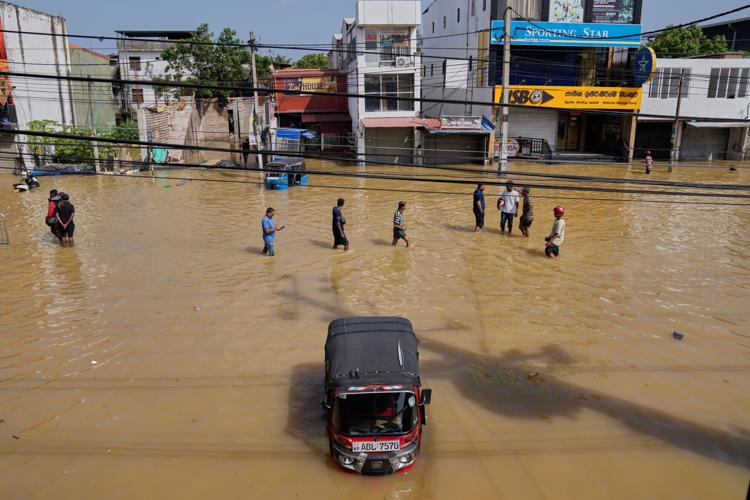
Climate change is significantly impacting Asia’s water and power systems, endangering millions and prompting nations to invest heavily in infrastructure improvements. Two recent reports reveal that Asia will require approximately $4 trillion for water and sanitation from 2025 to 2040, which translates to about $250 billion annually, according to the Asian Development Bank (ADB). The urgency is underscored by the increasing frequency of water-related disasters across the region.
Funding Shortfalls and Growing Risks
The reports highlight a troubling trend: while the demand for water and sanitation investment is soaring, current government spending meets only 40% of the estimated needs. This results in a staggering annual shortfall of over $150 billion. As countries grapple with these challenges, they face increasing pressure to safeguard essential power systems that millions rely on daily.
By 2050, extreme weather events could inflict annual damages and lost revenue exceeding $8.4 billion on listed power companies in the Asia-Pacific region, marking a significant rise from current figures. This alarming projection comes from research conducted by the Asia Investor Group on Climate Change and the MSCI Institute.
Recent events illustrate these risks vividly. In central Vietnam, Typhoon Kalmaegi struck the coastal city of Quy Nhon, resulting in snapped power lines and widespread flooding. As residents faced submerged streets, one local, Hai Duong, sought refuge in a mall to charge her phone, stating, “I can’t go back because my home is underwater. I just want to see if my relatives are safe.”
Water Security and Ecosystem Challenges
According to the ADB report, 2.7 billion people in the Asia-Pacific, around 60% of the population, currently have access to sufficient water for basic needs. Yet, over 4 billion remain exposed to unsafe water, degraded ecosystems, and increasing climate risks. Much of the progress since 2013 has been attributed to improved rural water access, with approximately 800 million additional people now benefiting from piped water.
Despite these advancements, the region faces a “triple threat” of environmental pressures, insufficient investment, and climate change, according to Vivek Raman, a principal urban development specialist at the ADB. He characterized the situation as a “tale of two realities,” with many ecosystems rapidly deteriorating due to unchecked development and pollution.
Asia is particularly vulnerable, accounting for 41% of global flooding. Coastal megacities and Pacific islands confront escalating threats from storm surges, rising sea levels, and salinization pushing inland. From 2013 to 2023, the region experienced 244 major floods, 104 droughts, and 101 severe storms, all of which have undermined development and caused extensive damage.
As governments scramble to address these challenges, Amit Prothi, director general of the Coalition for Disaster Resilient Infrastructure, emphasizes the dual nature of Asia’s rapid growth. He argues that the upcoming construction boom offers an opportunity to “rethink and build in a new way.”
Despite the need for substantial funding, utilities are often ill-prepared to adapt to climate impacts. Research indicates that while several companies are evaluating climate risks, most lack comprehensive, funded plans to address them. Anjali Viswamohanan, director of policy at the Asia Investor Group on Climate Change, notes that many companies are still in the early stages of assessing their vulnerability to climate change.
As Asia continues to grapple with climate challenges, the implications for water and energy security remain critical. The region’s economy, heavily reliant on coal and home to over 4 billion people needing reliable electricity, is at a crossroads. The reports serve as a stark reminder of the urgent need for coordinated action to safeguard the future of Asia’s water and power systems.