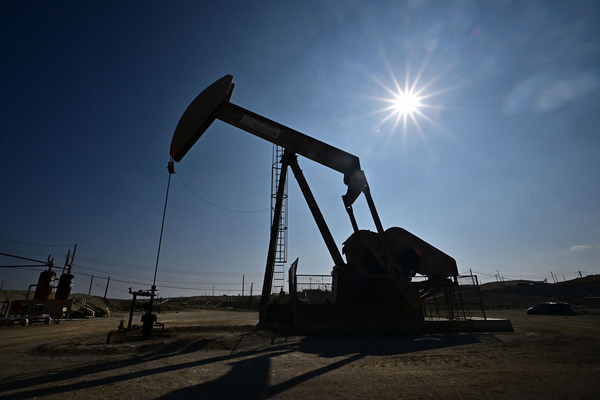
California regulators have taken decisive action to address concerns surrounding the state’s only oil pipeline, approving a significant rate increase for oil producers. On Thursday, the California Public Utilities Commission (CPUC) voted to implement a 59 percent hike, raising the transportation fee from $2.36 per barrel to $3.75 per barrel for the San Pablo Bay pipeline system. This emergency relief measure aims to bolster a crucial component of California’s oil infrastructure.
The decision comes amidst serious challenges facing the pipeline’s operations. According to Robert Waldron, the CEO of CorEnergy Infrastructure Trust, which oversees the Crimson California Pipeline, the company may consider shutting down the pipeline if business does not improve soon. The increased rates are intended to incentivize oil producers to resume shipments through the pipeline, which connects oil fields in Southern California to refineries in the Bay Area.
The CPUC emphasized the importance of this pipeline in its ruling, stating that it is a “critical part of California’s crude oil infrastructure.” Should the pipeline close, it would leave California’s oil system susceptible to significant disruptions. Producers may then be forced to explore alternative transportation methods, such as trucking, which could lead to higher costs and logistical challenges.
The context of this decision underscores a growing urgency within the industry. Oil producers ceased shipments through the pipeline in December 2023, prompting the CPUC’s intervention. This situation reflects broader concerns regarding the stability of California’s oil supply chain, particularly in light of increasing regulatory pressures and market volatility.
As the state’s energy landscape continues to evolve, the outcome of this rate hike will be closely monitored by industry stakeholders. The success of the San Pablo Bay pipeline is not only essential for the immediate economic health of the oil sector but also critical for ensuring a reliable supply of crude oil to the refineries that serve California’s energy needs.