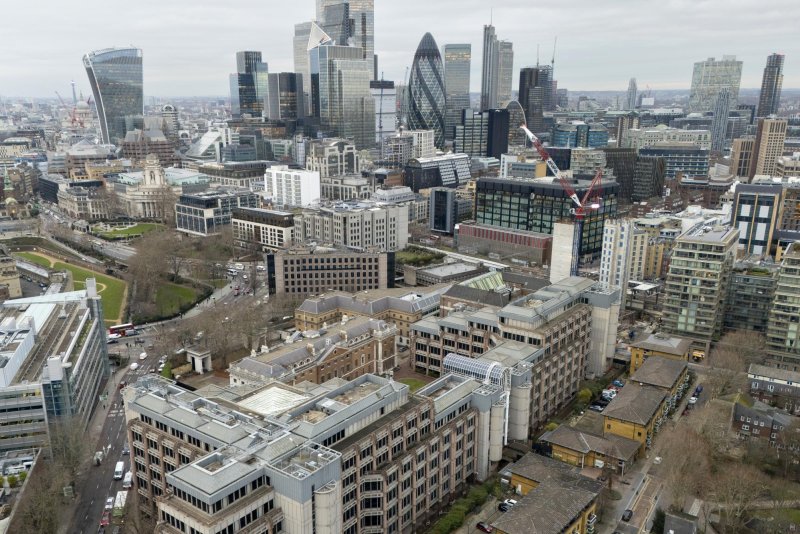
The British government has granted permission for a new Chinese embassy in central London, a project that spans 215,000 square feet and has been under consideration for seven years. The decision, made on January 20, 2024, has sparked significant controversy, with local residents pledging to pursue legal action to halt the development due to concerns about potential evictions and national security risks.
Communities Secretary Steve Reed announced the approval despite apprehensions regarding the embassy’s implications for Chinese dissidents in the UK. Security agencies had previously assessed the risks as manageable, allowing the project to proceed. Critics argue that the embassy, situated near the financial district and critical infrastructure, may become a focal point for espionage and surveillance operations targeting individuals facing political persecution in China.
The new facility will consolidate operations across seven sites in London, raising alarms among residents about the anticipated increase in protests and traffic disruptions. Activists have cited ongoing human rights violations in regions such as Hong Kong and Xinjiang as further justification for their opposition.
Reed defended the decision, stating that both the Home Office and Foreign Office had no security concerns about the embassy’s location. He emphasized that no national security bodies objected based on the proximity of essential underground infrastructure. Reed remarked, “No bodies with responsibility for national security… have raised concerns or objected to the proposal.”
A spokesperson for the government highlighted that the establishment of embassies is a standard aspect of international relations. However, the Royal Mint Court residents’ association has vowed to challenge the planning permission through a judicial review. Treasurer Mark Nygate stated, “The residents are determined to keep fighting today’s decision.”
Reed dismissed the likelihood of a successful legal challenge, asserting that ethical objections cannot be considered in planning decisions. He acknowledged, though, that a court ruling could potentially derail the project.
This approval comes ahead of a planned visit to Beijing by Prime Minister Keir Starmer, marking the first trip by a British leader since 2018. This visit follows a significant downturn in UK-China relations, spurred by China’s new national security law in Hong Kong.
The decision has drawn sharp criticism from the opposition, particularly the Conservative Party, which originally granted initial approval for the project in 2018. Shadow communities secretary James Cleverly described it as “a disgraceful act of cowardice” from the Labour government, arguing that national security should be the government’s top priority.
Shadow foreign secretary Priti Patel accused Starmer of compromising national security, asserting that the embassy could serve as a “colossal spy hub” in the heart of London. Reform UK echoed these sentiments, stating that the embassy’s proximity to sensitive communication cables poses a serious risk.
The new embassy, which will be China’s largest globally, will include living accommodations for 200 staff, office spaces, and extensive underground facilities. The site was purchased by the Chinese government for $339 million in 2018 and includes several protected buildings alongside a residential block.
As the situation develops, the implications of this project will be closely monitored, not only for its potential impact on local communities but also for its broader significance in UK-China relations.