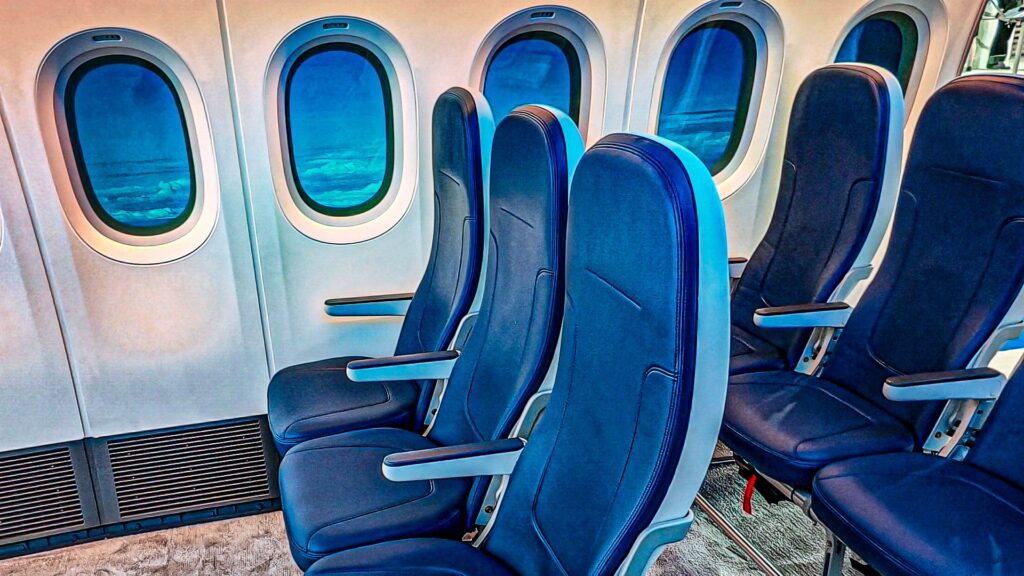
Boeing is set to revolutionize the passenger experience with its new 777X aircraft, featuring advanced dimmable windows. These windows allow travelers to adjust the tint electronically, enhancing comfort during long flights. This innovation builds on the success of the Boeing 787 Dreamliner, which first introduced this technology, aiming to meet the evolving needs of airlines and passengers alike.
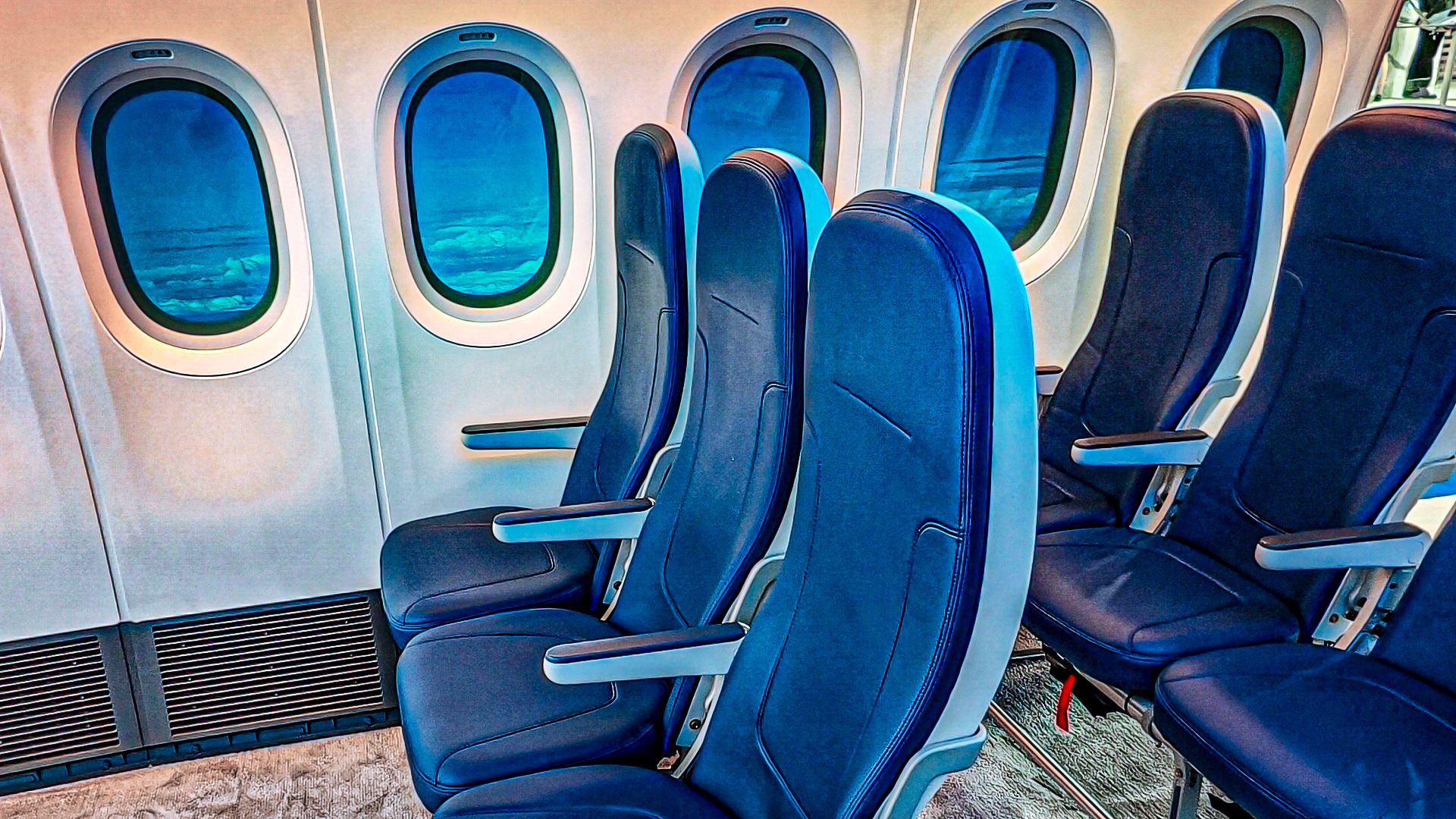
With the 777X, Boeing has partnered with Gentex to implement improved electronically dimmable windows (EDWs). These windows can eliminate more than 99.999% of visible light and transition rapidly, addressing past concerns about the effectiveness of earlier models. This feature is particularly valuable for long-haul flights, where cabin lighting plays a crucial role in managing passenger comfort during sleep and meal services.
Designing for the Modern Traveler
The design philosophy behind the 777X emphasizes passenger comfort and operational efficiency. Building upon the foundation laid by the 787, Boeing aims to create an environment that feels spacious and serene. The 777X cabin will be approximately 16 inches (40.6 centimeters) wider than its competitors, allowing for economy seats up to 18 inches (45.7 centimeters) wide.
Boeing is also focusing on improving cabin altitude, targeting a typical altitude of around 6,000 feet (1,830 meters) to enhance passenger comfort. This design is complemented by larger windows, which are more than 15% larger than those on previous models, ensuring that even passengers seated away from windows can enjoy natural light and views.
The 777X will also feature advanced LED lighting, enhanced humidity levels, and a quieter cabin environment, all designed to create a more enjoyable travel experience. By prioritizing these elements, Boeing aims to position the 777X as a premium offering in the competitive long-haul market.
The Impact of Dimmable Windows
The introduction of dimmable windows reflects a broader trend in aviation toward enhancing the passenger experience. This feature allows travelers to control glare while still enjoying an exterior view, reducing the sense of confinement often associated with traditional window shades.
Boeing’s decision to incorporate Gentex’s cutting-edge EDW technology is a strategic move to align with modern airline expectations. The centralized control system enables flight crews to manage cabin lighting more effectively without the need for manual adjustments, simplifying operations and reducing maintenance issues associated with mechanical shades.
Despite the potential benefits, passenger reactions to dimmable windows have been mixed. Some travelers appreciate the modern aesthetic and functionality, while others have raised concerns about the windows not darkening sufficiently during bright sunlight. Feedback has also indicated that the gradual transition can be slower than desired, prompting some airlines to adjust settings based on passenger preferences.
As the 777X prepares to enter service, these enhancements position it as a leader in the evolving landscape of commercial aviation. Boeing’s focus on passenger experience, operational efficiency, and modern design elements underscores its commitment to shaping the future of air travel.
The new aircraft faces challenges ahead, particularly regarding certification processes. Regulatory bodies have yet to indicate a timeline for approval, which may delay the entry of the 777X into the market. As Boeing continues to navigate these hurdles, its innovative features, including the dimmable windows, remain a focal point of its strategy for the coming decade.