This week, Australia implemented a controversial ban on social media platforms for users under the age of 16. The legislation, which affects popular sites such as Snapchat, TikTok, and Instagram, sparked immediate reactions from teenagers who quickly found ways to bypass the restrictions.
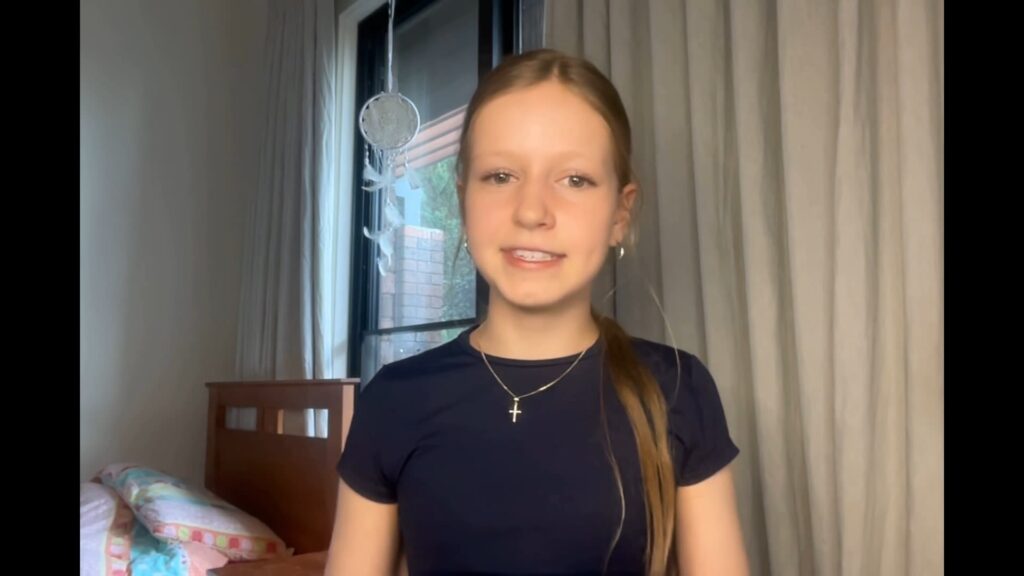
Within 24 hours of the ban’s introduction on March 15, 2023, many young users, including 14-year-old cheerleader Lucy Brooks, reported that they regained access to these platforms. Some teens created new accounts using the identities of parents or older friends to evade age verification technologies. Lucy mentioned, “A lot of the time it was with the parents’ knowledge, but people are also using AI-generated pictures… to get past it as well.”
Despite the government’s intention to protect minors from online dangers, critics of the ban highlight its ineffectiveness. According to age verification companies, while their technology can assess user age, it does not guarantee that underage users cannot access banned sites.
Government Celebrates Ban with Public Support
To mark the ban’s rollout, Prime Minister Anthony Albanese hosted a barbecue at his Sydney residence, inviting parents of children who have died by suicide due to cyberbullying, along with advocates for online safety. The Sydney Harbour Bridge was illuminated in green and gold, celebrating the legislation with the slogan “Let Them Be Kids.”
However, conversations with teenagers reveal their easy navigation around the restrictions. A group of 15-year-old boys shared their tactics, with one claiming he registered with a birthdate from the year 2000. Another expressed that losing TikTok would not be a significant issue, but he valued Snapchat for its messaging capabilities without needing phone numbers. “Getting actual phone numbers is annoying,” he remarked.
For some teens, social media serves as their primary source of news. One boy admitted to rarely engaging with traditional media, relying instead on Instagram.
Criticism and Opposition to the Ban
The ban has faced criticism from various quarters, including young entrepreneurs like Leo Puglisi, an 18-year-old founder of the online news channel 6 News. He contends that the ban will not achieve its intended goals. “I know that it doesn’t stop young people going on social media,” he stated, noting that his under-16 brother remains active on various platforms.
Similarly, 16-year-old entrepreneur Lucas Lane is concerned about the impact of the ban on younger users who look to him for guidance. He started his business, Glossy Boys, at age 13 and relies on platforms such as Instagram, Facebook, and TikTok to reach his audience. “This social media ban is going to very much impact my business,” he emphasized, advocating for education and protective measures rather than outright bans.
Legal challenges against the ban have already emerged, including one from the popular online forum Reddit, which argues that the restrictions pose serious privacy and political expression issues. Reddit has stated it is complying with the law while contesting its implications.
The ban has led some teenagers to explore lesser-known applications as alternatives. Platforms like Yope and Coverstar, which promote safety features, have gained traction among users seeking to circumvent restrictions.
One aspiring singer, 15-year-old Shar, expressed relief that her accounts on various platforms remained active despite the ban. “I genuinely do not know a person who has had [their account] shut down, my age,” she said, indicating a discrepancy between the law’s intent and its actual enforcement.
For Lucy and her friends, the uncertainty surrounding their social media usage is causing anxiety. Many had exchanged phone numbers prior to the ban, but so far, they have not needed to resort to those backups. Lucy, who is particularly invested in her social media presence due to her cheerleading activities, believes that while there is a need to address harmful content online, a ban may not be the most effective solution.
“I actually want it to work,” she noted, “but I don’t think it will work.” Instead, she suggested implementing time limits on usage to balance safety and accessibility.
As Australia navigates this complex issue, the effectiveness of the ban remains to be seen, with teenagers finding creative solutions to maintain their online presence despite regulatory efforts.