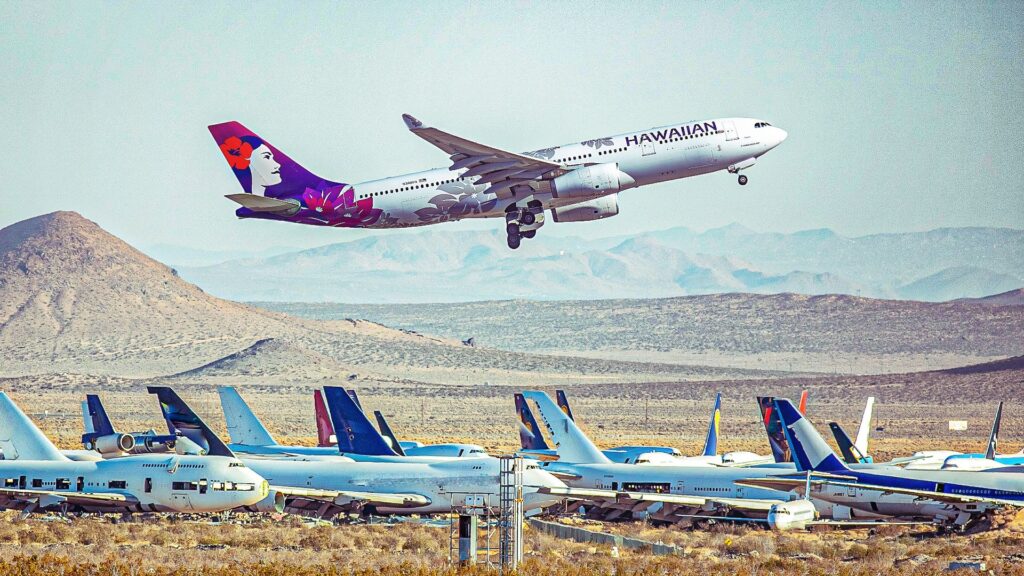
In 2024, Hawaiian Airlines completed its merger with Alaska Airlines, creating a significant player in the aviation industry that serves the US West Coast and the Pacific. While both airlines continue to operate as distinct brands, they now share leadership and strategic decision-making. This has raised questions about the future of Hawaiian Airlines’ fleet of Airbus A330-200s, which has been central to its long-haul operations.
The merger allows both airlines to consolidate resources, optimize route networks, and potentially streamline their fleets. The A330-200, with its capacity for long-haul flights, has been a foundational element of Hawaiian Airlines’ service model. Given the evolving landscape of air travel and the operational efficiencies sought through the merger, the fate of this aircraft model is under scrutiny.
Hawaiian Airlines has relied heavily on the A330-200 for international routes, particularly to destinations in Asia and the South Pacific. As the airlines integrate their operations, they may reevaluate the efficiency of maintaining two separate fleets. The decision to phase out or retain the Airbus A330-200s could hinge on various factors, including customer demand, operational costs, and the introduction of newer aircraft models.
Strategic Decisions Ahead
The leadership teams of both airlines are now tasked with aligning their strategies to maximize profitability. Analysts indicate that the integration process will involve assessing the performance of the A330-200 within the broader context of Hawaiian Airlines’ operational needs. The carrier might consider replacing older aircraft with newer, more fuel-efficient models that align with current market demands.
Fleet planning is a complex process influenced by numerous variables, including environmental regulations, passenger preferences, and competitive pressures. With the growing emphasis on sustainability, the transition to a more efficient fleet could accelerate. This may lead to a reevaluation of the Airbus A330-200’s role in Hawaiian Airlines’ long-term strategy.
While discussions about the future of the A330-200 are ongoing, both airlines have expressed commitment to providing reliable service despite potential fleet changes. Hawaiian Airlines has stated that it values its heritage and the unique services it offers to its customers, which include direct flights to various international locations.
The integration of Hawaiian Airlines into the Alaska Airlines framework means that strategic decisions will likely reflect a balance between maintaining brand identity and achieving operational efficiency. As both airlines explore synergies, the ultimate fate of the A330-200 fleet will likely depend on how well the newly merged entity adapts to market conditions.
Looking Forward
As the aviation landscape continues to evolve post-merger, industry watchers will be attentive to any announcements regarding fleet changes. The decision on whether to retire the Airbus A330-200s may not only impact Hawaiian Airlines’ operational strategy but could also resonate throughout the competitive landscape of trans-Pacific air travel.
Both Alaska Airlines and Hawaiian Airlines have the opportunity to redefine their positions in the market, and the outcomes of these fleet discussions will be critical in shaping their future. Stakeholders, including employees and customers, will be keen to see how these changes unfold, with potential implications for service routes and overall airline performance.
In summary, while the immediate future of the Airbus A330-200 in Hawaiian Airlines’ fleet remains uncertain, the merger with Alaska Airlines presents both challenges and opportunities. As the two airlines navigate this new chapter, their strategic decisions will be pivotal in determining their success in an increasingly competitive industry.