The evolution of aircraft engines has been significant since the introduction of the De Havilland Comet, the world’s first jet-powered airliner. While the Comet paved the way for jet travel, it was the release of the Boeing 707 and the Douglas DC-8 in the late 1950s that truly marked the beginning of the Jet Age. These models were not only larger but also more capable and technologically advanced, setting a new standard for commercial aviation.
The Boeing 707 and Douglas DC-8 together sold over 1,500 units, solidifying their status as the preferred aircraft for airlines around the globe. The production figures reveal a remarkable shift in aviation technology; with over 1,000 units of the 707 sold, including the shorter 720 variant, and more than 500 DC-8s manufactured, these aircraft transformed air travel and established jet engines as the dominant propulsion method for large aircraft.
Advancements in Engine Technology
The advancements in engine technology since the 1950s have been profound. Early jet engines utilized turbojet designs, which were less fuel-efficient and noisier than their modern counterparts. Today, the industry primarily employs turbofan engines, which deliver greater efficiency and reduced noise levels, making air travel more economical and environmentally friendly.
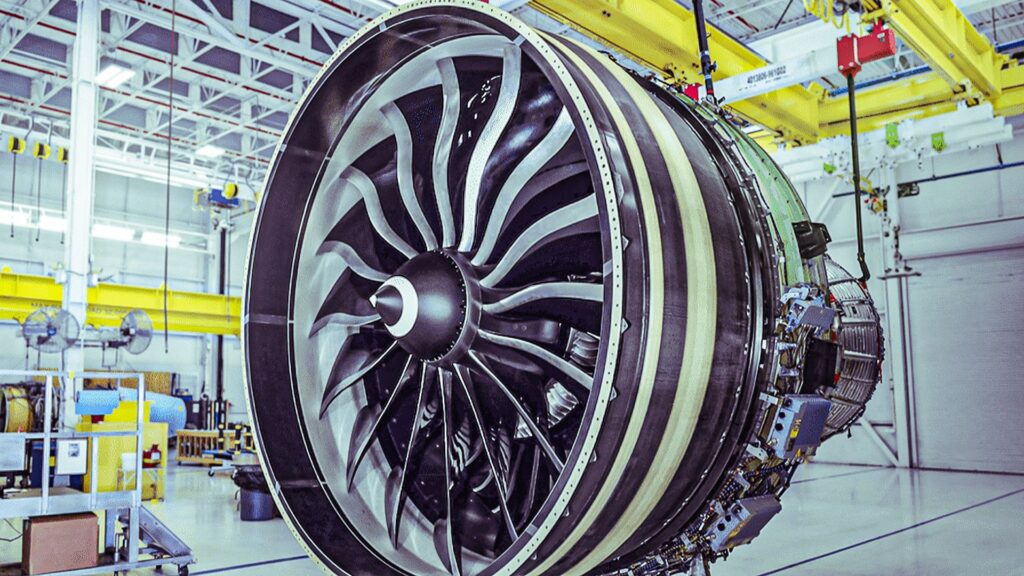
Current models, such as the Boeing 787 Dreamliner and the Airbus A350, feature engines that are significantly larger and more powerful than those of the original jets. For instance, the engines on these new aircraft are often capable of generating thrust exceeding 70,000 pounds, dwarfing the capabilities of early jet engines that offered a mere 15,000 pounds of thrust.
The demand for larger engines is driven by several factors, including the need for greater fuel efficiency and the ability to carry more passengers and cargo over longer distances. As airlines seek to optimize operational costs, the shift to larger and more efficient engines continues to shape the aviation landscape.
The Future of Aircraft Engines
Looking ahead, innovations in engine technology are expected to focus on sustainability. Manufacturers are investing in research and development to create engines that utilize alternative fuels and reduce carbon emissions. This shift is crucial as the aviation industry faces increasing pressure to address its environmental impact.
The introduction of new materials and manufacturing techniques, such as 3D printing, also promises to revolutionize engine production. These advancements could lead to lighter and more efficient engines, further enhancing aircraft performance.
As the aviation sector evolves, the legacy of the De Havilland Comet and its successors is evident. The significant growth in aircraft engine size and capability since the Jet Age not only reflects technological progress but also highlights the industry’s ongoing commitment to innovation and sustainability. The future of air travel hinges on these advancements, ensuring that flying remains safe, efficient, and accessible for generations to come.