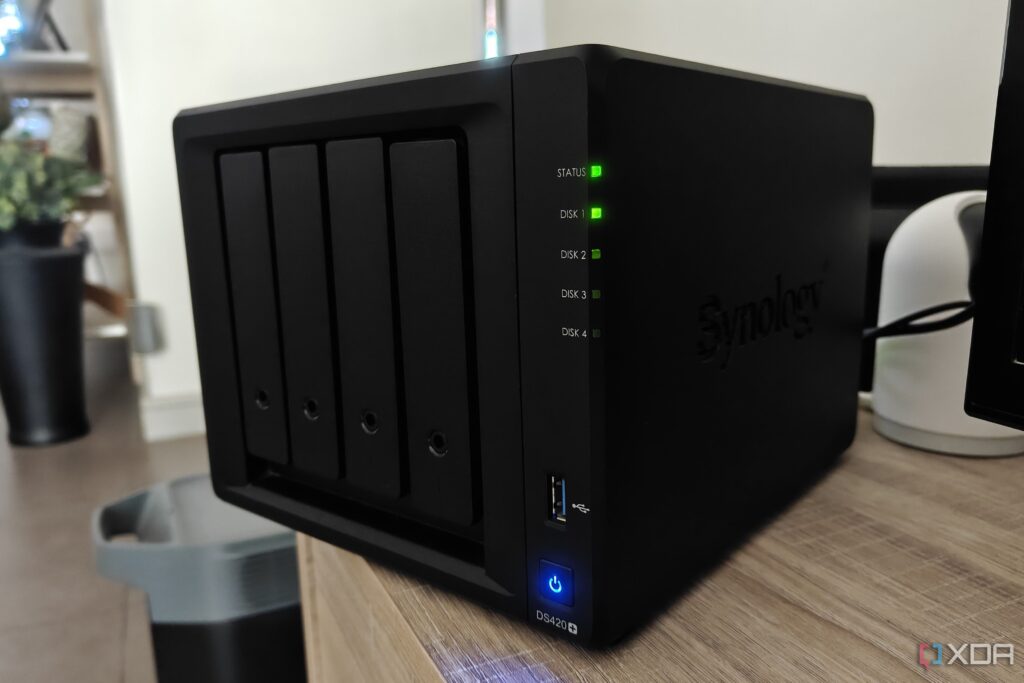
URGENT UPDATE: Self-hosting enthusiasts are discovering how to maximize performance on devices with just 2GB RAM. Recent experiments reveal that a variety of containers can run reliably on underpowered NAS systems, even amidst increasing demands for home automation and task management.
As tech-savvy users transition services from traditional computers to NAS systems, the limitations of 2GB RAM become evident. However, innovative solutions have emerged, allowing users to maintain efficiency without costly hardware upgrades.
Home Assistant leads this charge, enabling users to automate their homes with minimal resource use. By running Home Assistant in a container rather than using the full Home Assistant Operating System (HAOS), users can significantly reduce memory requirements. Although this approach limits access to some add-ons, it retains essential functionalities, allowing users to automate tasks and integrate smart devices seamlessly.
Another breakthrough is the use of Cloudflared. This lightweight container allows for secure connections to self-hosted services using a Cloudflare Tunnel. Users report no stability issues since deploying the Cloudflared daemon months ago, highlighting its effectiveness for managing subdomains without taxing NAS resources.
The task management app Jotty Page has also gained traction among users. Formerly known as RwMarkable, Jotty Page offers a sleek interface for creating checklists and notes. Users can access it via a progressive web app on their mobile devices thanks to the secure Cloudflare connection. Reports confirm that it operates smoothly without crashes, making it ideal for those on the go.
Another essential app is Donetick, which tracks and auto-schedules tasks based on completion dates. Users have praised its performance on NAS systems, although some have noted occasional logout issues. Still, the app’s lightweight nature makes it another excellent choice for those with limited RAM.
While many users report success with these containers, it’s essential to recognize the limitations of 2GB RAM systems. Some applications, particularly those involving machine learning, like Immich and Paperless-ngx, have proven unstable due to high resource demands. Users have experienced crashes during intensive tasks, underscoring the need for careful selection of services based on hardware capabilities.
These findings emphasize that self-hosting doesn’t always require powerful hardware. Many users find success with lightweight, focused applications that meet their specific needs without the burden of heavy resource consumption.
As the self-hosting community continues to explore viable options for underpowered devices, it becomes increasingly clear that innovative solutions can lead to efficient setups. Users are encouraged to share their experiences and recommendations as the landscape of self-hosting evolves.
Stay tuned for more updates as the self-hosting revolution unfolds!