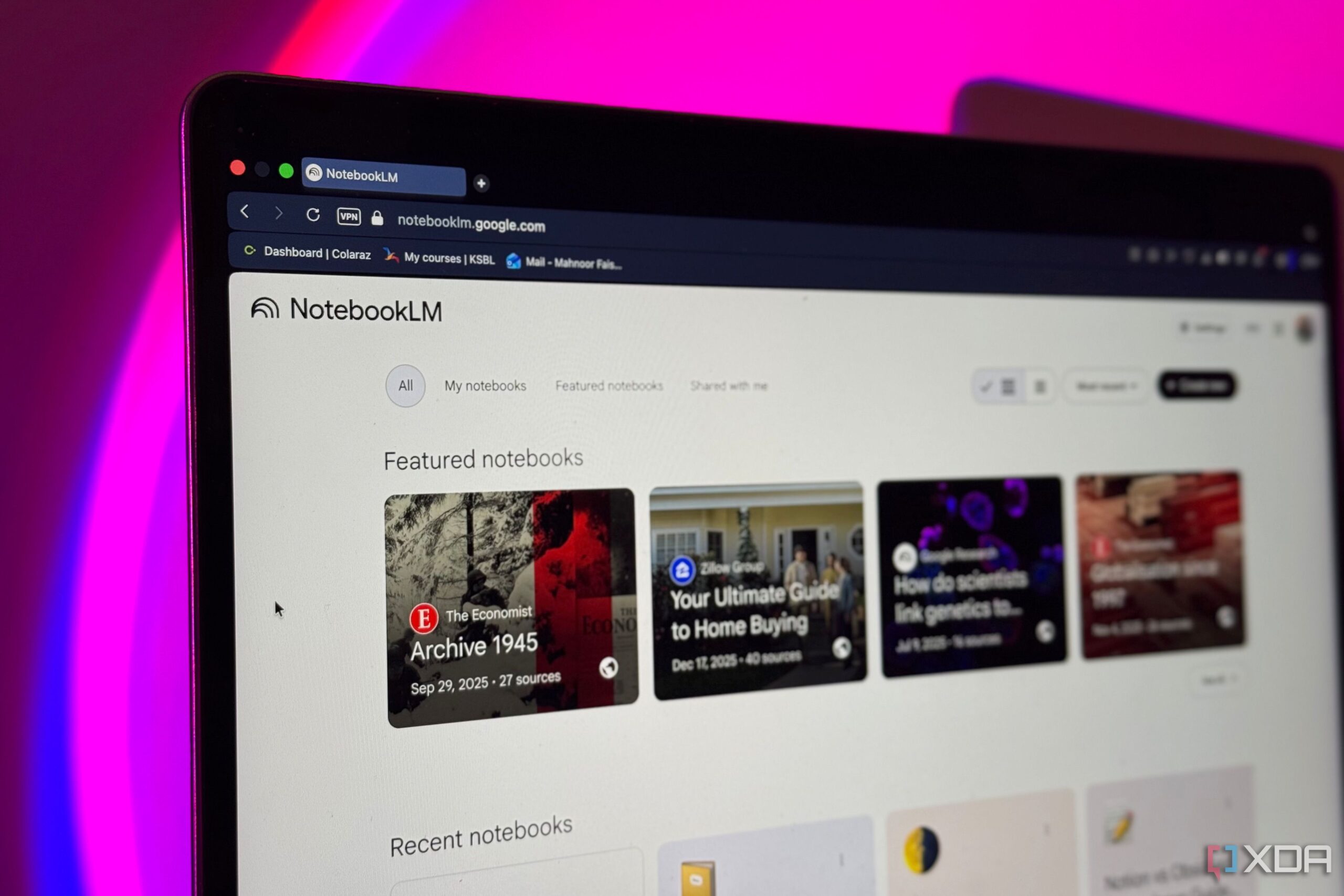
URGENT UPDATE: A revolutionary shift in how users retain information just emerged with the launch of NotebookLM, Google’s latest AI-powered research assistant. Users are reporting that this tool is transforming their reading habits, ensuring they remember what they read like never before.
As of October 15, 2023, individuals struggling with forgetfulness are replacing traditional read-it-later apps with NotebookLM. The tool not only stores articles but engages users in an interactive reading experience that enhances memory retention. This development is crucial for anyone looking to improve their understanding of complex topics quickly.
NotebookLM allows users to upload content directly through webpage URLs, turning passive reading into an engaging conversation. By asking real-time questions while reading, users can clarify concepts, summarize dense sections, and pull key arguments directly from the text. This method of interaction is reshaping the way readers comprehend and remember information.
For many, the struggle with forgetfulness has been a lifelong challenge. One user shared their experience, noting, “I’ve always had to rewatch shows like Stranger Things multiple times because I forget the plot. NotebookLM changes the game by making reading feel like a dialogue, which helps me retain information better.”
Once a piece of content is read, it doesn’t just disappear. Users are encouraged to transfer it to an “archive” notebook where they can engage further by connecting new information with what they’ve previously learned. This step is vital for reinforcing knowledge and ensuring that new insights interact with established understanding.
Additionally, the integration of Chrome extensions simplifies the process of adding articles to notebooks. With just a few clicks, users can save resources without interrupting their workflow, boosting the likelihood of consistent use. This seamless functionality is key to maximizing the benefits of NotebookLM.
Experts in cognitive science emphasize the importance of interactive learning. “Asking questions during the reading process not only enhances understanding but also aids in long-term retention,” notes Dr. Emily Carter, a cognitive psychologist. This aligns with the experiences shared by NotebookLM users, who find that engaging with the material actively leads to better memory outcomes.
With the ongoing development of AI technology, NotebookLM’s innovative approach is expected to gain traction among students, professionals, and avid readers alike. The urgency to adapt to such tools is heightened in today’s fast-paced world, where information overload can leave many feeling overwhelmed.
As more users adopt this system, the potential for improved memory retention could revolutionize educational strategies and personal learning methods. The question remains: will traditional read-it-later apps become obsolete as NotebookLM continues to gain popularity?
Stay tuned for more updates on this exciting development that promises to enhance the way we read and remember.