UPDATE: January 3rd has become a significant date in history, marked by both groundbreaking discoveries and tragic violence. Key events include the unveiling of Pharaoh Tutankhamun’s sarcophagus by Howard Carter in 1924 and the devastating bombings in Kerman, Iran, which killed over 90 people just last year.
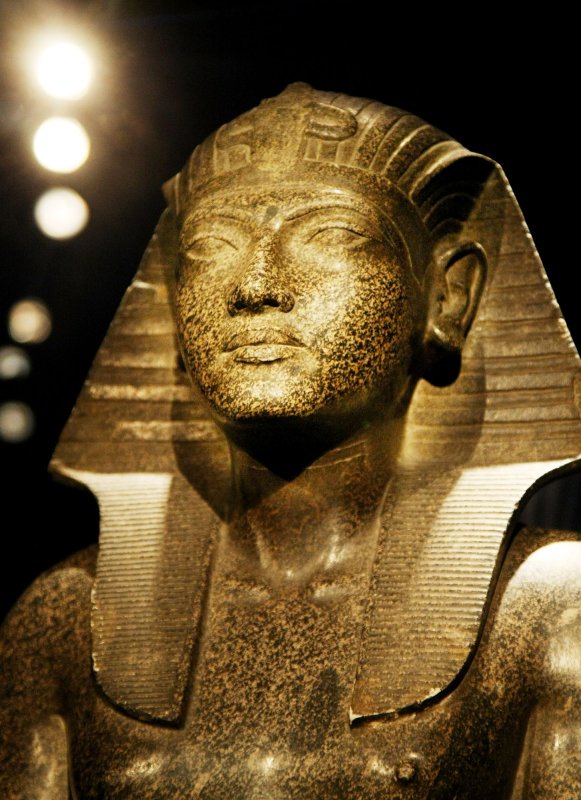
On this day in 1924, Howard Carter and his team unearthed the stone sarcophagus of the young pharaoh in Egypt, revealing a treasure trove that Carter famously stated contained “almost every square yard of floor space [with] a king’s ransom.” The discovery has captivated historians and archaeologists alike, highlighting the enduring allure of Ancient Egypt.
Fast forward to 2024, and the day also carries a dark memory. Two bombs exploded during a ceremony in Kerman, Iran, commemorating the assassination of Iranian General Qassem Soleimani. The Islamic State claimed responsibility for the attack, which left over 90 dead and many more injured, underscoring ongoing tensions in the region.
In addition to these historical markers, January 3rd has been pivotal in American history. In 1777, General George Washington led the Continental Army to a decisive victory over British forces at Princeton, New Jersey. This battle was critical in boosting morale during the Revolutionary War.
The day also marks other notable milestones: In 1938, President Franklin D. Roosevelt established the March of Dimes, originally aimed at combating polio, which has since evolved to support health initiatives for mothers and children. Meanwhile, the year 1989 saw a portrait of Washington from the Battle of Princeton, painted by Charles Wilson Peale, returned to the State Department.
A tragic chapter unfolded in 2015 when the militant group Boko Haram launched a brutal five-day assault on the northeastern Nigerian town of Baga, resulting in local reports of up to 2,000 fatalities. This attack remains one of the bloodiest instances of violence attributed to the group.
As we reflect on these pivotal events from the past, the implications resonate today, reminding us of the complex tapestry of history that shapes our present. The ongoing reverberations of past actions, whether in the realm of archaeology or conflict, continue to affect lives globally.
Looking ahead, observers will watch for further developments regarding the memorialization efforts in Kerman and any potential repercussions stemming from the violence attributed to the Islamic State. Additionally, the legacy of the discoveries made by Carter continues to inspire archaeological endeavors worldwide.
Stay tuned for more updates on these significant historical anniversaries as they unfold and impact our current understanding of history and its effects on today’s world.